When Princess Marina of Greece stepped into the glittering ballroom at her first major state reception in 1934, it wasn't the soft music from the orchestra or the genteel clinking of glasses that filled the air. Instead, there was an unprecedented silence, a pause in history if you will. The reason? A breathtaking vision in the form of a deep sapphire silk gown that seemed to pull the very essence of elegance from the stars themselves. Clad in this masterpiece, designed to both dazzle and dignify, Princess Marina made her entrance as the new Duchess of Kent—captivating all in an enchanting show of royal splendour.
A Resplendent Arrival
The year was 1934, a time when the world was still recovering from the echoes of the Great Depression, and Europe was a continent in flux. Yet, amidst this backdrop, within the exquisite halls of Buckingham Palace, anticipation swirled around the impending arrival of Princess Marina. She was a royal already steeped in allure, a descendant of the Greek and Danish royal families, and now, through her marriage to Prince George, the Duke of Kent, she was enmeshed within the tapestry of British royalty.
Princess Marina’s entrance was more than just a matter of ceremony—it was a declaration. Her gown, crafted from the deepest blue silk that shimmered with every step she took, was trimmed delicately with silver embroidery at the bodice. It captivated the onlookers, evoking the tranquil twilight skies over Athens, a nod to her heritage. The sapphire hue was carefully chosen not only for its aesthetic appeal but for its symbolic resonance, representing dignity, tranquillity, and regal authority.
The Gown That Stilled a Room
The sapphire gown was not merely an expression of opulence; it was a creation that spoke of the period’s fashion influences while elevating Marina as a style icon. Designed by the famed British couturier, the garment was the epitome of the 1930s elegance—an era where simplicity and sophistication were the hallmarks of high fashion. While its silhouette hugged her figure modestly, it was the whisper of silver trimming the neckline that accentuated Marina's grace and presence, echoing the shimmer of her diamond tiara.
The tiara deserves mention as well—an heirloom that had graced the head of her grandmother. Its history traced back to a lineage rich with royal tradition and was a fitting complement to her attire. Adorning her coiffed dark locks, it sparkled with stories of a past world, linking eras with its myriad of luminescent diamonds.
Accolades from Fashion Pundits
As the evening progressed, hushed conversations resumed—albeit now tinged with admiration and awe. Fashion editors from across Europe hailed her as the most elegant royal Europe had ever seen. Her sartorial choices were not only on the pulse of contemporary fashion but were also seen as redefining the role of style within the royal court itself. Where once the concept of royal fashion lay in tradition and formality, Princess Marina demonstrated a blend of innovation with respect to those customs, setting a standard for those who would follow in her footsteps.
Her influence began to subtly shift public perceptions and expectations of royal attire. She possessed a unique ability to dress with a profound connection to her own cultural legacy, while simultaneously embracing the sensibilities of her adopted country. This balancing act was a cornerstone of her charm and contributed significantly to her popularity and respect.
A Royal With a Human Touch
Beyond the finery and the splendor, Princess Marina's true allure lay in her personal grace and warmth. Her entry into the British royal family came with challenges, not least of which was navigating the complex cultural landscapes of her new home whilst maintaining her identity. Yet, it was moments such as the state reception in 1934 that showcased her effortless adaptation without losing her individuality—merging her past with her present.
Known for her philanthropic efforts and compassionate nature, Marina endeared herself to the public. She devoted much of her life to service, supporting numerous charitable causes and engaging with communities across her new homeland. Like her gown, her legacy is woven into the history of the monarchy—a testament to her impact and enduring influence.
The Lens of Then and Now
Reflecting on Princess Marina's entrance into that silent ballroom is to gaze into a window of history—a time when fashion served as both cultural commentary and personal narrative. It reminds us of the power of dress as a medium to convey identity, diplomacy, and elegance. Her story shall forever resonate in the chronicles of the British monarchy, demonstrating how style can bridge divides and bring forth a sense of regal unity.
Today, the legacy of the British monarchy continues to evolve, with contemporary royals taking cues from icons of the past and blending them with modern sensibilities. As fashion remains a potent tool within these royal circles, the lessons from Princess Marina's debut are as relevant now as they were then: The right garment at the right moment can transform more than appearances—it can shape history itself, leaving whispers of silenced awe cascading through the decades.
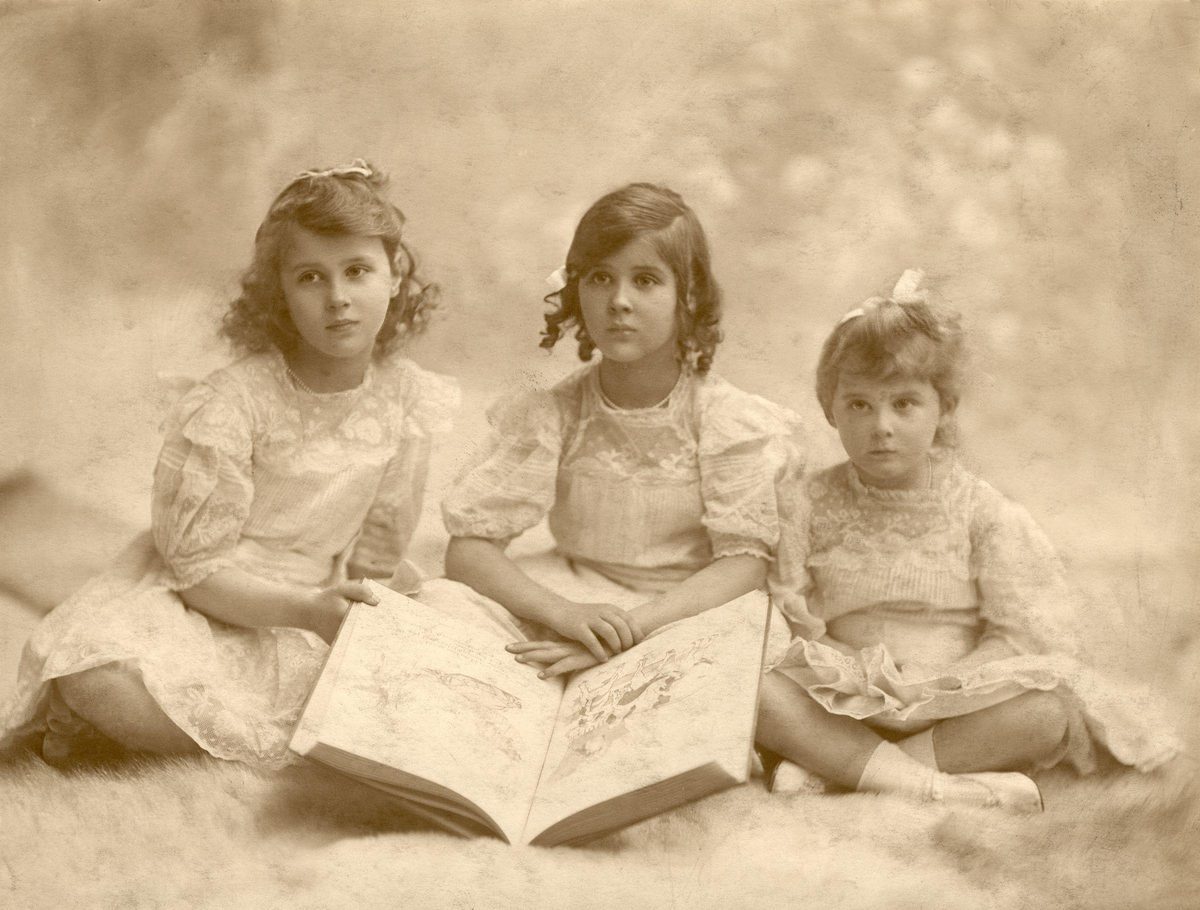
📷 Photo: Lallie Charles. Public domain via Wikimedia Commons.