The Stranger’s Letter King George V Kept in His Pocket
At the height of Britain's Great Depression, a reign filled with tradition and stoic service was punctuated by a moment of profound human connection—a connection that transcended the opulent architecture of Buckingham Palace and reached deep into the impoverished corners of northern England. It began, as such stories often do, with a letter. Penned by a factory worker, this letter did not follow the formal chains of petitioned requests or grievances. Rather, it was an earnest portrayal of life's struggles, penned with the unmistakable weight of desperation and humility. Though the factory worker surely anticipated nothing more than expressing his plight, his earnest words were destined for an unexpected and extraordinary recipient—King George V. The monarch, known for his steely composure and impeccably trimmed beard, did something unprecedented with that letter: he kept it in the breast pocket of his coat for months, a quiet talisman of empathy in a time when the world seemed bereft of such luxuries.
A King at the Helm During Troubled Times
To truly appreciate the significance of this act, one must first understand the nature of the man who performed it. King George V ascended the throne in 1910, navigating his reign through turbulent waters. The Great War had torn at the fabric of Europe, and now the Great Depression laid incredible economic strain upon nations. As unemployment soared to unprecedented heights, the British monarchy stood as a lighthouse amid the storm—constant and unwavering. Yet, it was also a time that asked difficult questions of even the most revered institutions.
George V, with his deep voice and undeniable authority, was tasked not only with upholding tradition but also connecting with a populace increasingly detached from their once unifying symbols. It was this commitment to service, so deeply ingrained in the ethos of the monarchy, that made his actions with the factory worker’s letter so compelling. While he carried the ceremonial duties of his position with dedication, this personal acknowledgment of a common man's plight highlighted a sincere, albeit often unseen, compassion.
Empathy Bound in Royal Cloth
It was early in 1932 when the letter reached the ornate halls of Buckingham Palace. Written with a simple sincerity, it detailed the worker's daily struggles—his fears of an uncertain future, his concerns for his family, and the toll of relentless economic hardship. Despite the tacit rules that often kept the royal family at a regal distance from their subjects, the letter compelled George V to bridge that gap.
He was known to engage with his people during his visits across the Commonwealth, bringing genuine interest to the stories of those he met. However, the intimacy afforded by the written word allowed the King to glimpse the heart-wrenching realities faced by his subjects. The empathy he felt for this single worker’s plight was profound enough to prompt a rare outward expression. Though no official royal reply was recorded, the silent gesture of keeping the letter close spoke volumes. George V, a monarch molded by decorum and duty, found quiet grace and solace in carrying the letter with him—a constant reminder of why he served.
A Palace of Distinction, an Act of Humility
Even within the majestic walls of the Palace, where tradition felt timeless and unyielding, the letter became part of a narrative of change and responsibility. The court at Buckingham was a place where grandeur and protocol reigned. Valets, footmen, and maids glided through the corridors, silently attending to the needs of their sovereign. It was one such valet who discovered the letter, worn soft at the folds, inside George V’s coat pocket. This act of humility certainly resonated within the hearts of those who served as well.
For the King to carry such a letter was to bear more than parchment; he carried a piece of humanity's universal longing for recognition and care. In doing so, he underscored the enduring truth that irrespective of one's station, the thoughts and feelings of every individual hold worth. It was a simple yet profound act that quietly inspired those closest to him and reaffirmed the values the monarchy endeavored to uphold—duty, compassion, and service.
A Legacy of Connection
The story of George V and the stranger's letter serves as a poignant reminder of the monarchy’s unique role in British society—a bridge connecting the grandeur of history with the honest fabric of its people. The King’s decision to keep that letter close, through months of wear and witness, remains emblematic of a singular dignity found beneath the gilded trappings of royalty. Here was a King who listened. Here was a King who cared.
In today's world, where monarchies must continuously evolve to retain their relevance in the eyes of the public, such stories resonate more than ever. They remind us that the crown, with all its ceremonial splendor, also carries the weight of the individual's voice—the stories of its people etched into its legacy.
Though the Great Depression has long since passed, leaving its mark upon history and humanity, the principles of empathy and connection endure. They are the timeless values that continue to inspire the royal family’s work with charities, their engagement in public dialogues, and their steadfast commitment to service. King George V’s simple act of carrying a worn letter in his breast pocket serves as a timeless moral compass. When today's royals turn towards those moments in history, they can find inspiration in a story told by a stranger, heard by a king.
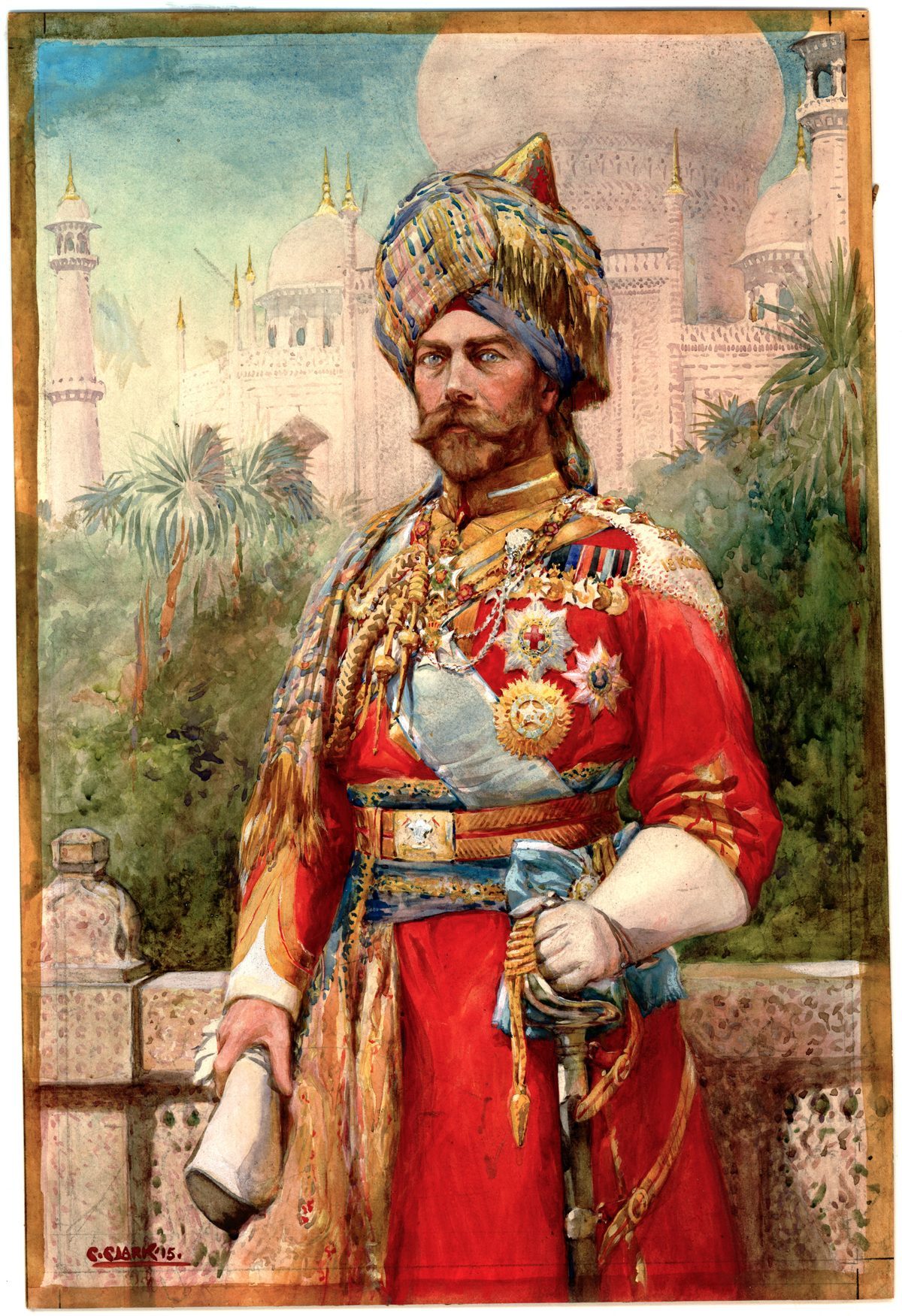
📷 Photo: Christopher Clark (1875 - 1942). Public domain via Wikimedia Commons.