Every royal walkabout in the 1980s followed an unspoken code — stand tall, smile warmly, keep the line moving. Princess Diana had a different instinct entirely. She saw a child in a wheelchair and the protocol dissolved. What she did next became the defining image of a new kind of royalty. With a sincerity that transcended the ceremonial and a compassion that spoke directly to the human heart, Diana did more than bend the rules; she reshaped them, leaving an indelible mark on the monarchy and on the world.
The Evolution of Royal Walkabouts
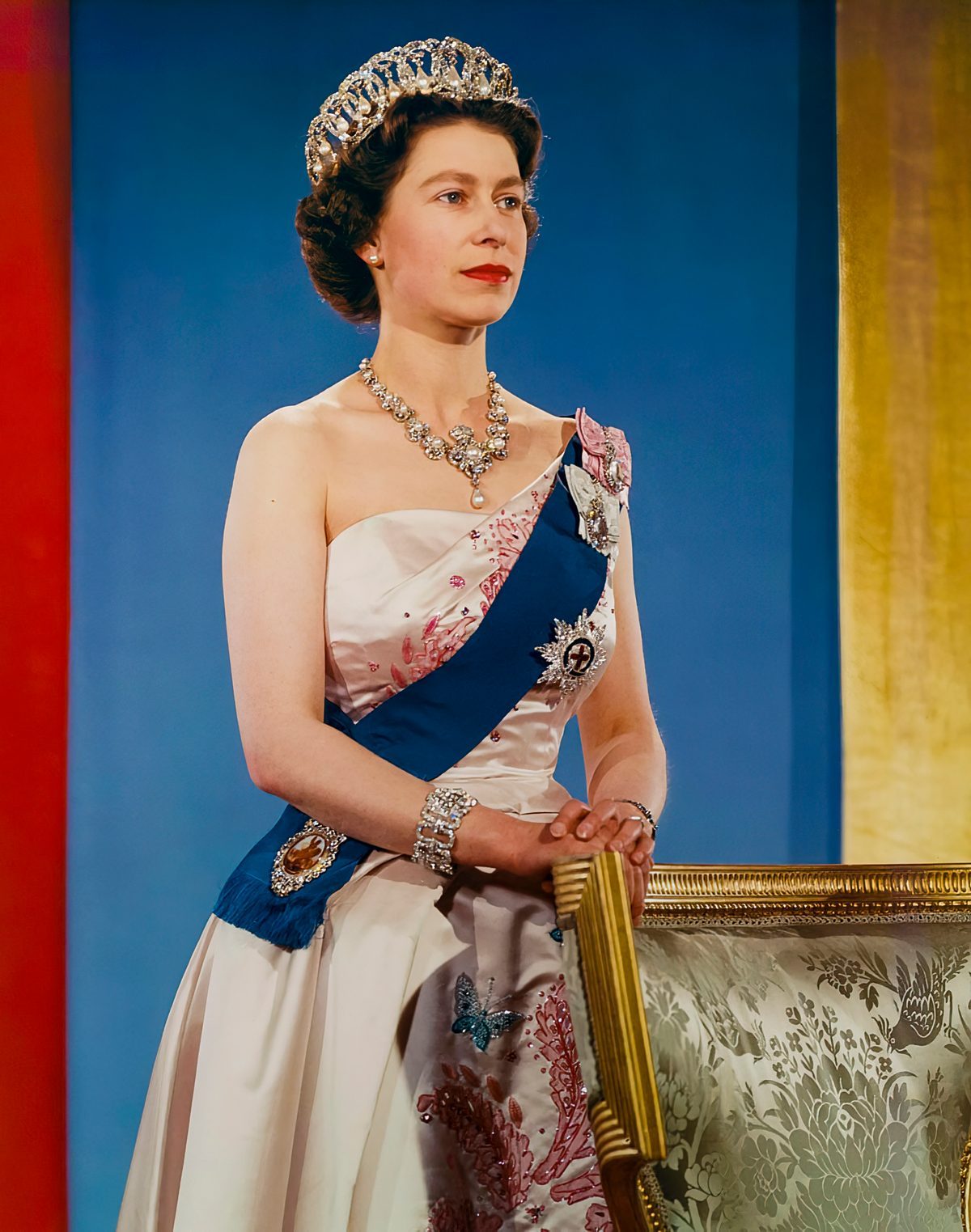
The concept of royal walkabouts had become a cornerstone of the monarchy by the time Diana joined their ranks. Pioneer examples were seen in the 1970s with Queen Elizabeth II and Prince Philip, who took informal strolls to meet and greet the public. These moments offered a rare, personal glimpse of the royal family, sewing a thread of connection between them and the people they ruled. But while these early walkabouts made significant strides towards a more accessible monarchy, they were still bound by traditional royal etiquette: maintain composure, avoid over-familiarity, and always appear poised and in control.
There was a decorative elegance to those first royal outings, akin to observing an ornate procession. It was a grand display of nobility — each wave, each smile carefully measured. But when Diana, with her unique intuition and empathy, entered this stage, the script began to change. Unbeknownst to many, the young Princess of Wales was about to introduce a beautiful reel of humanity into the royal tapestry.
Princess Diana's Natural Instinct
The heart of Diana’s impact lay not just in the breaking of traditions but in the inherent warmth of her approach. With her, encounters were never one-sided affairs. Her interactions were marked by genuine engagement, and often she would stop, kneel, or even sit, bridging the physical and emotional gaps between royalty and subject. She met people at their level, quite literally dismantling the boundaries of formality at every opportunity.
From hospital visits to public appearances, Diana’s interactions were intensely personal. Children’s faces would light up, patients would feel seen, and ordinary citizens, sometimes caught off guard, found themselves conversing with the “People’s Princess” as if she were an old friend. Her profound sense of empathy seemed to dissolve the barriers that had long been staples of royal engagement.
What stands out significantly is Diana’s inclination to kneel beside wheelchairs or to sit on curbs during public events. Her every action was a whisper of kindness and dignity, contrasting perhaps deliberately against the backdrop of royal grandeur. In a time when high-society was camouflaged by decorum, Diana’s heart found its voice through the people she touched. By discarding the protocol, she created new meanings of grace and respect within the monarchy.
Resonance with the Public
The public response to Diana’s revolutionized walkabouts was overwhelming. Newspapers were adorned with images of the princess, not in secluded splendour behind castle walls, but out among the people, connected and accessible. Her approachability was remarkable, making the royal family feel less like a historical institution and more like a close-knit family.
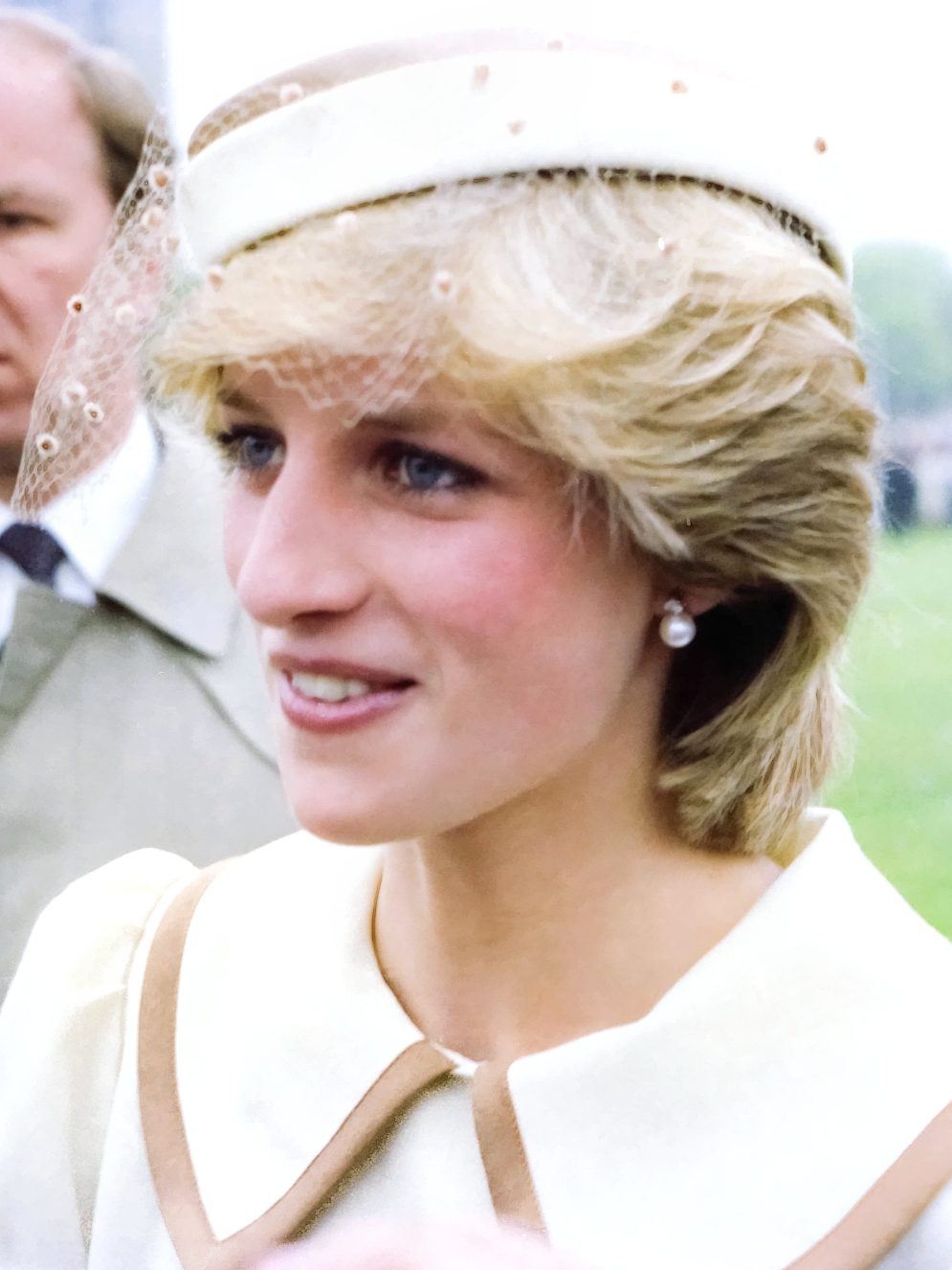
Diana’s humanistic approach added tremendous value to royal events as they became not mere spectacles but moments of shared humanity. In photos, she radiated warmth, her gaze attentive, her smile genuine. These images became some of the most cherished of her era, weaving a narrative that spoke to the heart rather than the traditions of the crown.
Her ability to look beyond ceremonial practice allowed Diana to foster a sense of trust and connection, crucial at a time when the British monarchy was navigating modern identity. She not only redefined public engagements but also reset the emotional compass of royal relationships with communities around the world, laying a foundation for future generations.
The Enduring Legacy
Princess Diana’s influence on royal walkabouts transcended her lifetime, reshaping royal expectations and conduct. While she was no longer bound by the constraints that had initially contoured her life, her compassion continued to ripple through time. Future generations of royals widely adopted her informal approach, with Princes William and Harry, in particular, instinctively embracing their late mother’s legacy of heartfelt engagement with the public.
Today, the echoes of Diana's transformations are visible in the modern monarchy. The relaxed demeanor and more personal connections seem less extraordinary now, a testament to the enduring impact of her innovations. Diana’s legacy is imprinted not only in hearts but in the ways the House of Windsor continues to communicate its relevance to a changing world.
Diana's reshaping of royal protocols was more than strategic; it was a genuine reawakening of how leaders can share space with those they represent. In her, humanity found royalty not on a pedestal but in partnership, echoing a warmth that continues to light the halls of palaces and across generations. A legacy of kindness and connection — that is Princess Diana's enduring gift to the monarchy.
📷 Photo: Russ2009. CC BY-SA 2.0 via Wikimedia Commons.