
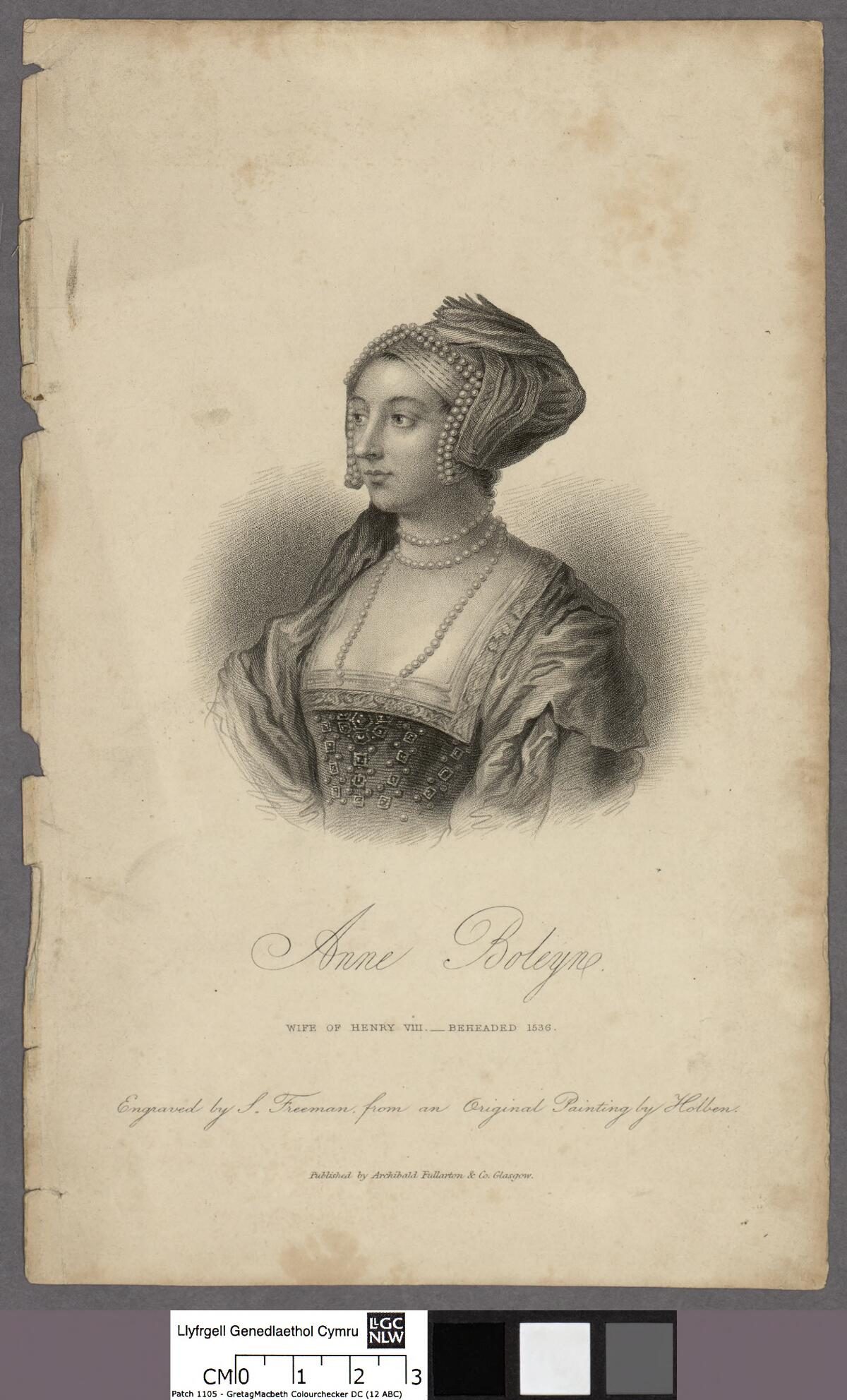
Anne Boleyn's Final Morning
The morning of May 19, 1536, was one of chilling dichotomy — a day where the sullen skies above the Tower of London bore witness to history's devastating yet dignified chapter. That morning, Anne Boleyn, once Queen of England, ascended the scaffold with a demeanor that defied her grim fate. It is said that she laughed, a sound that echoed across the hushed courtyards and resounded within the hearts of those who gathered. Yet, this laughter was not an expression of madness but rather a profound manifestation of grace and composure. Her final acts and demeanor stunned the crowd, etching a powerful legacy that is felt even today.
From Queen Consort to Condemned
Anne Boleyn's path from queen consort to condemned prisoner was unprecedented in its speed and severity. As one of history's most controversial figures, her role in the English Reformation and abrupt rise to power as Henry VIII's second wife reshaped the monarchy. At court, Anne was known for her wit, charm, and ability to captivate — qualities that endeared her to Henry but also sparked envy and animosity among peers. Her rise to the crown was turbulent, embroiled in politics and the king's desperation for a male heir.
However, court intrigues, miscarriages, and perceived threats precipitated her fall. In a swift but calculated move, Henry VIII's government charged her with adultery, incest, and treason. In the patriarchy-laden, turbulent milieu of 16th-century England, her fate was tragically sealed. Found guilty by a court, Anne was confined to the Tower of London, where she spent her final days reflecting, perhaps privately defiant yet dignified to the last.
Tower Green: A Stage Set for History
On that fateful morning, as Anne walked across the dewy grass towards her destiny, the scene was both somber and mesmerizing. The Tower of London, stern and unyielding, provided a backdrop against which history unfolded. Hundreds stood witness, their collective breath held in anticipation of the event's solemnity. The scaffold upon which Anne ascended was a stark reminder of both her eminent past and the impermanence of power.
Witnesses noted Anne's poise as she dressed simply in a dark gown of damask, a white coif on her head. She displayed a serenity that belied the tumult of the past months, stepping forward with steadfast resolve. Her laughter, with its poignant mix of defiance and acceptance, left an indelible mark — a reminder of her indomitable spirit and intrinsic grace.
The Composure of a Fallen Queen
In those final moments, Anne's composure was remarkable. She addressed the crowd with a speech that has resonated through the centuries, a poignant yet measured declaration of her acceptance. Far from displaying fear or anger, she acknowledged her circumstances without incriminating those who condemned her. This was not resignation but a powerful testament to her dignity. Anne sought to leave a legacy not sullied by bitter reproach but reflective of her lineage and loyalty to her husband and king.
Her infamous laughter on the scaffold reflected an inner strength that transcended the dire straits of her reality. It was an embodiment of her character — intelligent, astute, and unyielding. In a final act of control, where others saw only vulnerability, Anne saw the fulfillment of her own fate, embracing it with remarkable equanimity.
A Legacy Beyond the Scaffold
Anne Boleyn's execution remains one of the most poignant and dramatic moments in British history, symbolizing the volatility of court life and the perilous balance of power during the Tudor era. Her laughter on that morning continues to captivate historians and royal enthusiasts alike, a testament to her enduring legacy. Despite the complexities and controversies, Anne's life and death contribute to a profound understanding of grace under pressure.
Today, as we reflect on the stories of those who shaped the rich tapestry of Britain's royal history, Anne Boleyn's tale serves as a reminder of the enduring nature of human dignity. It is a narrative that challenges us to consider the complexities of identity and legacy, particularly within the sphere of monarchy. Anne's laughter, rather than an epitaph of defeat, becomes a celebration of resilience and composure — a poignant reminder that grace can be found even in the face of the unimaginable.
The echoes of Anne Boleyn's laughter across Tower Green offer a connection to a time where the stakes of power and politics defined lives and destinies. As we revisit these stories, may we continue to admire the individuals within the institution of the British monarchy, celebrating their humanity, resilience, and enduring influence on the world stage.
📷 Photo: Samuel Freeman. Public domain via Wikimedia Commons.