Hook: She was Queen Victoria's third child. She had palaces, titles, and every reason to stay away. But when typhoid swept through Hesse, Princess Alice rolled up her sleeves and nursed the sick herself — hands bare, face close. What happened next broke a nation's heart.
The Compassionate Royal
Amidst the grandeur of 19th-century royal life, Princess Alice stands out not merely for her lineage but for her profound empathy and compassion. Born to Queen Victoria and Prince Albert, Alice was immersed in a world of privilege and duty. Yet, it was her unwavering commitment to humanitarian ideals that defined her legacy. In the harsh reality of 1877, Princess Alice chose compassion over comfort, stepping beyond palace confines into the heartfelt service of the sick and ailing in Hesse.
Typhoid fever's grip on Hesse was severe, sparing none in its merciless path. In a time when the disease was poorly understood, and survival was uncertain, Alice's sense of duty was unyielding. Her response was not just the mark of noble grace, but an echo of her father’s principles; Prince Albert had instilled in his children a genuine sense of public service.
From Palace to Patient
In the heart of Hesse, amidst opulent residences and the serene Romberg forests, a stark juxtaposition unfolded. Princess Alice, with access to every comfort and a life far removed from the trials of ordinary souls, refused to stand idly by. Instead, she chose to walk into the very eye of a crisis where danger was not an abstraction but a pressing reality. Her actions during that critical period resonate as an exemplification of profound altruism, shedding light on the often-overlooked side of royal life—one that steps forth from grand ballrooms into humble hospital rooms.
Without hesitation, she engaged directly with the victims of typhoid, her royal hands ungloved, her regal presence reduced to nothing more than the essential work of nursing the afflicted. There in those hushed halls, devoid of ceremony and grandeur, Alice did what many royals before and since have never contemplated; she threw herself with abandon into the fray, cradling the dying in her arms, bringing hope and solace with each tender gesture.
The Shadows of Tragedy
Though her intentions were regal and pure, the risks were lamentably high. Princess Alice's exposure to those she served ultimately led to her own illness. Typhoid fever, which respects neither birth nor title, seized Alice with a ferocity that could not be mitigated by love nor lineage. At just 35, the disease claimed her, leaving behind an indelible impact on her family and a heartfelt mourning across a continent that had come to admire her courage.
The tragedy of her loss was compounded by the heart-wrenching circumstance; it was mere weeks after nursing her own children through the ravages of diphtheria and losing her youngest daughter, Marie, to the illness. Alice's determination to console her son Earnest with a forbidden kiss was said to have sealed her fate, demonstrating her deep-rooted love and vulnerability—a hallmark of her stalwart character.
A Legacy of Love and Sacrifice
Princess Alice’s life was brief, but her spirit and impact echoed far beyond her passing. She illustrated an exemplary commitment to public service and maternal sacrifice that continues to inspire modern royals. Her daughter, Alexandra, would go on to marry Nicholas II of Russia, becoming the last Tsarina, where she too, in a realm briefly filled with power and potential, would embody an enduring image of grace and tragedy.
The story of Princess Alice transcends time as a reminder of what compassion in leadership can achieve. Her actions, grounded in genuine concern for humanity, present a past connected intimately with our own times—her sacrifices and empathy providing a touchstone for empathy, a beacon of real human values amidst privilege.
Reflections of Royal Responsibility
The tale of Princess Alice resounds today as a paramount example of royal duty extending beyond mere ceremonial appearance. It serves as a potent stimulus for examining how today's royals can wield influence—not simply through spoken word in opulent settings, but through direct action and authentic engagement in the face of adversity.
In an age increasingly focused on transparency and advocacy, the legacy of Princess Alice reminds us that genuine leadership often begins with a humble heart willing to get its hands dirty. Her story is forever etched in the annals of royal history, a testament to the power of human resilience and the unbreakable bonds of shared humanity.
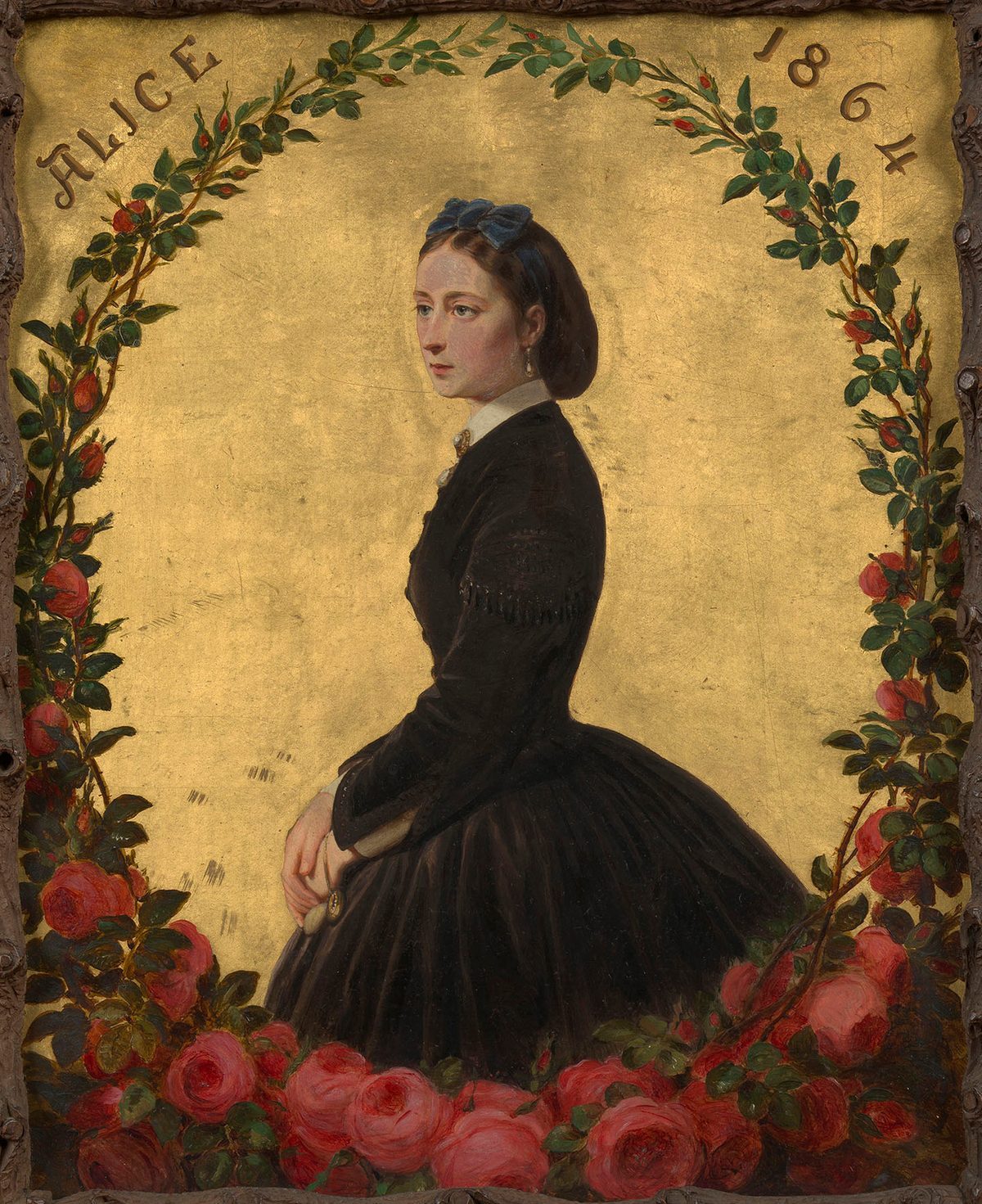
📷 Photo: Princess Alice of the United Kingdom. Public domain via Wikimedia Commons.