The Night Queen Elizabeth II Sat Alone With a Miner's Son
The year was 1966, and the place was a small Welsh village named Aberfan. It was a time marked by the resilience of spirit and the overwhelming tragedy brought upon this community by the sinister disregard of nature's boundaries. Eight days after a catastrophic event that crushed the village's soul and shed an uncompromising light on life's fragility, Queen Elizabeth II descended upon the grief-stricken landscape, embodying both strength and solace. What happened that cold October day offers a poignant glimpse into not just a monarch but the compassionate heart that beat within her.
The Aberfan Tragedy
October 21, 1966. The coal mining town of Aberfan in South Wales was a close-knit community where generations lived in the shadow of coal tips that loomed like sleeping giants over their homes. On that fateful morning, one of the tips, originally deemed secured, succumbed to weeks of heavy rain, transforming into a monstrous avalanche of sludge and debris that engulfed Pantglas Junior School, along with many innocent lives.
The heart-wrenching calamity claimed 144 souls, 116 of whom were children who never returned home. Aberfan was marred by unspeakable loss, its halls echoing the silence left by uprooted futures. A tide of despair swept through its residents, and the nation mourned deeply with them.
A Royal Visit
Initially criticized for the delay, Queen Elizabeth II arrived in Aberfan eight days after the disaster, a decision she would later express deep regret for. Despite the criticism, her eventual presence in Aberfan was more than a symbol of the Crown's solidarity; it became a testament to her profound empathy.
The Queen walked through the lingering chaos, the weight of collective sorrow tangible in every bowed head and tear-lined face she encountered. To the people of Aberfan, her visit was not just a gesture of duty but one of heartfelt humanity. Through the lenses of cameras and the whispers of observers, her resolve and empathetic approach were evident, though the most impactful moment unfolded far from public view.
Alone But Not Forgotten
In a quiet moment removed from the tragic noise and ceremonial formality, the Queen entered a modest living room, its shadowed corners a stark contrast to the grandeur of her usual surroundings. There, a young boy, a miner's son, sat enveloped in his grief, a relic of shattered innocence amidst the wreckage of Aberfan.
The Queen, unaccompanied by attendants or photographers, sat beside the child. In that room, stripped of regal fanfare, she was not Queen Elizabeth II, the sovereign of the United Kingdom, but a human being reaching out to another. Reports from the era suggest that she remained seated until the boy, touched by the Queen’s quiet companionship, was ready to face the world once again.
The monarchy, often perceived through the veil of ceremony and tradition, was in that singular act, veered towards the profoundly personal. There were no words or speeches needed; her presence said it all.
The Quiet Reverberation
The story of a solitary queen sitting with a grieving child spread modestly at first, perhaps by intention, emphasized through quiet conversations and intimate reflections within the community. What remained unspoken by the child became a whispered testament to the Queen's subtle understanding of presence over words in moments of deep loss.
This particular gesture resonated powerfully through the years, an emblematic illustration of Queen Elizabeth II’s commitment to her people not only as their queen but as a figure of genuine compassion. Her appearance in Aberfan was not just a royal duty executed; it was an engagement of the heart with a populace in dire need of it.
More Than a Moment
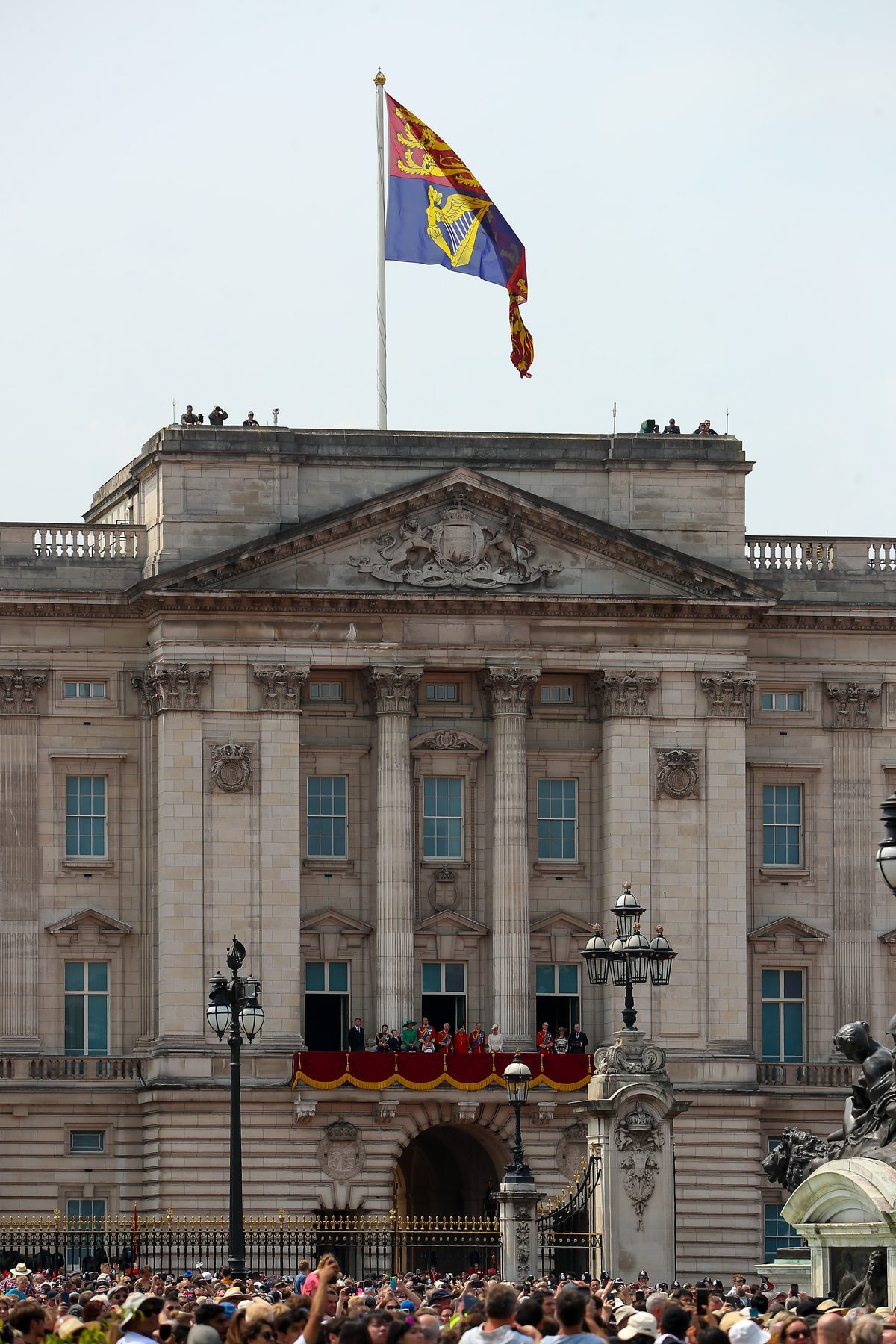
The monarch’s presence in Aberfan served as a silent vow that such a tragedy would not go unseen, that the heartbeat of a grieving village could echo through the gilded halls of Buckingham Palace. This singular moment between a queen and a miner’s son remains a potent emblem of the monarchy's reach into the most difficult aspects of its people's lives.
As we reflect on those days through the softer lens of history, Queen Elizabeth II’s actions at Aberfan feel less like a bygone anecdote and more a reflection of the timeless role that the monarchy can play. The diligence and dedication she showed through myriad national tribulations are perhaps best encapsulated in her earnest humanity during that silent visit, sitting beside a miner’s son in the shadow of the unimaginable.
Even today, we see the enduring influence of such acts of the past on the present and the unwavering hope they may inspire.
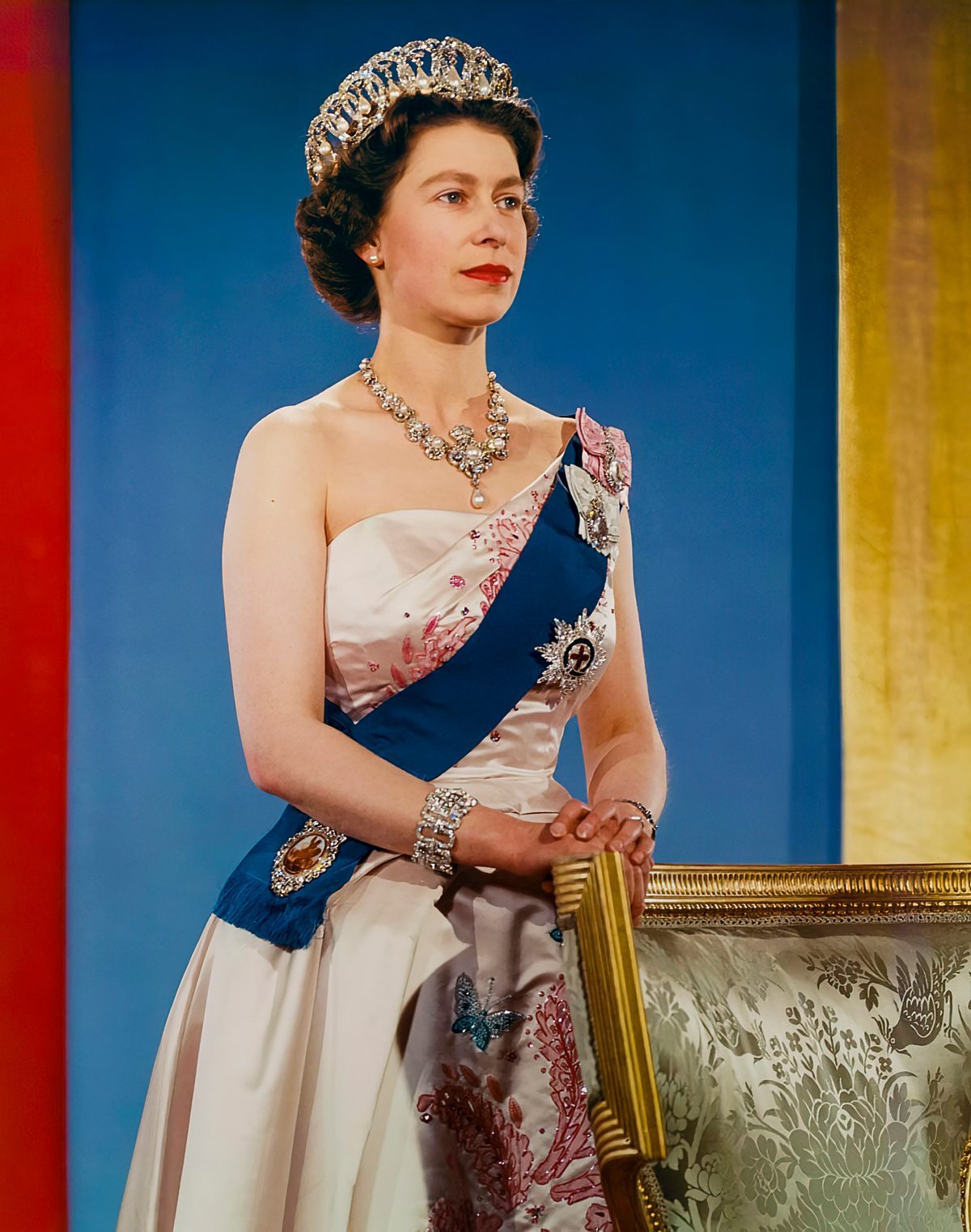
📷 Photo: Donald McKague. Public domain via Wikimedia Commons.