The Day Destiny Hung in the Balance
In the dazzling midst of a London summer, with bunting draping the streets and subjects eagerly awaiting their first glimpse of their new monarch, the unexpected happened. King Edward VII, who had spent more than half a century as the Prince of Wales, was poised to finally ascend to the throne after the prolonged reign of his mother, Queen Victoria. Yet, just two days before his long-anticipated coronation, a dire medical emergency all but derailed this historic transition.
As destiny would have it, King Edward VII nearly missed the moment he had dreamed of for sixty years. A sudden collapse due to a severe abdominal condition cast a shadow over the royal proceedings. With surgeons rushing to his side, not within the cold, sterile walls of a hospital, but rather amidst the regal splendor of Buckingham Palace's dining room, a critical decision was made to perform surgery that would save his life, and indeed, ensure his coronation.
A Regal Beginning: The Making of a King
Born Albert Edward on November 9, 1841, at Buckingham Palace, "Bertie" as he was affectionately known was groomed from birth to eventually take the throne. His mother, Queen Victoria, had set an ideal: an upstanding monarch molded by discipline and duty. Yet, the path from Prince to King was one laden with challenges and expectations. Throughout his lengthy wait, Edward carved out a place for himself within the realms of diplomacy, leisure, and, sometimes controversially, the social scene, sometimes termed the "Marlborough House Set," after his London residence.
The sudden passing of Queen Victoria in January 1901 marked the end of an era. In the year and a half that followed, Edward VII prepared to step into the immense shoes his mother left behind. Expectations were high, and all eyes were set on the 1902 coronation, a ceremonious affirmation of the King’s newfound role. It was not merely a moment of personal triumph for Edward, but the commencement of a vibrant new chapter for the British monarchy.
The Frightful June Days
However, the intricate plans for the June 26th coronation were abruptly disrupted. In the days leading up to the ceremony, King Edward fell gravely ill with what modern medicine identifies as appendicitis, then called "perityphlitis." The medical urgency of the situation was understated by the vocabulary of the time as surgeons contemplated the best course of action with a single question: could King Edward withstand surgery?
“Gentlemen, I will not die. I must live until after the coronation," Edward is reported to have stated, his resolve hardly diminished by the adversity.
Courageousness defined this royal emergency. With only rudimentary anesthesia available, objects and equipment hastily relocated a dining room table into an operating surface. Sir Frederick Treves, the eminent surgeon of the day, conducted what many considered a precarious operation. The King, who had flanked many storms during his princely years, was determined not to let this challenge deter him.
Remarkably, the operation was a success. Recovery, however, was fragile and required time—time that stretched the monarch’s resilience and postponement of the coronation by six weeks. Rumors swirled amongst the masses, whose hope hung on the King’s health and the allure of a coronation deferred but not diminished.
The Triumphant Coronation of August
Six weeks hence, on August 9, 1902, London was refined in jubilation. The rescheduled coronation was a testament to the strength and perseverance of their King. The streets resounded with the fervor of celebration as King Edward, accompanied by his wife, Queen Alexandra, traversed to Westminster Abbey. By all accounts, the ceremony was a splendid success—a clear affirmation of the monarchy's enduring gravitas, and a vibrant signal of the Edwardian era's commencement.
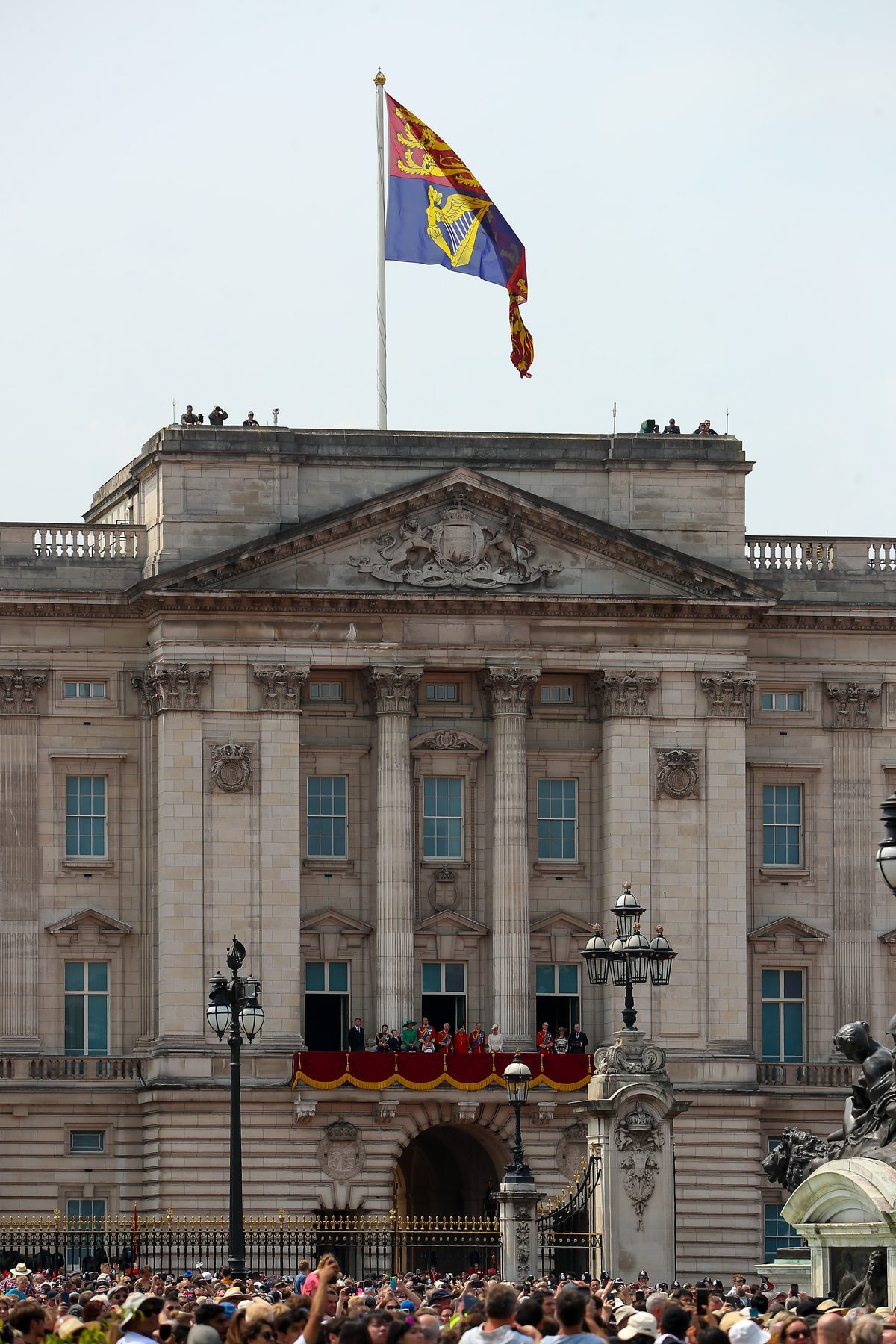
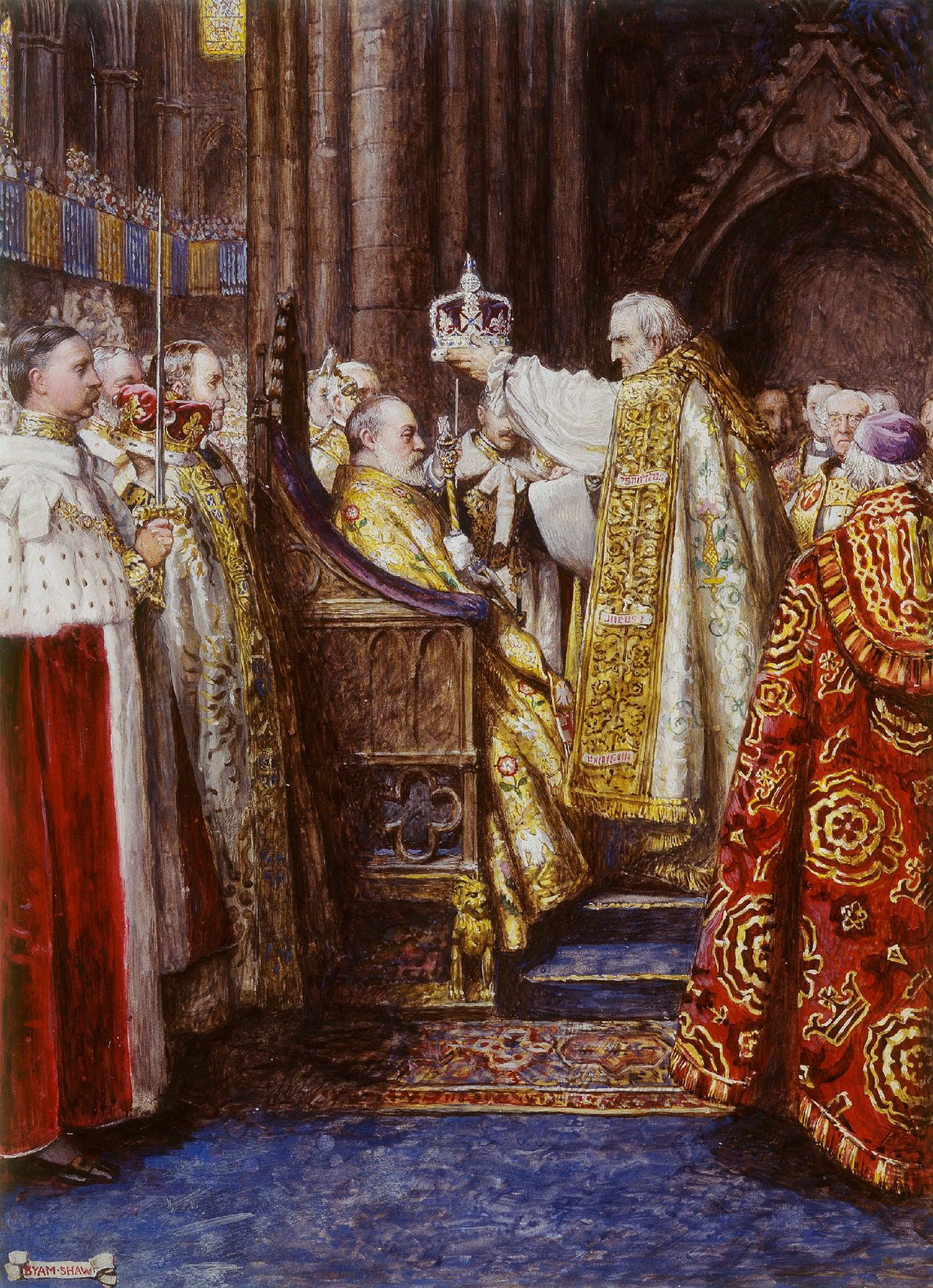
The Westminster Abbey echoed with history as the doors opened to a procession, timeless in its grace, marking not just a crowning achievement, but a revitalization of the British monarchy itself. The royal court, filled to the brim with dignitaries from across the globe, watched reverently as the Archbishop of Canterbury placed St Edward's Crown upon the King’s head. The royal standard flew high, a symbol emboldened by the King’s resilience, whose health shone with promise despite the clouds that had lingered merely weeks earlier.
Echoes Through Time: The Monarch’s Legacy
King Edward VII's coronation remains not just a chapter in British history but also a poignant story of resolve in the face of adversity. His reign, though brief, was transformative—a time when Britain stood on the brink of modernization and prosperity. It was a reign that embraced diplomacy and innovation alike, casting a fresh light upon traditions long held in shadow.
From the captivating accounts of Edward’s steady recovery to the grandeur of his crowning moment, his journey amplifies the resilience embedded in the fabric of the British monarchy. It is an eternal reminder that while monarchs are as mortal as their subjects, their dedication and ascent, often against the odds, mirror the extraordinary resolve of the crown itself.
Today, the world gazes at the British monarchy with equal wonder and reverence, reflecting upon the enduring legacies left by those who wore the crown before. From England's cherished past to its present place in history, King Edward VII’s extraordinary coronation exemplifies the monarchy's grace under pressure—and continues to inspire a nation that celebrates its regal history with pride.
📷 Photo: John Byam Liston Shaw. Public domain via Wikimedia Commons.