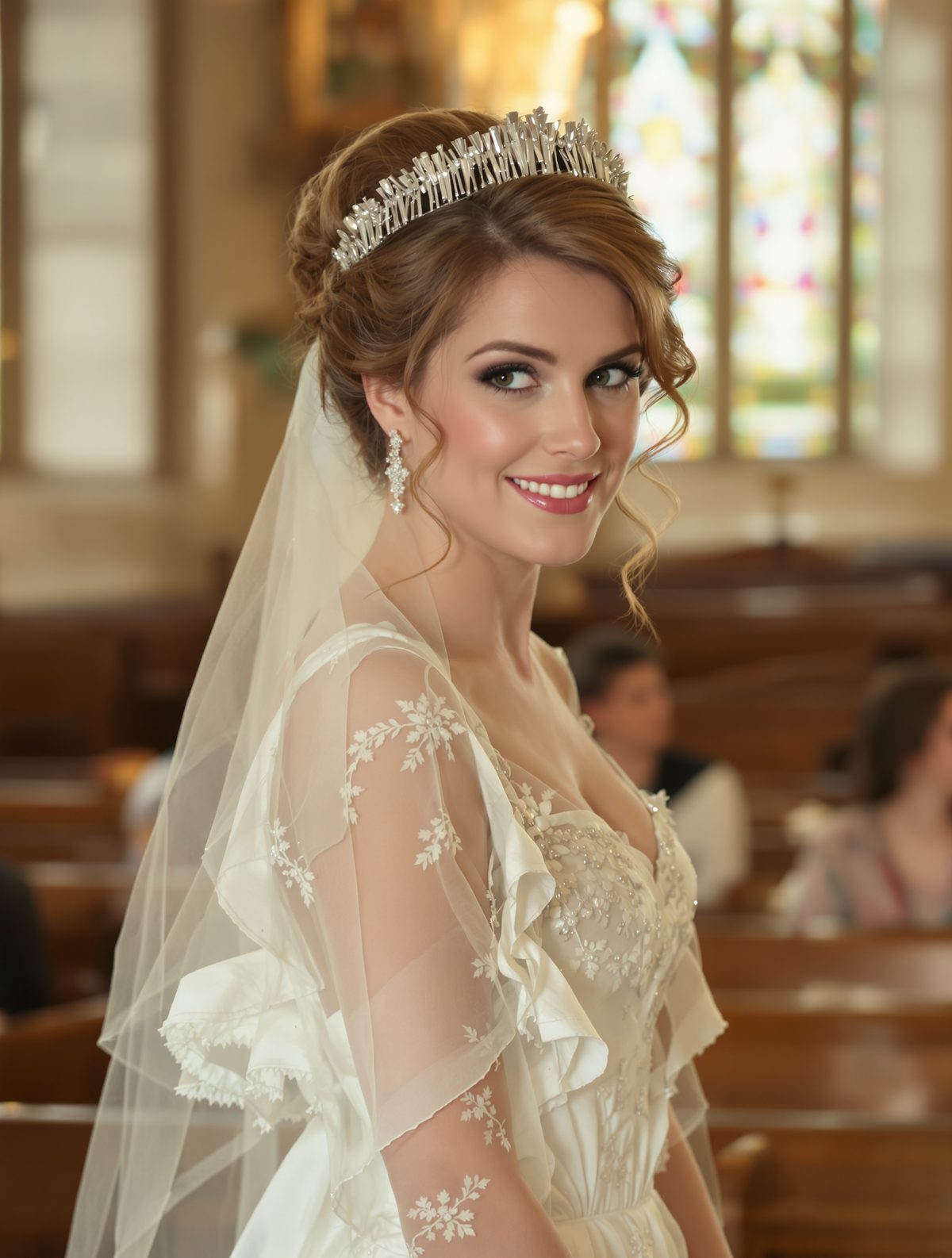
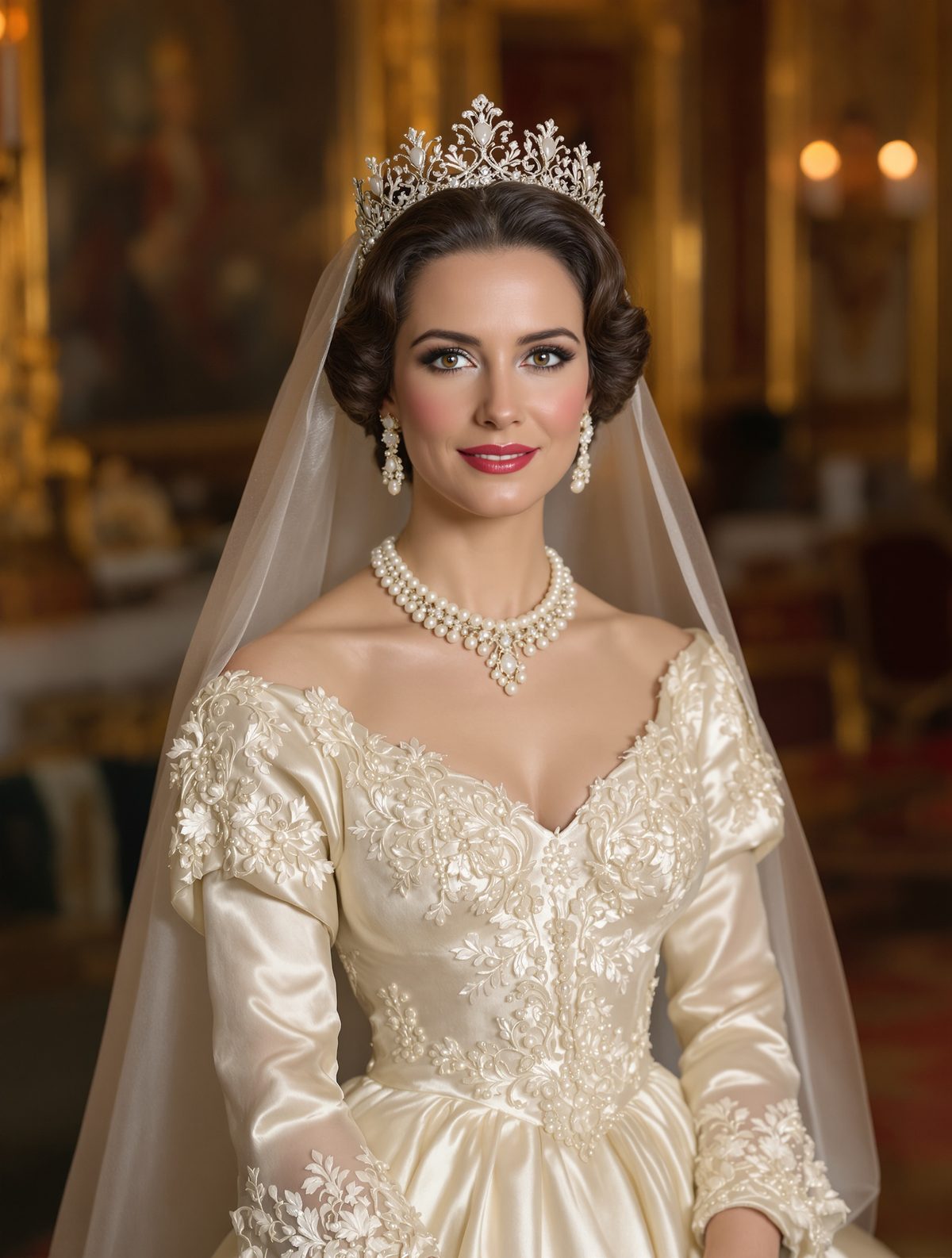
The gilt mirrors of Coppins, Princess Marina's country estate, reflected a scene of barely contained panic on the morning of June 8, 1961. Katherine Worsley, soon to become the Duchess of Kent, stood in her wedding gown of silk organza, her face pale with disbelief. The handcrafted ivory satin shoes that were meant to carry her down the aisle of York Minster had vanished without a trace. With hundreds of distinguished guests already assembled—including Queen Elizabeth II and the Duke of Edinburgh—and television cameras ready to broadcast the ceremony across the Commonwealth, the bride faced an impossible choice that would create one of the most extraordinary wedding day scandals in modern royal history.
A Royal Romance in Post-War Britain
The wedding of Prince Edward, Duke of Kent, to Katharine Worsley represented everything the British public craved in the early 1960s. After years of post-war austerity, here was a fairy-tale romance that captured the nation's imagination. Edward, grandson of King George V and cousin to Queen Elizabeth II, had fallen deeply in love with the Yorkshire-born daughter of a baronet. Katharine, with her natural beauty and understated elegance, seemed the perfect match for the handsome prince who had served as a professional soldier.
The couple's courtship had been conducted largely away from the public eye, with quiet weekends at country houses and discreet appearances at society events. When their engagement was announced in March 1961, the press and public embraced Katharine as a refreshing addition to the Royal Family—intelligent, artistic, and possessed of a warmth that would later make her one of the most beloved members of the royal circle.
The wedding preparations had proceeded with military precision, befitting Edward's background and royal protocol. York Minster, the magnificent Gothic cathedral in Katharine's home county, was chosen as the venue—a decision that delighted Yorkshire residents and marked the first royal wedding held there in over 650 years. Every detail had been meticulously planned, from the guest list featuring European royalty to the wedding breakfast menu. But no one had anticipated the drama that would unfold in the bride's dressing room just hours before the ceremony.
The Mystery of the Missing Shoes
The custom wedding shoes were works of art in their own right. Crafted by one of London's finest shoemakers, they featured delicate pearl embellishments and were made from the same ivory silk used for Katharine's wedding dress. The shoes had been specifically designed to complement the bride's ensemble, with their modest heel height carefully calculated to ensure she wouldn't tower over her royal groom during the ceremony.
When Katharine's lady's maid discovered the shoes were missing from their designated place in the dressing room, the initial assumption was simple misplacement. Surely they had been moved during the morning's preparations? But as minutes turned to an hour, and frantic searching yielded nothing, a more disturbing possibility emerged. The shoes hadn't simply been misplaced—they had been deliberately taken.
The investigation that followed revealed a shocking truth that would remain largely hidden from the public for decades. One of Katharine's bridesmaids, reportedly consumed with jealousy over the bride's good fortune and captivated by the exquisite craftsmanship of the wedding shoes, had secreted them away. The motivation appears to have been a complex mixture of envy and genuine desire for the beautiful footwear—emotions that led to one of the most extraordinary breaches of royal protocol in modern times.
Palace insiders later revealed that the discovery of the culprit's identity caused as much consternation as the original theft. The bridesmaid in question came from an impeccable background, making her actions all the more shocking to those who prided themselves on the discretion and loyalty expected within royal circles.
A Bride's Dilemma
With the theft discovered but the shoes unrecovered, Katharine faced an unprecedented dilemma. York Minster was filling with guests, the Archbishop was prepared to conduct the service, and millions of viewers were waiting to witness the ceremony. There was simply no time to source replacement shoes, let alone ones that would properly complement her carefully planned ensemble.
The practical considerations were significant. Royal protocol demanded perfection, and the bride's appearance would be scrutinized by fashion experts and royal watchers alike. Yet the human element was equally compelling—this was Katharine's wedding day, a moment she had dreamed of since childhood, and it was being marred by an act of betrayal from within her own wedding party.
The Barefoot Duchess
Katharine's decision to proceed barefoot beneath her flowing gown demonstrated both pragmatism and remarkable composure under pressure. The silk organza of her dress, with its full skirt and cathedral-length train, would effectively conceal her feet throughout most of the ceremony. Only those closest to the bride would be aware of her shoeless state, and the secret could theoretically be maintained.
The logistical challenges, however, were considerable. Walking down the lengthy nave of York Minster without shoes meant navigating cold stone floors and ensuring that the hem of her dress remained at precisely the right length. The bride's lady's maid quickly adjusted the gown's hem to account for the missing heel height, while Katharine practiced her measured bridal pace to ensure grace and dignity would be maintained.
The irony was not lost on those present that a bride marrying into one of Europe's oldest noble families was walking barefoot to her wedding—a detail that would have scandalized Victorian sensibilities but somehow seemed fitting for the more relaxed atmosphere of the early 1960s.
Throughout the ceremony, Katharine's composure never wavered. Photographs from the day show a radiant bride, and not a single news report mentioned anything amiss with her appearance. The secret was so well-kept that even close royal watchers remained unaware of the morning's drama until decades later.
Aftermath and Royal Discretion
The immediate aftermath of the wedding saw swift but discreet action regarding the shoe theft. The bridesmaid responsible was quietly confronted, and the shoes were returned, though by then the damage to relationships within the wedding party had been done. True to royal form, the matter was handled with characteristic discretion—no public statements were made, no legal action was pursued, and the incident was relegated to the category of family matters best kept private.
This approach reflected the royal family's long-standing philosophy that personal dignity and public perception must be carefully managed. The alternative—public revelation of the theft—would have overshadowed what was otherwise a triumphant royal occasion and created unnecessary embarrassment for all involved parties.
The Duchess of Kent, as Katharine became following her marriage, would go on to become one of the most respected members of the Royal Family. Her grace under pressure on her wedding day perhaps foreshadowed the quiet strength and dignity she would display throughout decades of royal service, including her work with music charities and her role as the first member of the Royal Family to convert to Roman Catholicism since the Act of Settlement.
A Different Era of Royal Life
Looking back at this extraordinary wedding day drama, it's striking how different royal life was in 1961. The incident occurred in an era when royal privacy could still be genuinely protected, when a significant scandal could unfold within the immediate royal circle without becoming tabloid fodder. The bridesmaid's identity has never been publicly revealed, and likely never will be—a testament to the code of discretion that still governed royal circles in the early 1960s.
The story also reveals the very human side of royal occasions. Behind the pageantry and protocol, royal weddings involve the same emotions, stresses, and potential for disaster as any other wedding. The difference lies in the stakes—when things go wrong for royals, they must maintain perfect composure while the world watches.
Today's royal brides face different challenges, with social media and 24-hour news cycles making it virtually impossible to keep such secrets. Yet the Duchess of Kent's barefoot walk down the aisle at York Minster remains a perfect example of grace under pressure, proving that sometimes the most memorable moments arise from the most unexpected circumstances. Her wedding day scandal became a testament to the power of composure, the importance of discretion, and the enduring truth that real elegance comes not from perfect accessories, but from inner strength and dignity.