The echoes of Tudor England reverberate through the corridors of history, filled with tales of valor, intrigue, and the ever-changing tides of fortune. Amongst these stories, the brief yet poignant tale of Jane Seymour shines with both tragedy and triumph. In October 1537, amidst the gilded splendor of Hampton Court, whispers told of a queen who shielded a secret as her life faded away. Jane Seymour had fulfilled King Henry VIII’s greatest desire—a male heir. Yet, her own story was written in the shadows of joy and sorrow.
The Ascension of Jane Seymour
In the complex tapestry of Henry VIII's reign, Jane Seymour's chapter begins with a gentle rise to prominence. Born into a noble family, Jane's life at court commenced as a lady-in-waiting to Henry's first wife, Catherine of Aragon, and subsequently to Anne Boleyn. Known for her demure charm and steadfast composure, Jane's presence offered a soothing contrast to the tempestuous marriage of Henry and Anne.
When Anne fell from grace, it was Jane who next ascended as queen consort—a role she assumed with obedience and grace. Her marriage to Henry in 1536 marked a geopolitical victory of sorts. Yet, for Jane, the personal stakes were higher. She bore the weight of expectation: delivering a male heir to secure the Tudor dynasty.
A Hidden Agony
Jane Seymour’s legacy intertwined with her most significant achievement—bearing Prince Edward. Her joy, however, was short-lived, for within days of his birth, Jane's health was in sharp decline. The court buzzed with rumors of the queen's silence during labor. It was said she concealed early pains, hesitant to disturb the king’s peace, a testament to the omnipresent shadow of Henry's volatile disposition.
The duty of a queen was often shrouded in sacrifice. Jane’s silence was not unique to her but magnified by the crown she wore. Her love for the king and country was displayed in her quiet fortitude.
In accounts that followed, her ladies-in-waiting described a labor fraught with complications. There is speculation that had Jane called for aid sooner, her outcome might have differed. Yet, the truth remains veiled in Tudor mystery, locked away with the other untold secrets of her heart.
The Human Cost of Royal Expectations
Jane Seymour’s brief queenship reminds us of the immense personal toll exacted by royal duty. Within a court obsessed with lineage and legacy, Jane's experience speaks to the silent sufferings of those who bear the crown. Her maternal grace won the love of the people and the court, yet it was her silent endurance amidst personal anguish that wrote her place in history.
The elaborate rituals of court life often masked the vulnerability of its players, none more so than a queen whose every action bore the scrutiny of both king and country. The expectations placed upon Jane were extraordinary, positioned as she was at the intersection of personal devotion and regal obligation.
The Legacy of Jane Seymour
Though her time with Henry was brief, Jane's impact was indelible. Her son, Edward VI, would ascend to the throne, albeit for a tragically short reign. Yet, her legacy lived on in the continued stability of the Tudor line, a testament to her enduring influence.
Her burial beside Henry in St. George’s Chapel at Windsor Castle is a silent testimony to the king’s affection for her—the most favored of his queens. In the realm of royal history, Jane Seymour stands as a poignant reminder of both the privileges and the perils of wearing the crown.
Reflections on Royal Devotion and Duty
Jane Seymour’s story holds a mirror to the timeless nature of royal duty—where personal desires and historical obligations often collide. Her sacrifice resonates today, offering poignant insights into the humanity beneath the crown. As we admire the splendor of royal tradition, let us also remember the quiet sacrifices of those like Jane, whose legacies are woven into the fabric of history.
In our modern era, the enduring appeal of the monarchy lies in its ability to blend tradition with the personal stories of its members. Just as Jane’s devotion shaped her time, today's royals continue to navigate the fine line between historical expectation and individual authenticity.
As we walk through museums or watch royal events unfold, appreciating the human stories behind these grand narratives enhances our connection to the past, reminding us of the common threads of duty, love, and sacrifice that bind us all.
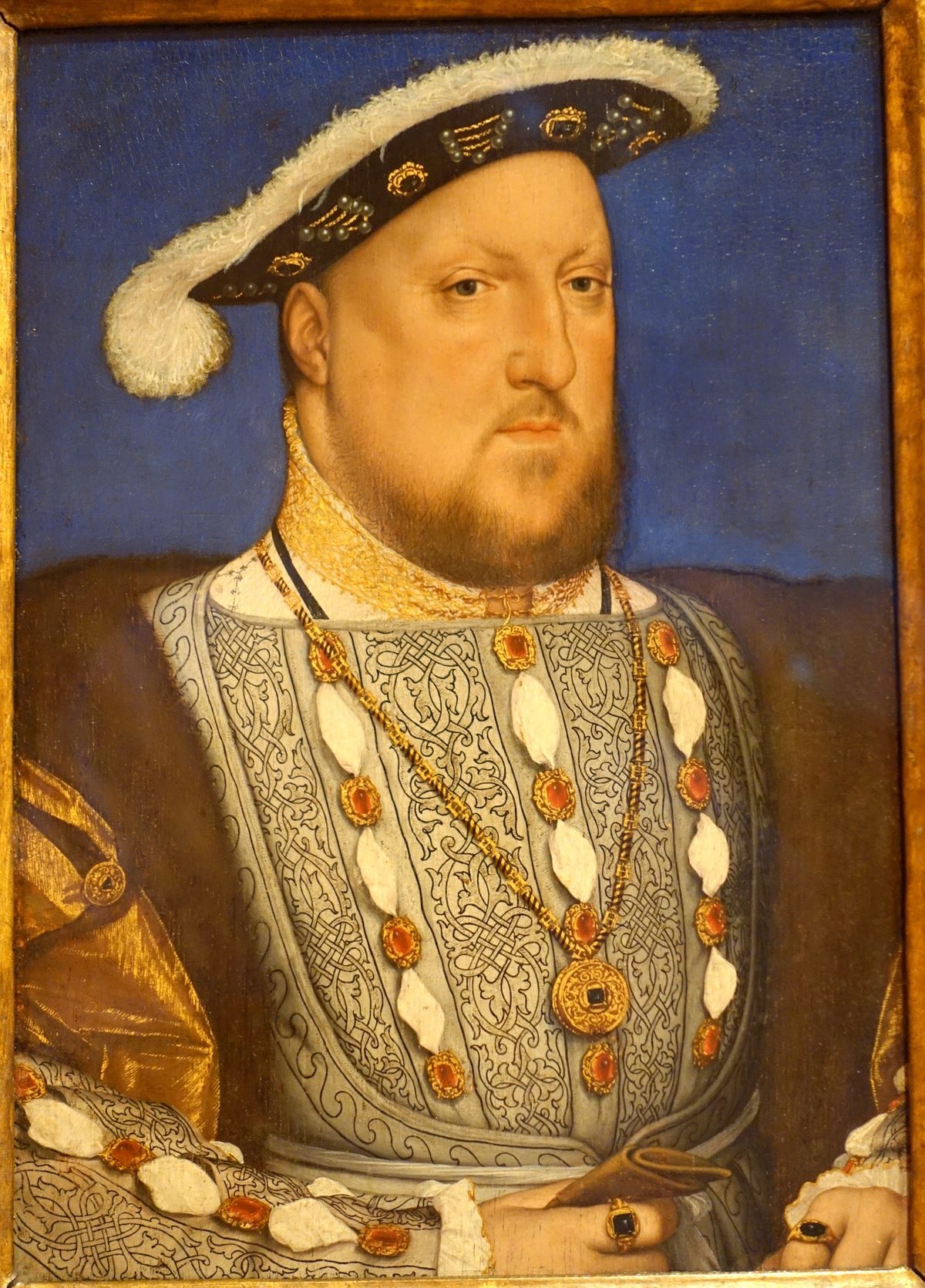
📷 Photo: Daderot. Public domain via Wikimedia Commons.