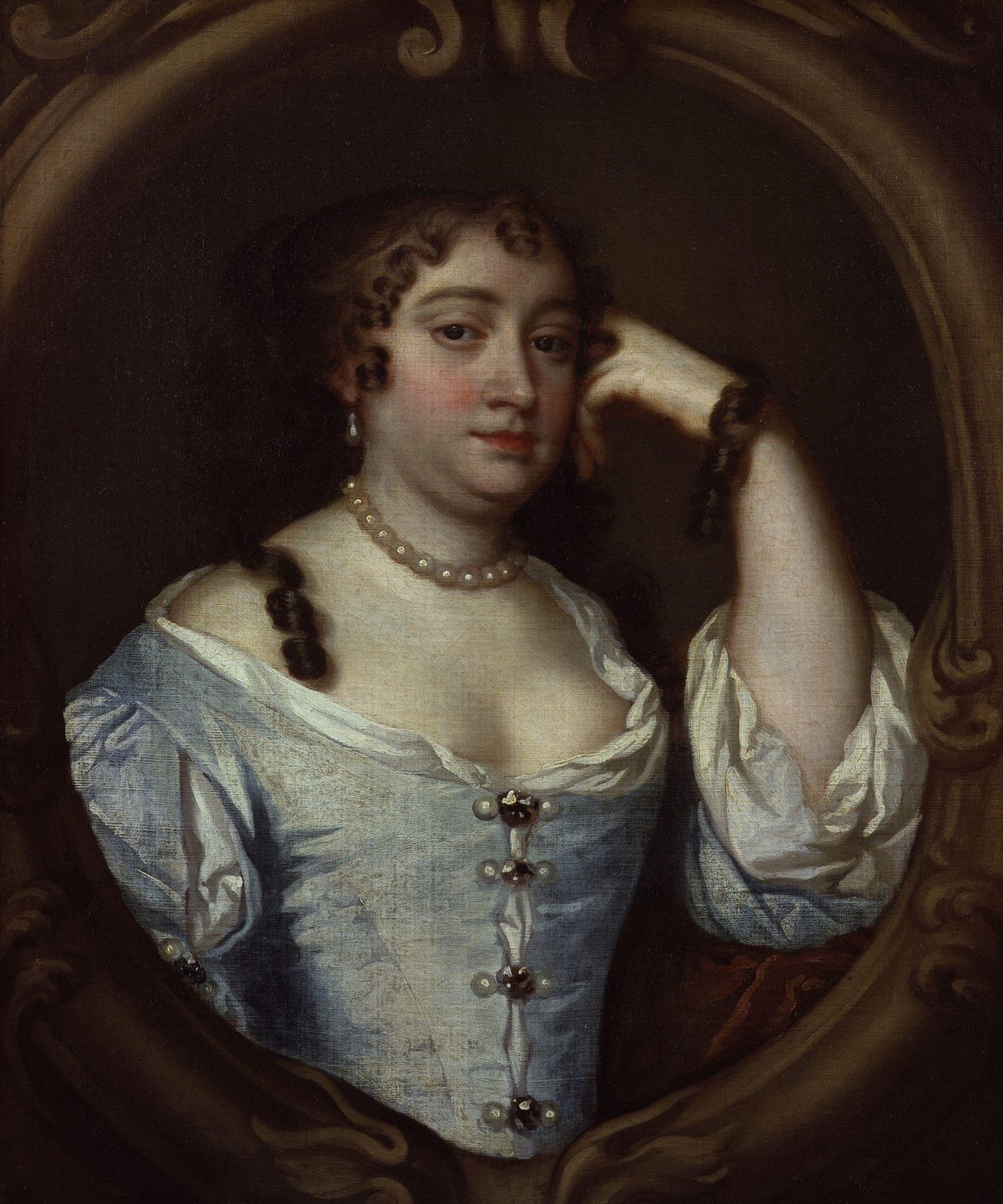
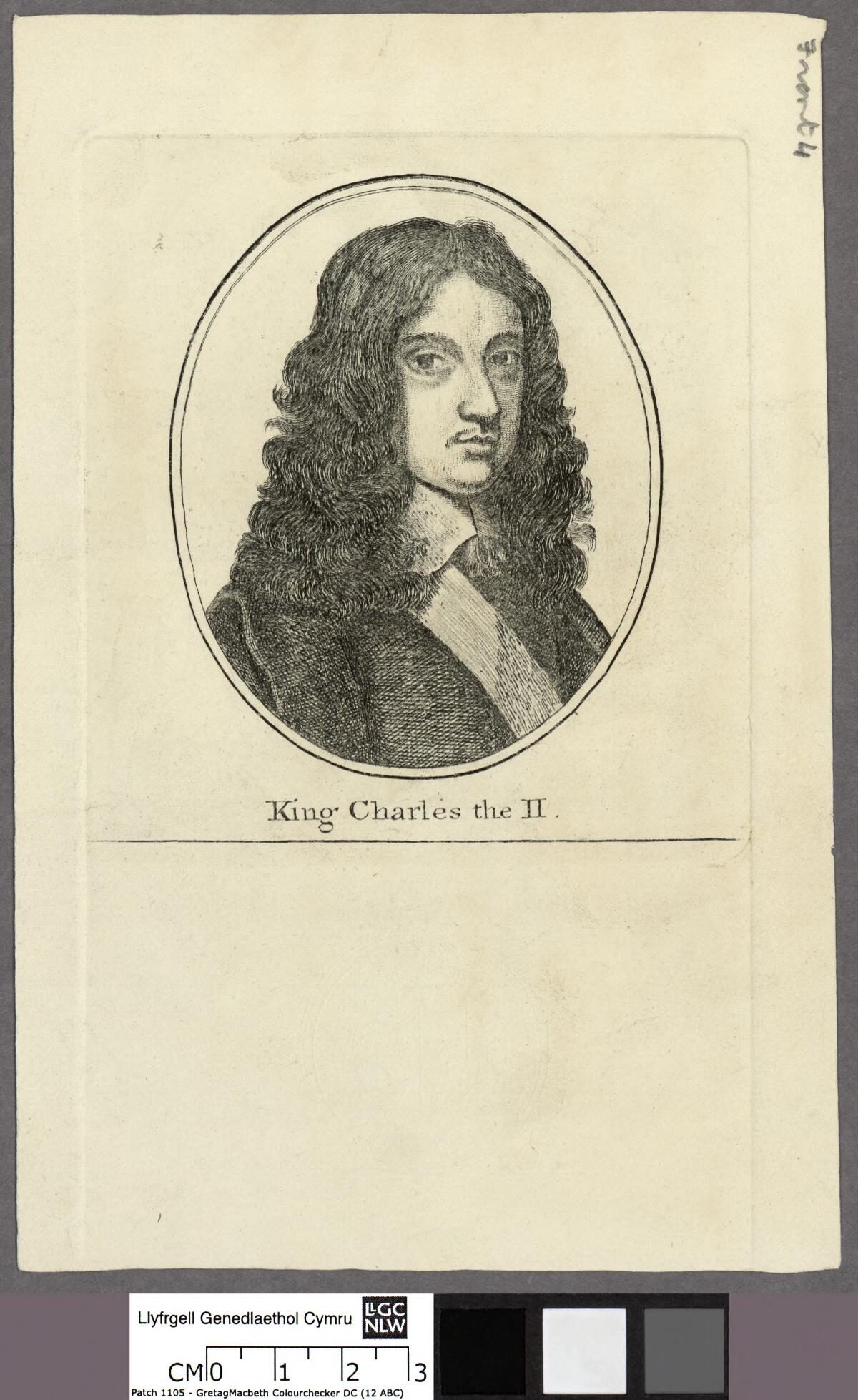
Once upon a time in the opulent palaces of Restoration England, a unique and heartwarming sight graced the halls of power. Charlie, alongside a vibrant, merry band of Cavalier King Charles Spaniels, created an atmosphere of charm and delight amid the gravity of governance. King Charles II, the self-styled “Merry Monarch,” was fond of his kingdom, his pleasures, and above all, his spaniels. These beloved canine companions were not merely household pets but full-fledged members at the heart of state matters.
The Monarchy’s Restoration and the Canine Council
King Charles II ascended to the throne in 1660, a pivotal moment that marked the restoration of the British monarchy after the tumultuous interregnum. Having weathered years of exile across Europe, the king emerged with a refined appreciation for life's pleasures — chief among them, the loyal companionship of his Cavalier King Charles Spaniels.
The spaniels attended every Privy Council meeting, a tradition that began as Charles reinstated monarchical customs. These meetings were crucial, laying the groundwork for monarchy's restored stability — yet, attendees often had to sidestep wagging tails and furry paws during heated discussions of policy and power.
Such pets in places of such significance might raise an eyebrow today, but during Charles II's reign, these spaniels symbolized the king's embodiment of joy and harmony in governance. They brought a peaceful, almost whimsical element to the serious matters at hand, diffusing tensions with their innocent play.
The Human Story: King Charles II and His Loyal Companions
The king’s affinity for his dogs was legendary. Charles II was known for his genial nature and love of entertainment, feeling most at ease amidst lively and jovial company. His spaniels were extensions of his relaxed demeanor, often seen trotting beside him down the cobblestone streets of Whitehall Palace.
Why did these dogs hold such a significant position in Charles's life? Perhaps it was their steadfast loyalty that mirrored his tireless devotion to his country. Having spent formative years in precarious exile, Charles was a monarch distinct in his understanding of comradery — bondings forged not just among men, but between man and faithful beast.
Known for their gentle and affectionate nature, the Cavalier King Charles Spaniels were fitting companions for a king whose court prided itself on elegance and amicable energies. The dogs, with their large, soulful eyes and flowing coats, were as much a part of court life as fashion and brandy.
A Day in the Life at Court
The court of Charles II was a lively theater of activity. From morning until night, courtiers, nobles, and statesmen buzzed around, engaged in discussions or leisurely pursuits, while the spaniels were ever-present, bringing a sense of warmth and informality.
Imagine a scene in the ornate chambers: the king reclined upon his sumptuous throne, a spaniel nestled comfortably at his feet. Surrounding him, his councillors negotiated matters of state, often finding themselves navigating the curious interruption of a dog’s attention-seeking nudges.
"Sir, it would appear that your spaniel holds the king's ear as well as the throne, keen on ensuring no tedious moment persists in our council!"
The king’s indulgence in his dogs extended to an almost amusing degree, illustrating the harmonious balance he struck between ruling and allowing himself small joys. His reign, deemed one of renewed flourishing of culture and arts, was mirrored subtly in these small customs.
The Legacy of Charles II’s Spaniels
The Cavalier King Charles Spaniel remains one of the most beloved dog breeds worldwide, a testament to their royal patronage and appealing charm. These dogs are defined not only by their physical beauty but by their deep roots in the royal lineage, carrying the legacy of the merry monarch’s love across centuries.
The breed’s continued popularity speaks volumes about the lasting influence of King Charles II. Irrespective of court politics or shifting power, the spaniels remain a durable symbol of loyalty and joy—a perfect reminder of the human experience within the royal domain.
Today, as millions of households welcome these affable, royal dogs into their homes, they carry with them a piece of history — a connection to a monarch who delighted in the delights of life's simpler pleasures, notwithstanding his powers and responsibilities.
Connecting Past and Present through Canine Companionship
Reflecting upon this captivating era with its blend of regal splendor and genuine warmth, it's fitting that we acknowledge the role of King Charles II’s spaniels in shaping history. These delightful animals not only attended policy discussions but became an emblem of royal relaxation — a reminder of the humanity behind monarchy.
In an age where life moved at a less frantic pace but was nonetheless fraught with political complexities, the Cavalier King Charles Spaniels stood as a comforting symbol. They humanized the king, illustrating his connection not just with power but with the universal bond of love and loyalty.
Today, these spaniels continue to charm and bring joy, as they have from murmurings in palatial chambers to cozy family hearths. They serve as gentle custodians of a past where power and affection seamlessly intertwined, keeping alive the spirit of a king who redefined monarchy with humor, humanity, and a dash of canine flair.
📷 Photo: Unknown authorUnknown author. Public domain via Wikimedia Commons.