The opulence and grandeur of a royal coronation are sights to behold, with every detail meticulously planned to display the unbroken lineage and the unwavering majesty of the British monarchy. For King Edward VII, heir to the long-reigning Queen Victoria, his moment in the Abbey was nearly silenced by the sharp edge of a surgeon's blade rather than the solemn bell of Westminster. In the summer of 1902, just two days before his coronation, an unexpected medical emergency caught the court off guard, compelling a race against time within the storied walls of Buckingham Palace.
A Royal Health Emergency
As Britain prepared to celebrate the official ascension of King Edward VII to the throne, tensions were high. The date was June 26, 1902, with dignitaries and royalty from across the globe gracing London to witness the historic ceremony. Conversely, behind the palace gates, the atmosphere darkened when the King, typically robust and vibrant, suddenly collapsed in severe pain. The source of his agony: an abdominal abscess that had become dangerously infected.
Edward, known for his love of life's pleasures and perhaps not the most scrupulously healthy lifestyle, had been enduring weeks of worsening health. The abscess had been causing him discomfort, but the King’s stoic nature delayed any immediate action. Yet, on June 24, his condition deteriorated rapidly, demanding urgent attention. An entire nation and its Commonwealth stood on the brink of grand celebration, unaware of the silent menace threatening their monarch.
A Sovereign's Unyielding Will
Summoned to Buckingham Palace were two notable surgeons of the day, Frederick Treves and Joseph Lister. Confronted with Edward's perilous situation, Treves, renowned for his later association with The Elephant Man, recognized the urgency of operating immediately. The conventional hospital environment was not an option—time was of the essence. So the King, stoically determined to see his coronation through, submitted to a pioneering and risky procedure in a makeshift operating room within the palace itself.
The towering figure of Edward VII, normally the embodiment of royal authority, was laid upon a hastily prepared table. The chill of anticipation mingled with the sterile smell of antiseptic. This impromptu theater became the stage for a remarkable statement: “I will go to the Abbey.” His words echoed with determination, leaving his team in reverent awe. The monarch's steadfast resolve bucked at mortality; nothing would divert him from his crown.
A Nation Held Its Breath
As the majestic vestry and countless royal guests waited, the life-saving drama behind curtains unfolded with precision and urgency. Surgeons Treves and Lister deftly managed the technical challenges of draining the abscess, taking only minimal time to complete their task. Together, they worked not only with the surgical incision but also with the stuff of legends—the resilience of a king, the dawn of a new era almost upon him.
News of the successful operation quickly spread, yet the uncertainty of recovery loomed large. For Edward and the entire UK, the remarkable events at Buckingham Palace defined the monarchy’s resilience, fortitude, and its unfaltering emergence from adversity.
Humbled by Humanity and Heritage
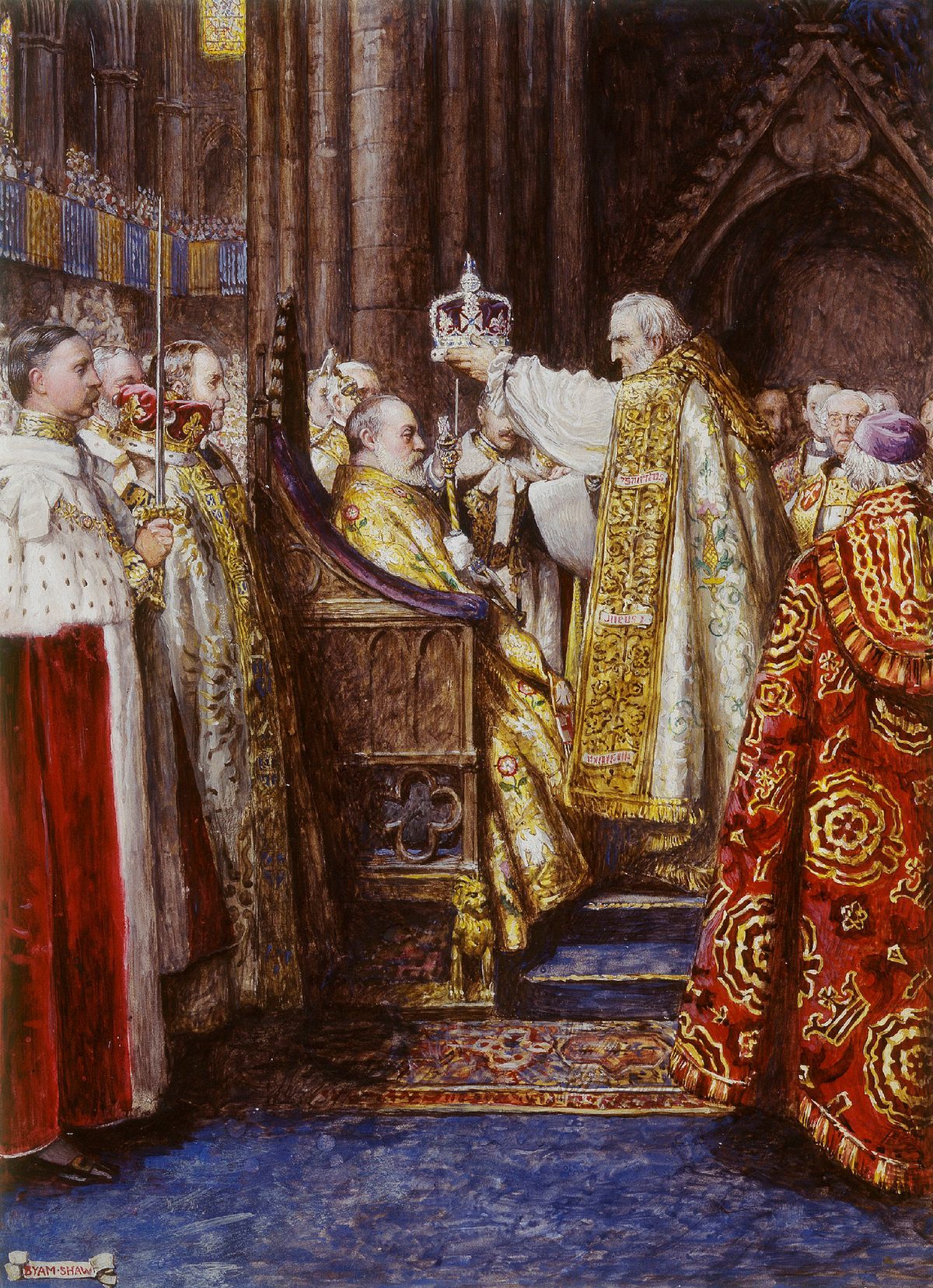
The coronation, postponed to August 9, saw Edward VII triumphantly enter Westminster Abbey, his spirit undaunted, his body recovering. A kingdom united in loyalty now paid homage to a man who had literally risen from his sickbed, tying his reign to the awe-inspiring thread of human endurance and historic inevitability.
Invoking a celebratory exuberance that colored the Edwardian Era, Edward VII’s reign commenced with the shadows of near calamity dispelled by the light of an enduring legacy. His love for the arts and vigor began transforming the social fabric of his realm. The King’s ability to adapt and surge renewed made him both an enduring symbol and a champion for a newly vibrant generation linked as much to the past as to the present.
Echoes of Courage Today
The legacy of that tense moment resonates with admiration. We witness, in Edward VII's ordeal, a perpetual monarchy reaffirming itself through resilience. In today's rapidly shifting world, there remains much to glean from the human story enacted within the walls of Buckingham Palace. It’s a tapestry woven from historical reverence and modern resolve.
As Charles III leads the United Kingdom through a new century, the spirit of Edward VII’s coronation saga inspires continuity, underscored by nobility and grace under exceptional circumstances. Just as Edward's decisive confrontation with fate set a president, it is ensured that the Crown—and the indomitable spirit it represents—remains the heart of a storied nation.
📷 Photo: John Byam Liston Shaw. Public domain via Wikimedia Commons.