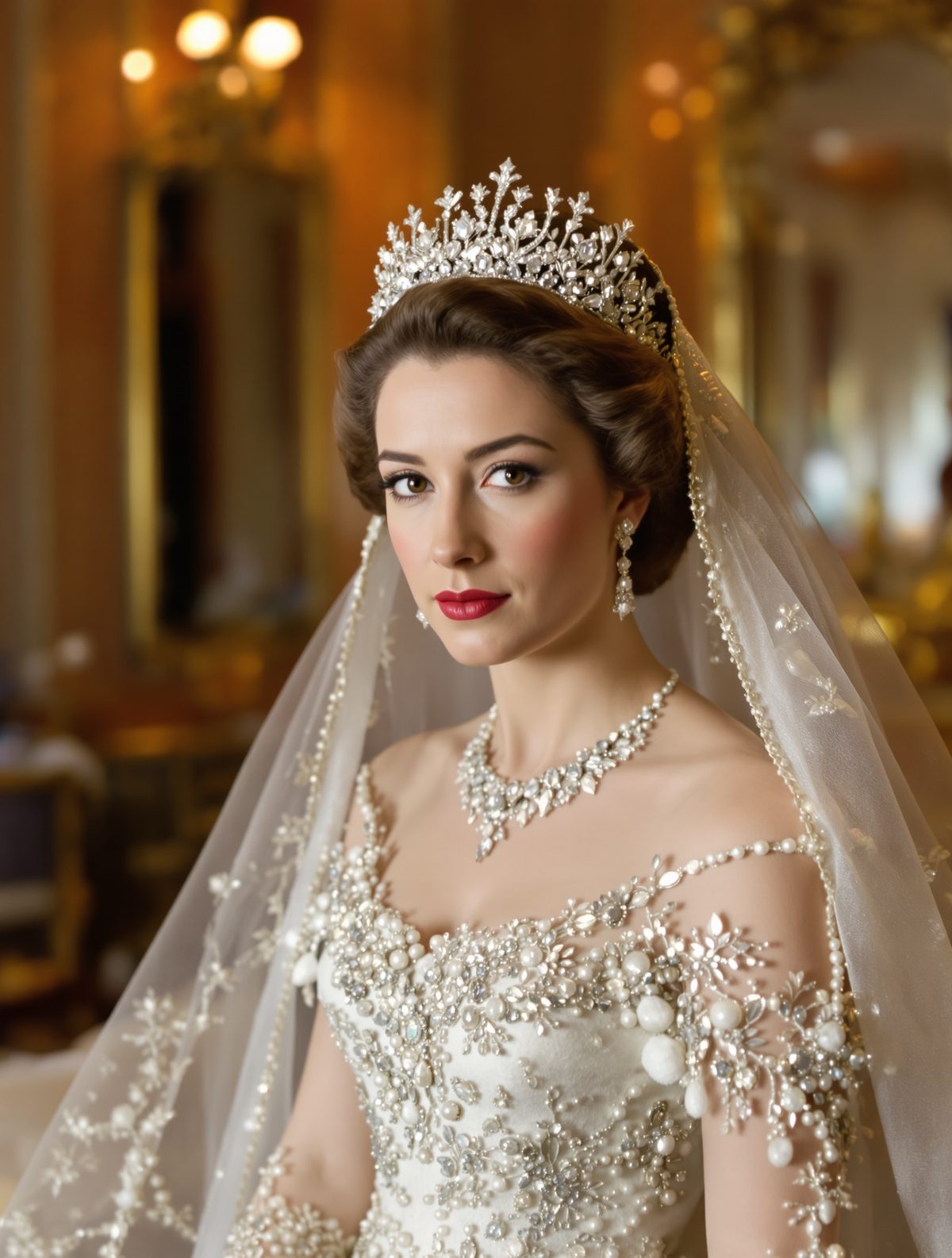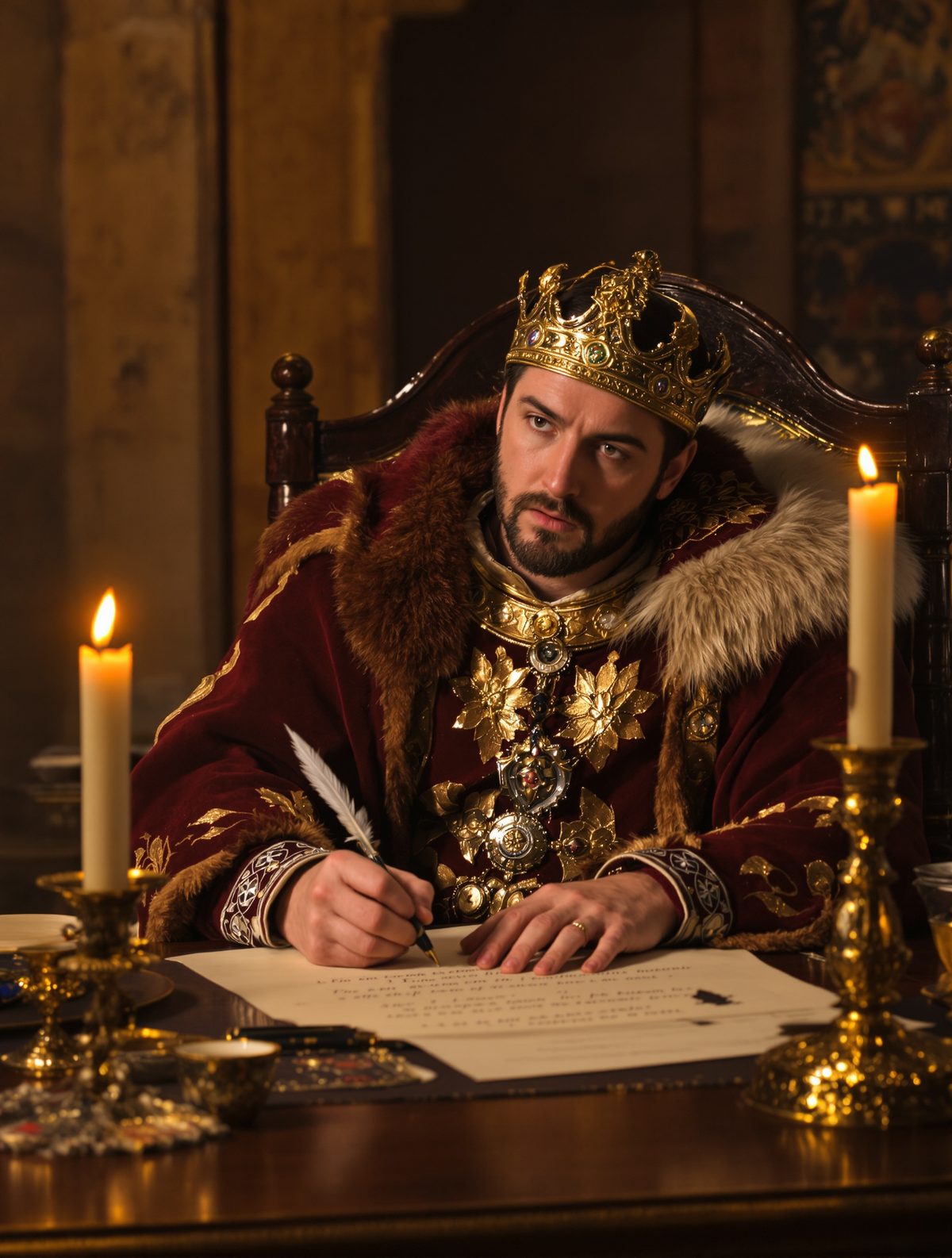
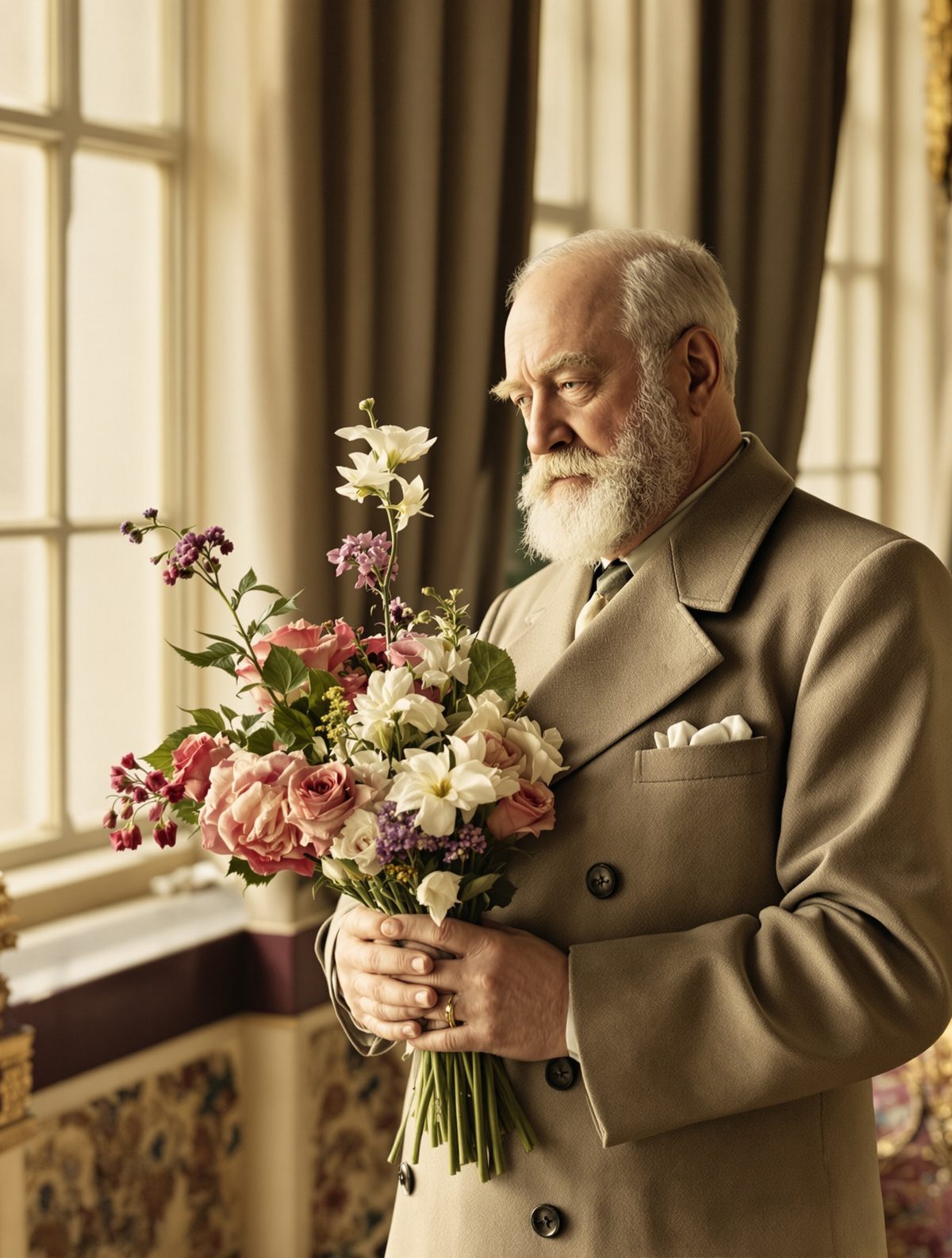
Behind the grandeur of Edwardian court life, where protocol dictated every movement and servants anticipated every royal need, Britain's King Edward VII guarded one precious secret. Each dawn, as Buckingham Palace stirred to life, the portly monarch would slip away from his apartments on a mission no courtier could undertake for him. In his hands, he carried not state papers or ceremonial regalia, but something far more precious—fresh flowers he had personally selected from the palace gardens for the woman who had captured his heart decades earlier.
A Love That Bloomed Against All Odds
The romance between Edward VII and Queen Alexandra began as a carefully orchestrated royal arrangement, but blossomed into something genuinely extraordinary. When the young Prince of Wales first met Princess Alexandra of Denmark in 1861, few could have predicted that their union would evolve into one of the most enduring love stories in British royal history.
Alexandra, known as "Alix" to her intimates, brought a warmth and vivacity to the British court that had been sorely missing. Despite suffering from otosclerosis—a condition that left her increasingly deaf throughout her life—she possessed an infectious joie de vivre that captivated not only her husband but the entire nation. Her partial deafness, rather than isolating her, seemed to create an intimate bubble around the royal couple, forcing them to communicate through gestures, touches, and small acts of devotion that spoke louder than words.
Edward, often portrayed by historians as a pleasure-seeking monarch more interested in his mistresses and gambling than matters of state, revealed a surprisingly tender side in his private moments with Alexandra. While his public indiscretions were the talk of London society, those closest to the royal household witnessed daily evidence of his genuine affection for his queen.
The Dawn Ritual That Defined a Marriage
Every morning for over two decades, Edward VII would rise before the palace officially awakened and make his way to the meticulously maintained royal gardens. This wasn't a casual stroll—it was a purposeful mission conducted with the precision of a state ceremony, yet infused with the intimacy of a lover's gesture.
The King would personally select each bloom, considering the season's offerings with the care of a master florist. Spring mornings might yield delicate daffodils and early roses, while summer brought lavender, sweet peas, and the vibrant blooms that flourished in the palace's protected courtyards. He understood Alexandra's preferences intimately—her love for simple wildflowers over elaborate hothouse specimens, her particular fondness for anything with a sweet fragrance that might compensate for her diminished hearing.
The ritual was Edward's alone. Palace staff, trained to anticipate and fulfill every royal need, were strictly forbidden from interfering with this morning ceremony. Even the most senior courtiers understood that this was sacred territory. The King's valet might lay out his informal clothes for the garden expedition, but from that point forward, Edward VII became simply a devoted husband performing an act of love.
What makes this gesture particularly poignant is how it accommodated Alexandra's deafness. Her condition meant she rarely heard footsteps approaching or doors opening—sounds that might alert others to someone's presence. But rather than viewing this as a limitation, Edward transformed it into an opportunity for surprise and delight. He could enter her chambers silently, arrange his carefully chosen blooms on her breakfast tray, and retreat before she awakened, leaving behind only beauty and the lingering scent of fresh flowers.
More Than Flowers: Understanding the Language of Love
The Victorian and Edwardian eras were steeped in the symbolism of flowers, and Edward's choices were never random. During this period, floriography—the language of flowers—was a sophisticated form of communication, particularly between lovers. Each bloom carried meaning, each color conveyed emotion.
According to court observers, Edward showed remarkable consistency in his selections, often choosing flowers that symbolized constancy, devotion, and enduring love. White roses spoke of pure love, while forget-me-nots promised true love and remembrance. When Alexandra was unwell—which happened frequently as she aged—Edward might choose flowers associated with healing and hope.
The breakfast tray itself became a canvas for his affection. Palace staff reported that the King was particular about the arrangement, often adjusting the placement multiple times until the composition pleased him. This wasn't mere perfectionism; it was the attention to detail of someone who understood that small gestures, when performed with consistency and care, carry profound emotional weight.
Alexandra's response to these daily gifts reveals much about their relationship's dynamic. Rather than taking them for granted, she reportedly treasured each morning's surprise, often pressing flowers between the pages of books or asking her ladies-in-waiting to preserve particularly beautiful specimens. Her rooms were said to be filled with small vases containing Edward's daily offerings, creating a private garden within the palace walls.
A Royal Marriage Behind Palace Walls
This morning ritual takes on deeper significance when viewed against the backdrop of royal marriage expectations during the early 20th century. Royal couples were expected to be partners in duty first, with personal happiness being secondary to the needs of the monarchy. Public displays of affection were considered unseemly, and married life was often conducted with formal politeness rather than genuine intimacy.
Edward and Alexandra's relationship challenged these conventions in subtle but meaningful ways. While they maintained proper royal decorum in public, their private life was marked by warmth and genuine companionship. The flower ritual represents something revolutionary for its time—a king who prioritized his wife's emotional well-being and took personal responsibility for her daily happiness.
Contemporary accounts from palace staff paint a picture of a couple who had developed their own private language of love. Alexandra's deafness meant that Edward often communicated through touch and visual cues, creating an intimacy that transcended the formal constraints of royal protocol. The morning flowers were part of this private vocabulary—a daily love letter written in petals and perfume.
Even during periods when Edward's attention wandered to other women—as it undoubtedly did—the flower ritual continued uninterrupted. This consistency suggests that whatever else may have complicated their marriage, Edward's fundamental devotion to Alexandra remained constant. The flowers were not gestures of guilt or attempts at appeasement; they were expressions of a love that endured despite human frailty.
Legacy of Small Gestures
When Edward VII died in 1910, Alexandra was devastated. Those close to the royal family reported that among her most profound grief was the knowledge that her breakfast tray would never again surprise her with fresh flowers chosen by loving hands. The ritual that had marked nearly every morning of their marriage had ended, leaving behind a silence more profound than her deafness had ever created.
This simple story of daily devotion offers modern readers something precious: proof that even in the rarified world of monarchy, authentic love expresses itself through small, consistent acts of care. In our age of grand romantic gestures and social media declarations, there's something deeply moving about a king who found his truest expression of love in the quiet selection of morning flowers.
The tale of Edward's secret ritual resonates today because it reminds us that love is less about dramatic moments and more about daily choices to prioritize another's happiness. In a world where royal marriages often seem like carefully choreographed performances, Edward and Alexandra's flower-scented mornings reveal the profound power of genuine tenderness, sustained over decades and expressed in the most beautiful way possible—through small acts of love that cost nothing but mean everything.