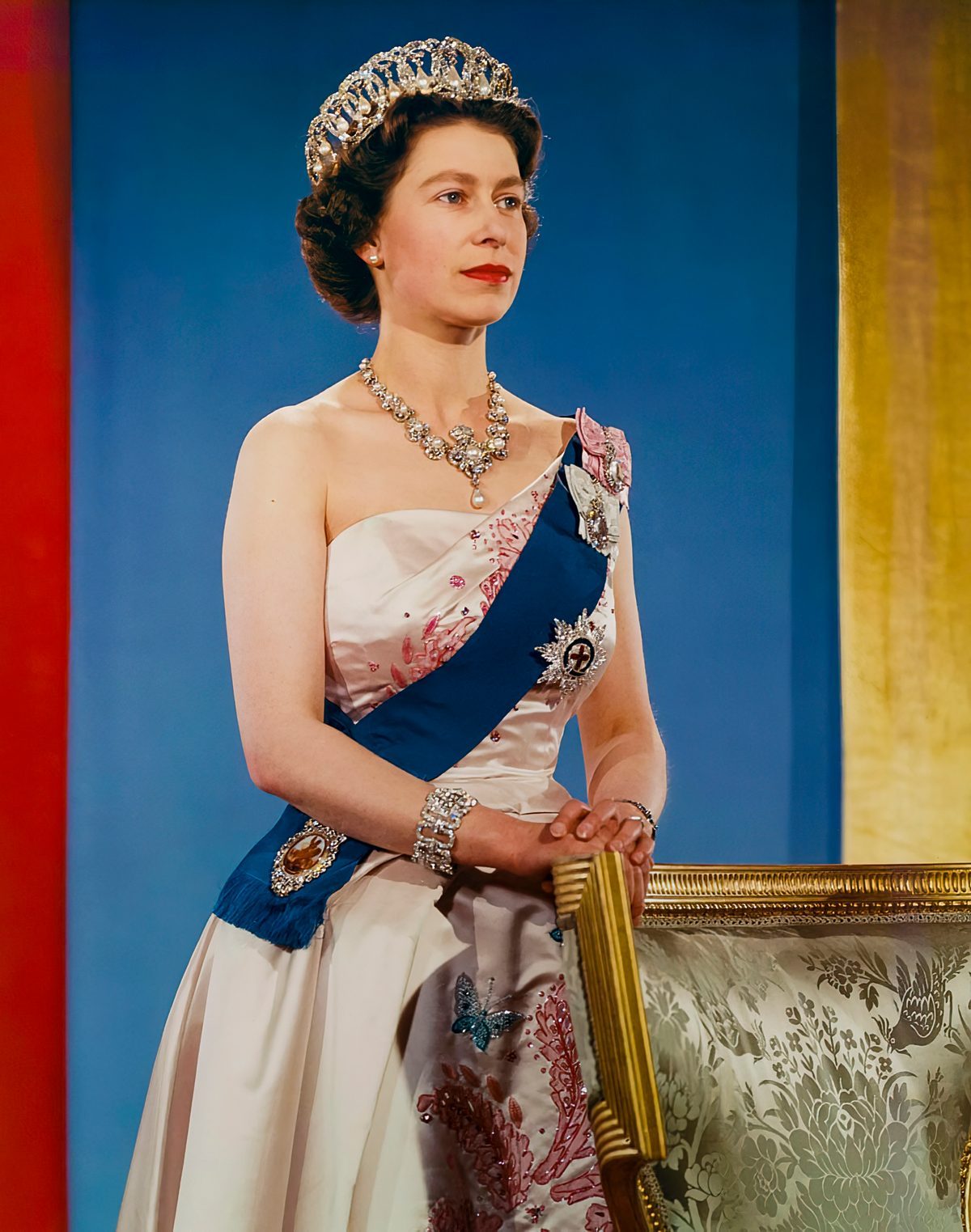
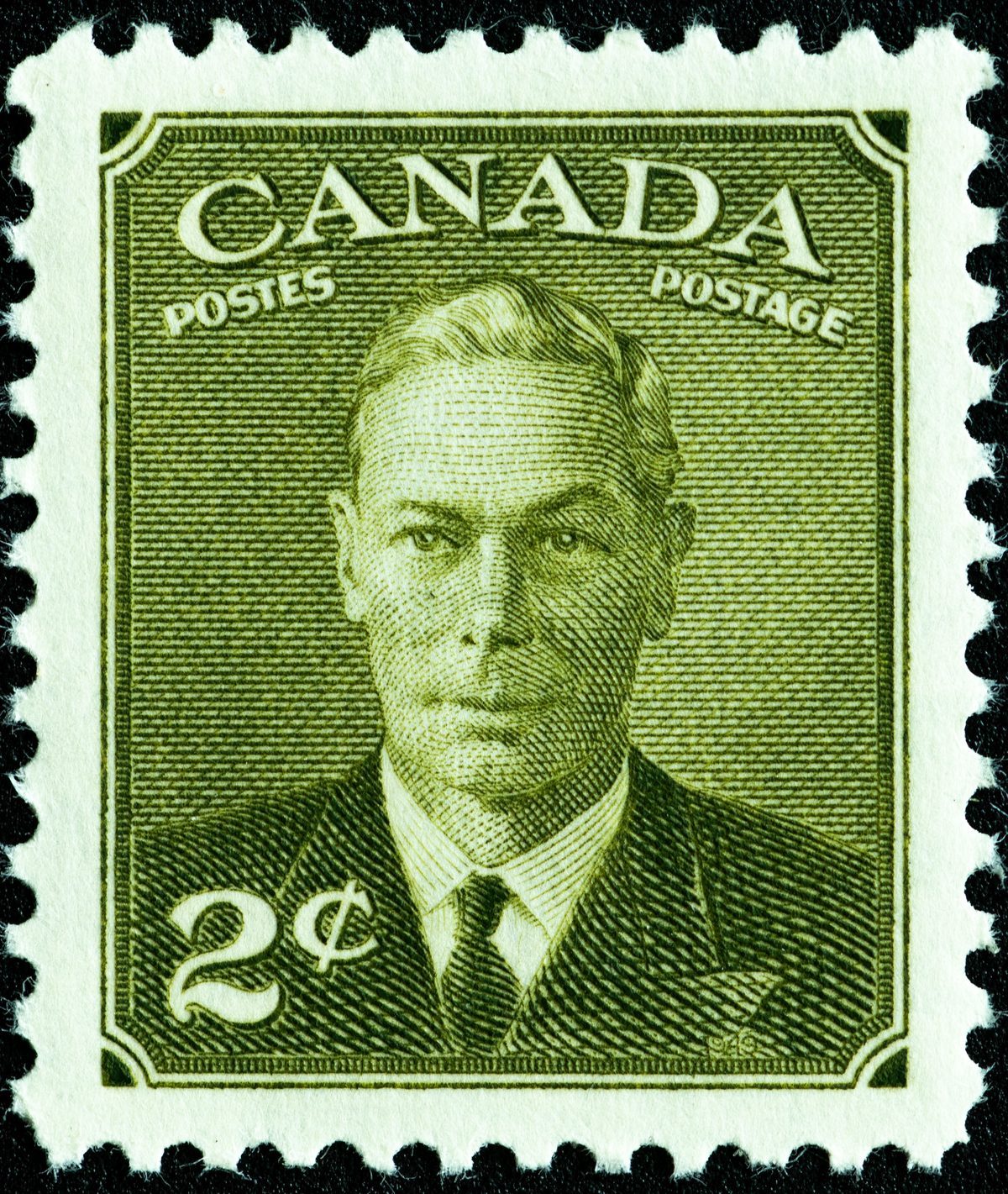
On a bitterly cold February morning in 1952, the wind whipped fiercely through the air at Heathrow Airport, a place just finding its modern identity. Amidst the chill stood a figure imbued with regality and frailty—King George VI. Despite his declining health, he was there for a singular purpose: to bid farewell to his daughter, Princess Elizabeth, before her Commonwealth tour. That gentle wave amid the whirlwind of frost-laden breezes would come to signify an enduring moment in royal history, marking the last time father and daughter would lay eyes upon one another.
The Stillness Before the Journey
In the early 1950s, the world was still finding its footing after the ravages of the Second World War and the changing tides of global power dynamics. For the British monarchy, it was a period of both tradition and transformation. King George VI, though battling severe health issues, remained a stoic symbol of duty and familial affection. Overlooked by the edifice of royal duty was a father's love for his eldest daughter, Elizabeth, who was on the cusp of great responsibility.
Heathrow, not yet the bustling hub it is today, provided a dramatic stage against the muted grey of an English winter sky. As the King stood, resolute against the elements, he personified an era on the verge of profound change. His presence on the tarmac was as much personal as it was public; a gesture that underscored not only his dedication to the realm but also his deep paternal devotion. Elizabeth, then a young mother and poised to be Queen, was embarking on a journey destined to shape her future forever.
A Father's Unwavering Strength
King George VI's reign had not been without its trials. His unexpected ascension to the throne in 1936 following the abdication crisis had thrust him into an unforeseen role, one he accepted with unwavering perseverance. Known for his quiet courage, he guided the nation through the Second World War, emerging as a symbol of endurance and resilience.
In the private sanctum of his family, George VI was not just king; he was husband, father, and to those closest to him, Bertie—his familial nickname. His relationship with Elizabeth was of particular significance, rooted in the mutual respect and affection they shared. Even as his health waned, the King made it clear that his daughter's progression into her future role was paramount.
As he watched Elizabeth board the plane that fateful day, George VI was a portrait of resolve, acknowledging the weight of imminent history with quiet dignity. Despite the cold gripping his ailing body, his determination to see her off in person stood testament to the depth of their bond.
The Human Story Behind the Crown
As the final preparations for takeoff were made, the royal entourage mirrored the somber yet hopeful atmosphere. Elizabeth, well aware of her father's health struggles, had undoubtedly sensed the gravity of the moment. In her father’s eyes, she saw the reflection of his trust in her capabilities and his silent blessing for the road ahead.
The events of that morning extend beyond the procedural farewell of royalty. It's a narrative of family, of the connective threads that run deeper than titles and crowns. In essence, it was a moment shared between a father bidding farewell to his child, not just a monarch seeing off his heir. This poignant goodbye speaks volumes about personal sacrifice and the relentless duty that defines the life of a royal – themes that remain as relevant today as they were then.
An End, A Beginning
A few days later, on February 6, 1952, King George VI passed away quietly in his sleep at Sandringham House. Elizabeth, now thrust more suddenly than anticipated into the role of sovereign, was informed of her father's death while she was in Kenya. It was a seismic shift, marking the end of one era and the dawning of another.
The subsequent decades would see Elizabeth grow into one of the most enduring monarchs in British history. Her reign has been one of unprecedented longevity and respect, carried out with the same sense of duty and poise that characterized her father’s own time on the throne.
As contemporary royal watchers look back on that February morning, they find an echo of a timeless theme—the balance of public duty with private love. King George VI’s farewell to his daughter was not merely the closing act of his life and reign but a bridge passed on to Elizabeth, ensuring the continuity and stability of the monarchy even in times of deep personal sorrow.
Today, as the British monarchy continues to evolve, the legacy of that fateful February morning remains vividly alive. It serves as a poignant reminder of the human emotions entwined with the pomp and circumstance of royal duties, a legacy that inspires admiration and respect far beyond the confines of Britain’s borders.
📷 Photo: Hayden Soloviev. CC BY 4.0 via Wikimedia Commons.