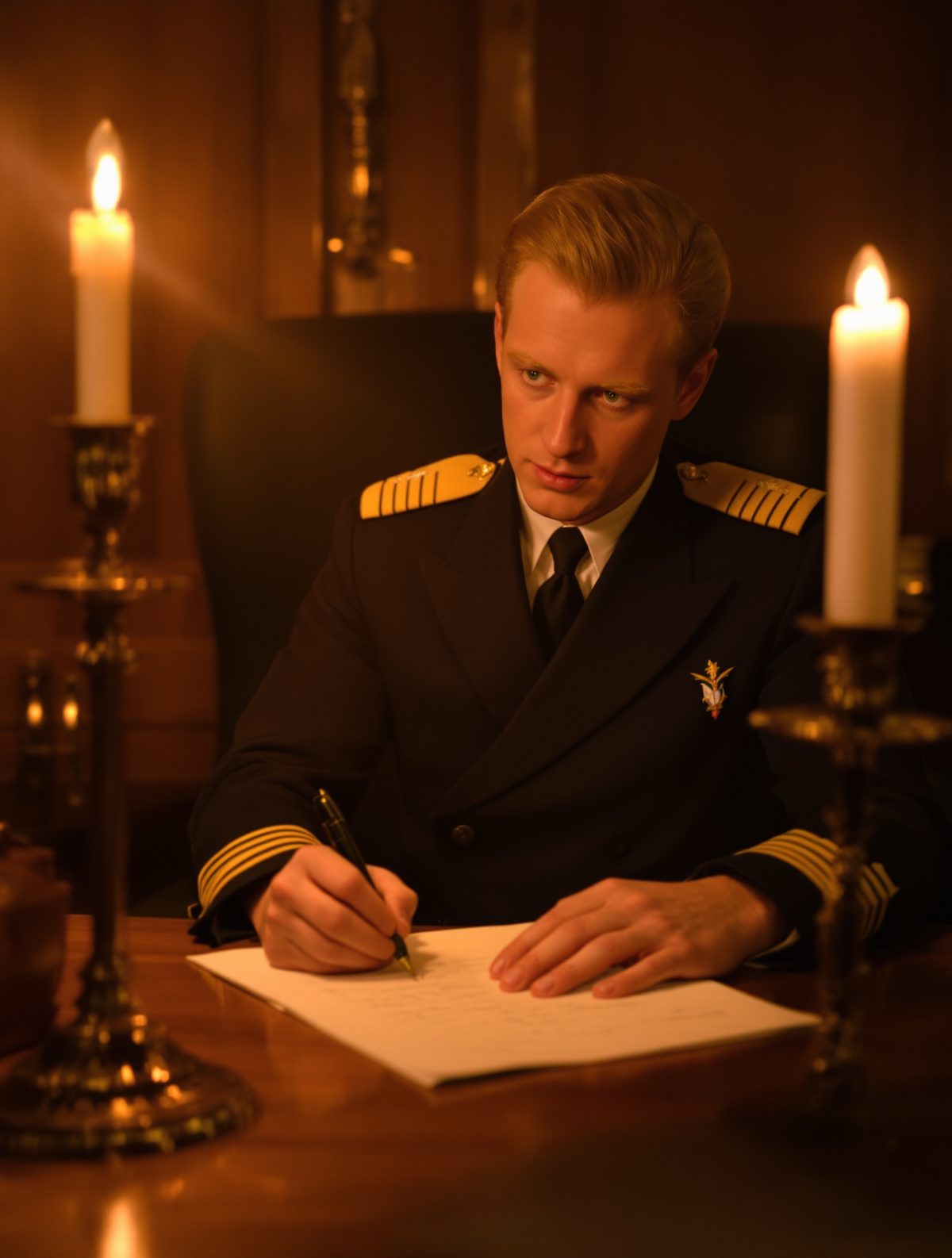
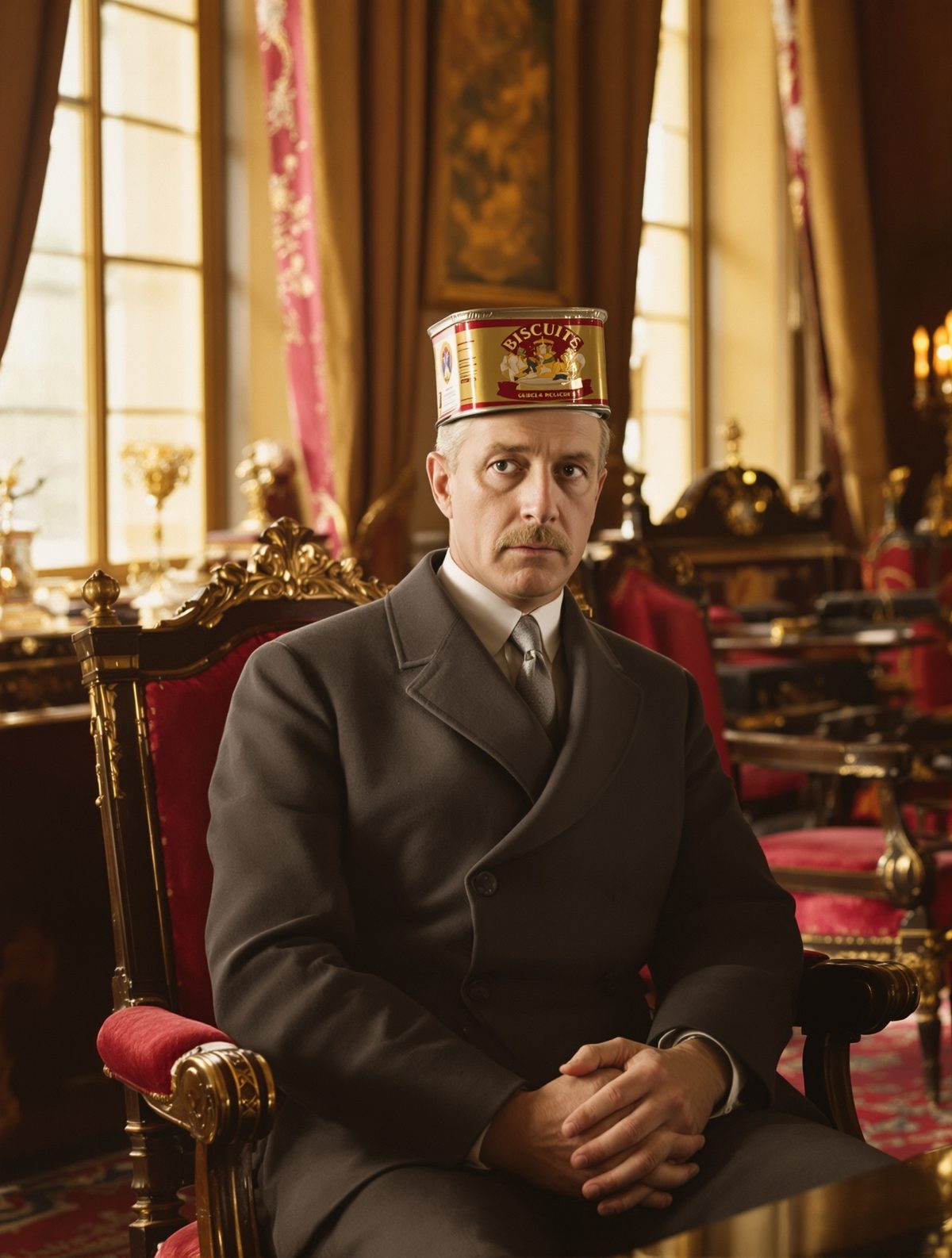
Behind the grand oak doors of Buckingham Palace in early 1937, an extraordinary scene was unfolding. The man who would become one of Britain's most beloved monarchs sat hunched over his desk, a humble McVitie's biscuit tin perched precariously on his head. King George VI, thrust unexpectedly onto the throne after his brother's abdication, was desperately preparing for a coronation he had never imagined would be his own.
The sight would have been almost comical if it weren't so poignant. Here was a reluctant king, battling a severe speech impediment and crippling anxiety, reduced to practicing the most sacred ceremony in British constitutional life with household objects. Yet this humble preparation would prove to be the foundation of one of the monarchy's finest hours.
A Crown He Never Expected to Wear
When Edward VIII abdicated in December 1936, his younger brother Albert—who would take the regnal name George VI—was catapulted from the comfortable shadows of royal life into the blazing spotlight of kingship. The coronation, already planned for May 12, 1937, would proceed as scheduled, but with a different man wearing the crown.
For George VI, the prospect was nothing short of terrifying. Unlike his charismatic older brother, who had spent decades preparing for kingship, George was a private man who had devoted his adult life to supporting roles. His debilitating stammer, which had plagued him since childhood, made public speaking an ordeal. Now he faced the ultimate public performance: a coronation ceremony that would be broadcast live to millions across the Empire.
The King understood that the three-hour ceremony at Westminster Abbey would demand not just physical endurance, but perfect timing and coordination. Every gesture would be scrutinized, every word broadcast across the globe. There could be no mistakes, no stumbles, no visible signs of the terror that consumed him in private.
The Ingenious Practice Regime
Determined to master every aspect of the ceremony, George VI embarked on an intensive preparation regime that would have impressed even the most dedicated actor. But the St. Edward's Crown—the magnificent piece that would actually crown him—was far too precious and historically significant to use for practice sessions. Made of solid gold and set with semi-precious stones, the crown is worth millions and is kept under the strictest security at the Tower of London.
The King's solution was charmingly practical: a McVitie's biscuit tin would stand in for the crown during his rehearsals. The humble container, likely chosen for its appropriate weight and size, became an unlikely prop in one of the most important preparations in modern royal history. Day after day, George VI would balance the tin on his head, learning to walk with the measured dignity required of a monarch while maintaining perfect posture.
These private rehearsals took place in his study at Buckingham Palace, away from the prying eyes of courtiers and staff. The King would practice the complex choreography of the ceremony: the slow, processional walk down the Abbey's nave, the precise movements required during the anointing, and perhaps most challengingly, maintaining composure while wearing heavy regalia for hours.
Mastering the Ceremony's Complexities
The coronation ceremony is one of the oldest and most intricate rituals in the world, virtually unchanged for over a thousand years. Beyond simply wearing the crown, George VI had to master an elaborate sequence of symbolic acts, each laden with constitutional and religious significance. The ceremony includes multiple costume changes, sacred oaths, the presentation of various regalia, and of course, the crucial moments when the Archbishop of Canterbury would anoint and crown the new sovereign.
Working closely with the Earl Marshal and other court officials, the King rehearsed not just his movements but his responses to the Archbishop's words. Every pause, every bow, every step had to be perfectly timed. The weight of the various crowns and regalia—including the Imperial State Crown he would wear for the procession back to Buckingham Palace—required significant physical preparation.
Perhaps most crucially, George VI worked intensively with his speech therapist, Lionel Logue, to prepare for the verbal elements of the ceremony. The King would need to speak clearly and confidently during the coronation oath, and later deliver a radio address to his subjects across the Empire. The combination of his stammer and the acoustic challenges of Westminster Abbey made this preparation absolutely vital.
The Hidden Support Network
While the image of the King practicing alone with his biscuit tin captures the isolation of his position, George VI was actually supported by a devoted team of advisors and family members. Queen Elizabeth—later beloved as the Queen Mother—provided unwavering emotional support, attending rehearsals and offering gentle encouragement. She too was preparing for her own coronation as Queen Consort, learning the intricate protocols that would govern her every movement during the ceremony.
The couple's daughters, eleven-year-old Princess Elizabeth and six-year-old Princess Margaret, brought lighter moments to the intense preparation period. Young Princess Elizabeth, who would herself be crowned sixteen years later, watched some of the rehearsals with fascination, perhaps storing away memories that would serve her well in 1953.
Behind the scenes, dozens of palace staff worked to ensure every detail was perfect. From the positioning of cameras for the BBC's broadcast to the precise temperature control in Westminster Abbey, no element was left to chance. The King's private secretaries coordinated with government officials to ensure the constitutional elements of the ceremony proceeded flawlessly.
Triumph from Humble Beginnings
When May 12, 1937 dawned, George VI's weeks of practice with makeshift props paid off magnificently. The coronation proceeded without a single significant error. The King, who had been terrified of stumbling over his words or fumbling with the regalia, delivered a performance of quiet dignity that won the hearts of his subjects. His obvious nervousness, rather than detracting from the ceremony, made him appear more human and relatable than his predecessors.
The transformation was remarkable. The man who had practiced with a biscuit tin emerged from Westminster Abbey as a confident sovereign, ready to lead Britain through the gathering storm clouds of the late 1930s. His subsequent leadership during World War II, when he and Queen Elizabeth refused to leave London during the Blitz, vindicated every moment of preparation.
Today, as we witness the continued evolution of the monarchy, George VI's story reminds us that true majesty often emerges from the most humble circumstances. His willingness to practice with whatever tools were available, combined with his determination to serve his country despite personal obstacles, exemplifies the very best of royal duty. The biscuit tin may have been an unconventional prop, but it helped prepare a king who would become a symbol of resilience, dedication, and quiet courage for generations to come.