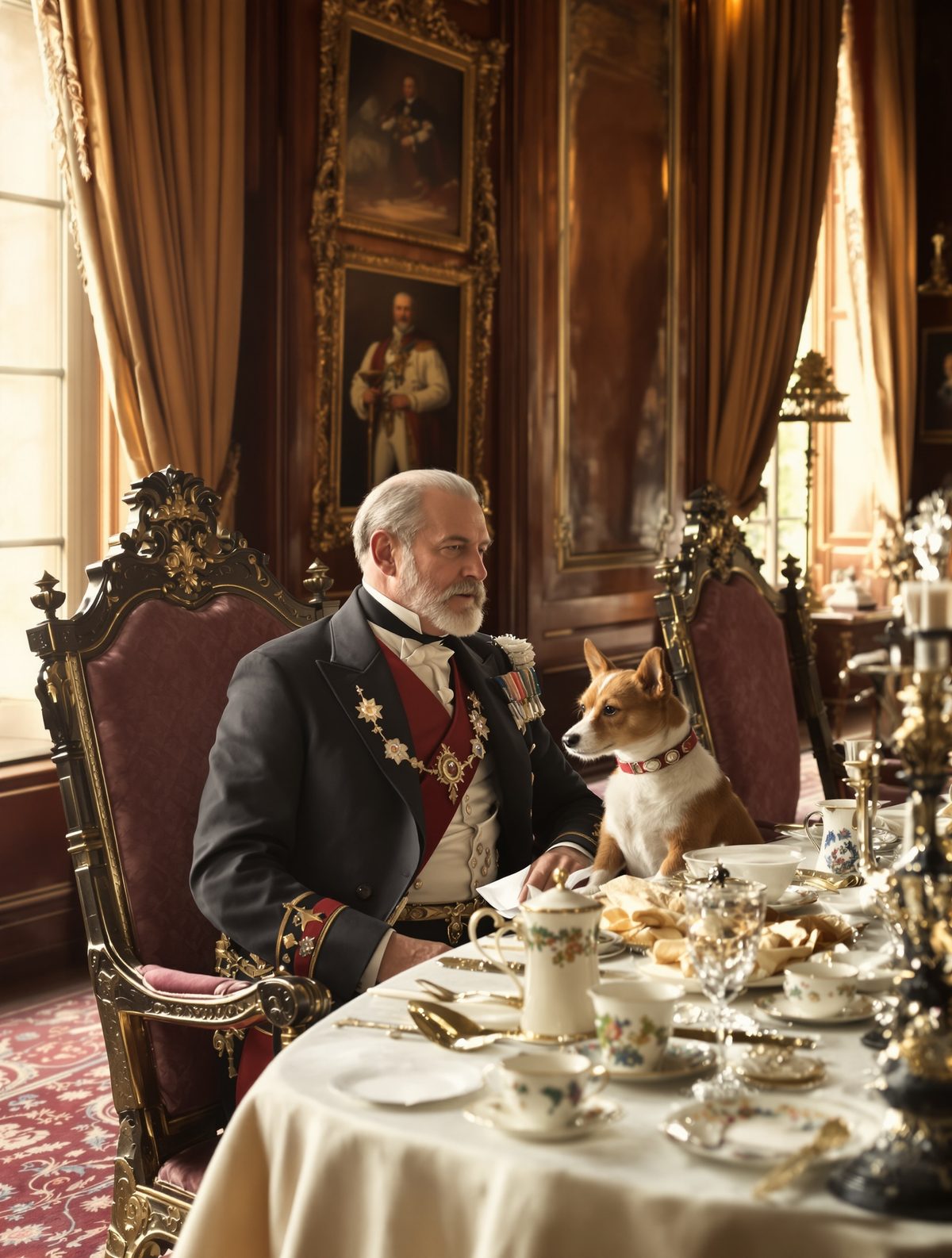
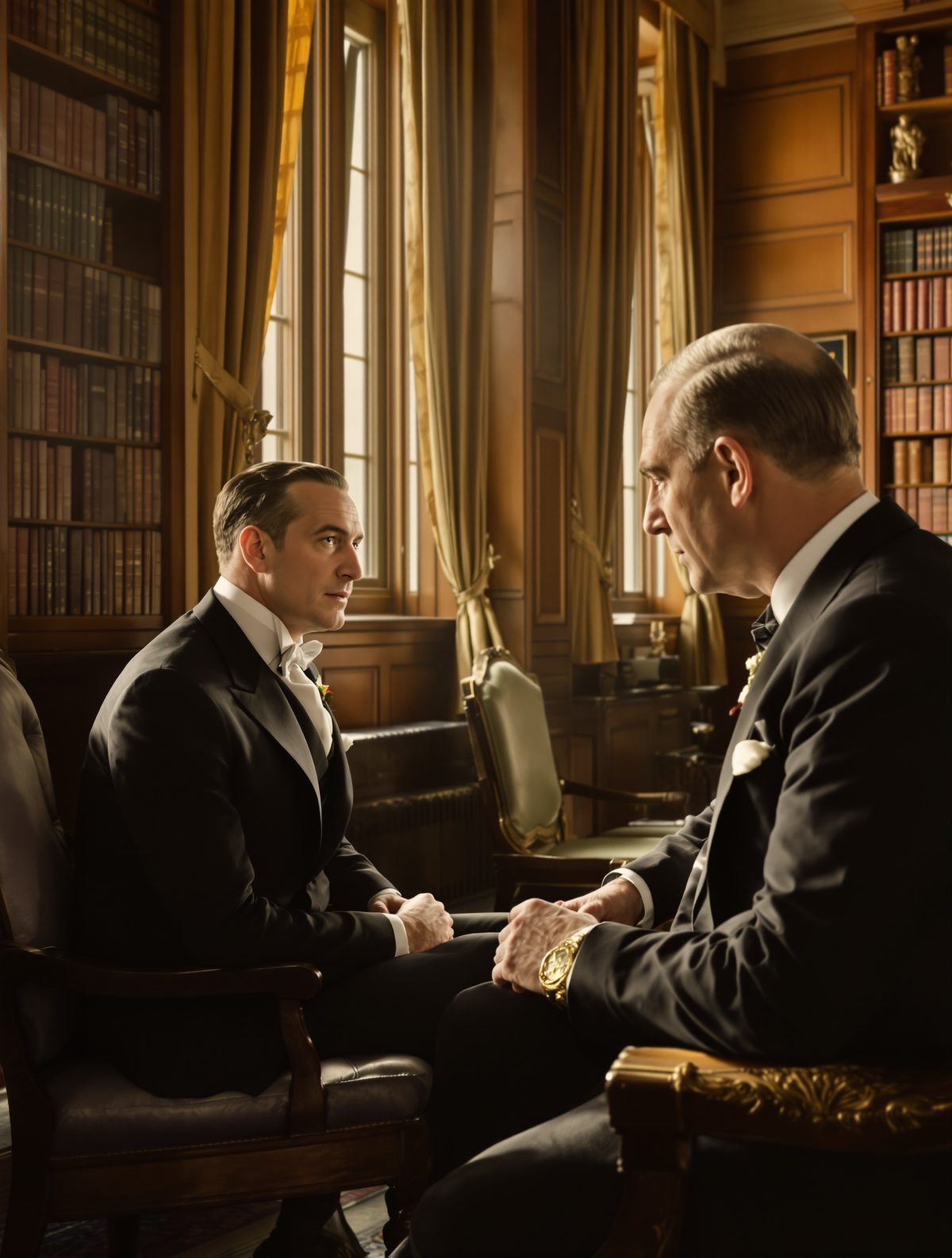
The sound of profanity echoing through the corridors of 145 Harley Street was hardly what one might expect from a future king's speech therapy session. Yet there was Prince Albert, Duke of York—later to become King George VI—bellowing expletives at the top of his lungs on the orders of an unconventional Australian speech therapist named Lionel Logue. When word of these unorthodox methods reached the ears of his wife, the Duchess of York (later Queen Elizabeth, the Queen Mother), she was nothing short of scandalized.
An Unlikely Partnership Born from Desperation
The year was 1926, and Prince Albert's debilitating stammer had become a source of acute embarrassment for the royal family. His struggle with speech had plagued him since childhood, manifesting in painful, drawn-out pauses that turned public speaking into an ordeal of national significance. Traditional elocution lessons and conventional medical treatments had all failed spectacularly.
It was the Duchess herself who had initially sought out Lionel Logue, though she would later come to regret this decision. The Australian had established himself as something of a maverick in London's speech therapy circles, treating shell-shocked soldiers returning from the Great War with methods that were considered radical for the time. His approach was holistic, treating not just the mechanical aspects of speech but the psychological roots of communication difficulties.
When Logue first encountered the Duke in his modest consulting rooms—a far cry from the palatial settings the prince was accustomed to—he insisted on treating him not as royalty, but simply as a man with a speech impediment. This democratic approach was the first of many aspects of Logue's methodology that would raise eyebrows at Buckingham Palace.
Shocking Methods Behind Palace Walls
Logue's treatment regimen would have seemed utterly preposterous to the rigid court protocol of the 1920s. The speech therapist believed that physical tension was intrinsically linked to speech difficulties, so he instructed the Duke to perform a series of exercises that pushed the boundaries of royal dignity. Rolling on the floor to relax his muscles, singing popular songs to improve his breathing, and yes, shouting profanities to overcome his psychological blocks—all were part of Logue's unconventional arsenal.
The swearing exercise was particularly controversial. Logue had observed that his royal patient's stammer virtually disappeared when he was angry or frustrated, leading him to conclude that the Duke's perfectionism and fear of making mistakes were exacerbating his condition. By encouraging him to use "forbidden" words, Logue was helping to break down the psychological barriers that had been built up over years of royal conditioning.
The physical exercises were equally unconventional. Logue would have the Duke lie flat on his back, teaching him proper diaphragmatic breathing techniques. He encouraged vigorous tongue and jaw exercises, often requiring the future king to make faces that would have horrified court photographers. These methods flew in the face of everything the royal household understood about proper deportment and regal bearing.
The Queen Mother's Royal Rage
When reports of these undignified sessions reached the Duchess of York, her reaction was swift and uncompromising. Here was her husband—a man who might one day be king—being treated like a common patient rather than royalty. The idea that he was being encouraged to curse, roll about on floors, and engage in what she saw as theatrical tomfoolery was absolutely unacceptable.
The Duchess demanded an immediate audience with Logue, during which she reportedly made her displeasure abundantly clear. The speech therapist's refusal to treat the Duke with the deference she felt was his due only fueled her anger further. Logue had committed the cardinal sin of treating royalty as equals, addressing the Duke by his first name and insisting on a relationship based on mutual respect rather than subservience.
Palace courtiers, already suspicious of this colonial upstart who lacked proper medical qualifications, seized upon the Duchess's complaints. They whispered that Logue's methods were undignified, that his informal manner was inappropriate, and that surely a member of the royal family deserved treatment from someone with more prestigious credentials. The pressure mounted for the Duke to find a more "suitable" therapist—preferably one with a Harley Street pedigree and an understanding of royal protocol.
A Future King's Quiet Rebellion
What neither the Duchess nor the court officials fully appreciated was the remarkable progress the Duke had been making under Logue's care. For the first time in his life, Prince Albert was experiencing genuine improvement in his speech. More importantly, he was developing confidence in his ability to communicate effectively—a crucial skill for any member of the royal family, but absolutely essential for a potential king.
The Duke's refusal to dismiss Logue represented a rare moment of personal rebellion against the institutional machinery of the monarchy. Despite the mounting pressure from his wife and the court, he quietly continued his sessions, recognizing that his unusual therapist offered something no conventional treatment had provided: hope.
Vindication Through Crisis
The true test of Logue's methods would come with the abdication crisis of 1936. When King Edward VIII chose love over duty, Prince Albert found himself thrust into a role he had never wanted and felt completely unprepared for. Suddenly, the man who had struggled with public speaking his entire life was required to address not just the British people, but the entire Commonwealth.
It was Logue who stood by the new King George VI as he prepared for his coronation speech, and later, for the momentous radio address that would mark Britain's entry into the Second World War. The Australian's unorthodox methods had indeed saved the monarchy, providing the stammering prince with the tools he needed to become the inspiring wartime king the nation desperately required.
The Queen Mother's initial hostility toward Logue gradually transformed into grudging respect, and eventually into genuine affection. She came to understand that the unconventional therapist had given her husband something far more valuable than mere elocution lessons—he had restored the King's faith in himself.
Today, as we witness the current generation of royals speaking with confidence and authenticity to global audiences, we might reflect on how much we owe to an unorthodox Australian who dared to treat a future king as simply a human being in need of help. Sometimes the greatest service to the Crown comes not from blind adherence to protocol, but from the courage to break with convention when something far more precious hangs in the balance.