Imagine a stately palace echoing with the cries of labor, a room draped in the opulence of Victorian England yet vibrating with the raw tension and emotion of an ordinary human miracle. It is here, in these moments of indescribable vulnerability and power, that we find Prince Albert, standing steadfast by Queen Victoria's side with unyielding devotion. In an era where royal protocol deemed men should remain at a detached distance during childbirth, Albert's presence in the birthing chamber was a profound testament to love and partnership—a warmth and humanity that transcended the rigid formality of royal life.
The Birth of a New Tradition
During the early Victorian era, the royal birthing room was a female domain, governed by doctors and midwives, most of whom were men, and yet starkly devoid of the comforting presence of husbands and fathers-to-be. For queens and noblewomen alike, childbirth largely unfolded behind closed doors, with royal husbands relegated to distant rooms within the palace, awaiting news.
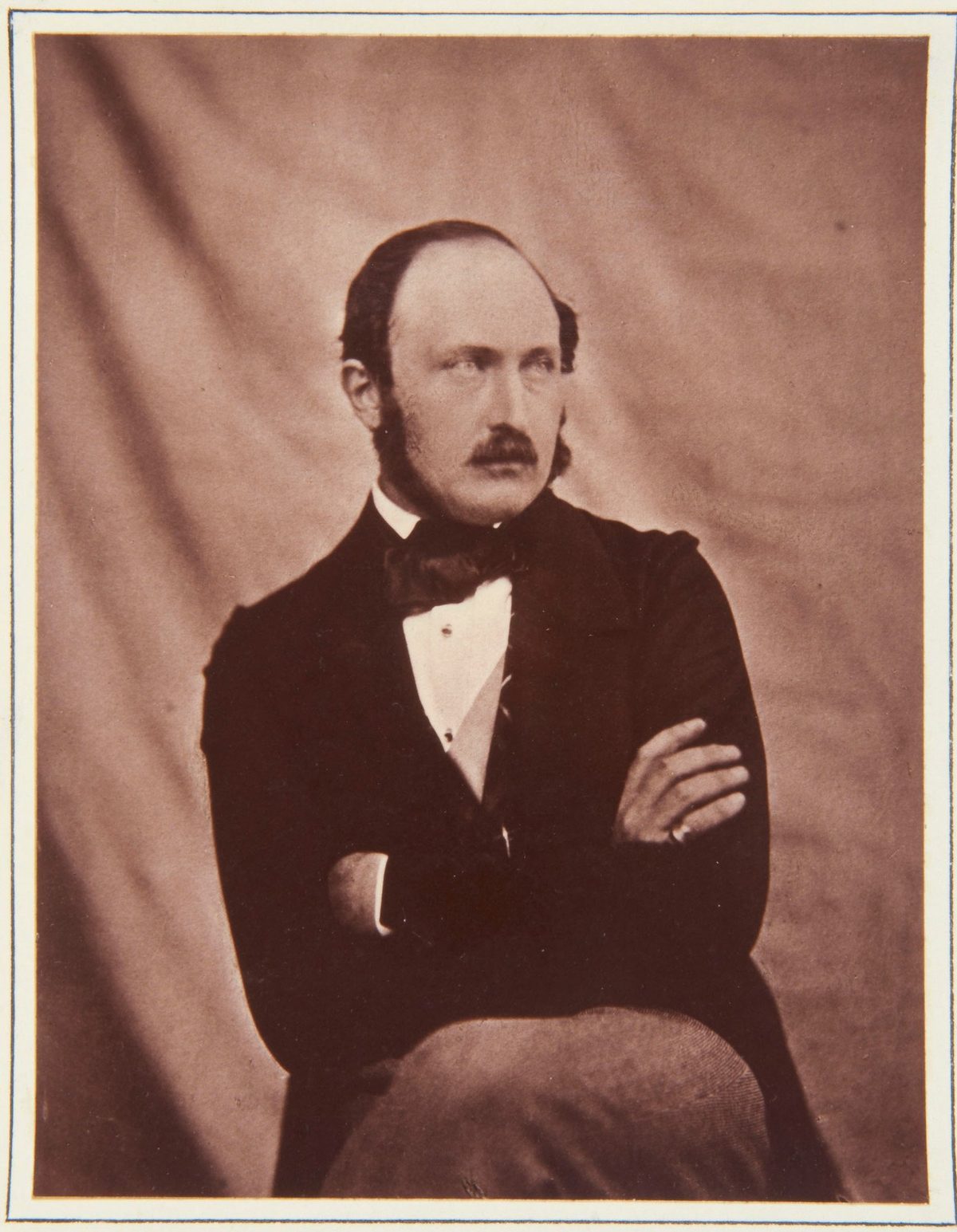
However, Prince Albert, the handsome and earnest consort to Queen Victoria, dared to sidestep these norms. His decision to remain at Victoria's side during her labors was nothing short of revolutionary. Albert’s role in the delivery rooms where his nine children were born was significant not just for its rarity, but for the emotional solace it provided Victoria, who often described these experiences as taxing and fearsome.
Victoria documented her experiences in her journals, wherein she confessed the calming effect of Albert’s presence. For a royal couple often under the public lens, this decision to share in the profoundly intimate and human experience of childbirth became a powerful reflection of their bond—displaying to all the transformation of royal marriage from a formal alliance to a true partnership grounded in love and support.
The Melting Ice: Albert's Steadfast Devotion
Albert's compassionate actions during Victoria’s childbirths are frequently cast as deeply symbolic—melting the proverbial ice, as it were. Physically, he was beside her to hold her hand and wipe her brow, but emotionally, he provided stability. In accounts drawn from the era, Victoria described Albert as her "rock," the one constant amidst the formidable unpredictability of labor and delivery.
For Albert, his support during these times was an extension of his broader role: both as husband and as a doting father. Despite the era's prevailing attitudes which mandated a clear division between male and female roles, Albert was intensely involved in family life. He not only held Victoria’s hair back but was also reportedly hands-on with the upbringing and education of their children, laying down a legacy of paternal involvement that was revolutionary for his time.
Breaking Boundaries, Setting Examples
Albert's decision to be present at the births marked more than just a personal choice. In defying royal decorum, Albert arguably set a precedent that subtly influenced the royal family for generations. His presence in the birthing chamber began to soften the boundaries of traditional roles within royal marriage, allowing for expressions of care and partnership that were more common in the lives of their subjects than their sovereigns.
This was a departure not only in action but in philosophy—a critical shift that slowly redefined expectations around royal protocol in some aspects of private life. Though subtle at first, the impact of Albert's devoted actions heralded a broader cultural shift that resonated well beyond the confines of the palace walls, advocating a perspective where royalty was not exempt from the human experience.
A Partnership Regarded Through History
The legacy of Prince Albert and Queen Victoria is one that has often been told through the lens of their far-reaching influence on politics, culture, and an empire stretching across the globe. Yet, it is the personal story of their relationship—their genuine companionship—that continues to endear them to admirers of British royal history.
Albert’s devoted presence during Victoria’s labors symbolizes one of the most enduring aspects of their marriage. It challenges the notion of Victorian aloofness that often accompanies our understanding of the era, showing instead the profound intimacy and respect they shared.
Their story is one that resonates through the ages, reminding us in today’s fast-paced, technologically advanced world of the enduring power of personal connection and love. Both human and regal, Albert's unwavering support of Victoria during childbirth is a beautiful portrayal of what it means to truly stand by one’s partner—a vibrant heartwarming memory etched in the illustrious annals of the British monarchy.
As we reflect on the softer edges of history framed by grand empires and crown jewels, let us remember the simple, yet profoundly moving acts of love and steadfastness that shape legacies—acts that transcend time and title, echoing with the truth that, royal or not, the human heart feels universal beats.
📷 Photo: Roger Fenton. Public domain via Wikimedia Commons.