In the haunting silence of a grief-stricken Welsh valley, the air was thick with collective sorrow and disbelief. It was October 1966, and the village of Aberfan had been devastated by one of the most tragic disasters in British history. A landslide of coal waste had engulfed a primary school, crushing lives and futures in an instant. Yet amidst the debris and despair, a remarkably human moment would etch itself into the annals of royal history — the day Queen Elizabeth II arrived, sat beside a grieving child, and turned protocol on its head. Her decision to wait eight excruciating days before visiting was one of the greatest regrets of her reign, but what she did on arrival resonated more deeply than any expression of royal duty could.
The Tragedy Unfolds
On the morning of October 21, 1966, the quiet mining village of Aberfan was tragically thrust into the spotlight when a colliery spoil tip — a towering heap of mining waste — collapsed into the community below. The wave of black sludge rushed through the village, striking Pantglas Junior School at its heart. In a matter of minutes, the lives of 144 people were lost, including 116 innocent children, their dreams and laughter silenced under a thick blanket of coal.
The nation watched in horror. The shockwaves of the Aberfan disaster were felt across the UK, and the cries of the devastated village echoed in every corner of the kingdom. Despite the overwhelming public sympathy, questions lingered about the response from the British establishment, which remained frustratingly distant in the immediate aftermath.
Royal Decisions and Regret
Within the hallowed halls of Buckingham Palace, the Queen was receiving conflicting advice. Her advisors, aiming to avoid further emotional distress and logistical chaos, counseled her to delay a visit. It was not out of callousness but an effort to respect the locals' grief and avoid high-profile commotion. In a decision she would later reflect upon with poignant regret, Queen Elizabeth II heeded that advice, choosing to wait.
The delay sparked quiet criticism — not loud public outcry, but a murmuring that questioned the absence of a monarch known for her diligence and duty. When Her Majesty did eventually make the journey to Wales, eight days later, her visit was imbued with an air of solemnity and a resolve to connect directly with the people whose suffering she felt deeply in her heart.
A Break in Protocol, A Remarkable Gesture
The Queen’s arrival in Aberfan was a quiet affair, yet it carried the weightiness of history. She was not there simply in her capacity as monarch, but as a human being drawn to the pain of others. The village, in its raw grief, was not offered the traditional ceremonial visit but rather was met by an empathetic soul who sought to simply be present. As the Queen moved through the crowd, eschewing boundaries that so often accompany her role, she reached those in mourning not with detached reverence but with personal compassion.
The moment that would be carved into the memories of all who witnessed it came when the Queen, seemingly unafraid to smudge the lines of royal protocol, sat on the ground beside a sobbing child. Her presence, sudden and unexpected, was quiet yet powerful. It was a pure, undistilled exchange of humanity; no titles, no courtiers, just a woman supporting those who needed a steadying shoulder.
The Human Story Behind the Crown
In the years following that moment, people wondered how the event had shaped the Queen herself. It is believed that her memories of Aberfan never truly faded. The burden of her delayed visit remained with her as a palpable reminder of the privilege and responsibility that accompany the crown. More than any robe or tiara, it was moments like these that revealed the beating heart of the monarchy — its capacity for empathy, for connection.
Queen Elizabeth II visited Aberfan several times during her reign, each time greeted with warmth and respect by a community that once questioned her absence. The bond she built with the villagers was nurtured by a sincere desire to honor those who were lost and support those who remained. This enduring relationship highlighted how, even amid formality and expectation, the monarchy could reflect the shared experiences of humanity.
Enduring Lessons and Legacies
Today, the story of Aberfan and the Queen's visit serves as a poignant reminder of the complex role that the British monarchy plays in national life. It illustrates the responsibility of a sovereign to rise beyond institutional constraints and meet her people at their most vulnerable. More than just a chapter in history, it is a testament to the healing power of presence and genuinely felt compassion.
Even now, as the world reflects on the evolving significance of the British monarchy, the image of a young Elizabeth — still a novice at the intersection of tradition and empathy — on her knees beside that child speaks volumes. It's a story that embodies the regal yet human essence of the crown and underscores why millions continue to hold the royal family in such esteemed regard.
While the coal-filled valley of Aberfan has moved beyond the tragedy that once defined it, the collective memory of that day, and Queen Elizabeth's eventual response, continues to teach us about grace, regret, and the enduring power of empathy. In the hearts of many, it's a symbol of the monarchy's most enduring promise: to care, to understand, and ultimately, to serve.
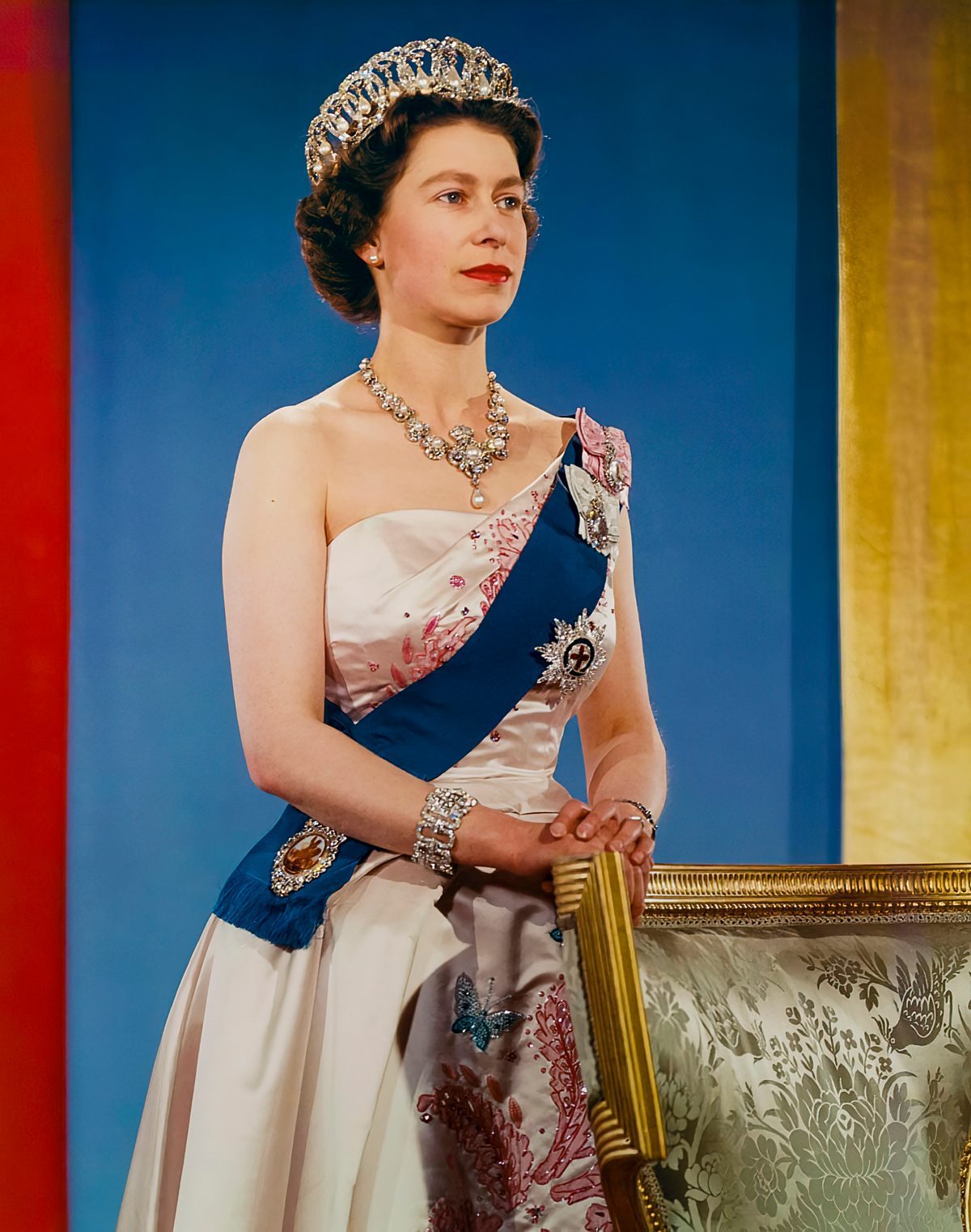
📷 Photo: Donald McKague. Public domain via Wikimedia Commons.