Love in the Royal Delivery Room
November 1840 marked a monumental event in British royal history — the birth of Queen Victoria's first child, Victoria, Princess Royal. This joyous occasion also offered a glimpse into a shifting paradigm of royal familial relationships, spearheaded by the deep and abiding partnership of Queen Victoria and Prince Albert. Contrary to the norms of the time, Prince Albert was not only present during Victoria's labor, but he also held her hand through every contraction, rendering support in a manner rarely seen before in royal practice. His dedication was not just a signal of love and commitment but a profound departure from the stoic traditions that often characterized royal marriages.
The Royal Birth Traditions
In the early 19th century, the trappings of a royal birth were steeped in ceremony and protocol. Traditionally, the inner sanctum of childbirth remained a strictly female domain. Royal fathers were relegated to the peripheries, their primary duties being those of heirs, not caregivers. It was almost unheard of for a royal husband to remain by his wife's side, especially during the throes of labor. Yet, Prince Albert's progressive nature and deep affection for Queen Victoria led him to defy these unwritten rules, nurturing a new standard of intimacy and support within the royal family.
Queen Victoria's labor, like many first pregnancies, was arduous and fraught with anxiety. The palatial surroundings of Buckingham Palace bore witness not just to the monarch's physical trials but to the emotional comfort provided by her beloved husband. The presence of Prince Albert was more than a comfort; it was a reassurance that forged an unshakeable bond between the royal couple. Later writings from Victoria's own hand reflect the solace she found in Albert's unwavering presence and tender concern.
An Enduring Partnership
Queen Victoria and Prince Albert's relationship was nothing short of a match made in heaven. Their union was characterized by mutual respect and intellectual companionship, transcending the typical arranged marriages that dotted the royal genealogical tree. Albert’s steadfast support during Victoria’s first labor is a testament to a partnership that flourished against a backdrop of Victorian conventions.
While Victoria was a woman of formidable will and capability, she often leaned on Albert, both emotionally and politically. His presence during the birth of their first child would be the first of many moments where he provided unwavering strength to his wife. Unlike many of his royal predecessors, Albert did not seek to overshadow Victoria; instead, he championed her role as ruler while offering sage advice and council behind the scenes. This collaborative approach and his dedication as a husband and father would permanently reshape the perception of royal husbands.
Breaking with Tradition
Albert's decision to remain by Victoria's side did not go unnoticed by the royal court or the public. It was a bold step, one that signaled a shifting tide in the private lives of the monarchy. The traditional roles associated with queenship and kingship were subtly redefined through Albert’s actions. Rather than adhering to the notion of remote authority figures bound by decorum, Victoria and Albert emerged as relatable partners facing the joys and tribulations of family life just like any other couple.
This moment did not just break the mold for royal fathers; it resonated with the wider public, gradually humanizing the monarchy. Evidence of this shift can be seen in the warmth with which the couple was received by the public, who saw in their partnership a mirror of their own familial aspirations. The birth of each subsequent child — nine in total — was similarly marked by family devotion over hollow ceremony.
The Legacy of Love
The tale of Prince Albert holding Queen Victoria's hand through labor reverberated through the corridors of history, offering an insight into the deeply human experience within the seemingly rigid confines of the monarchy. Their partnership laid the groundwork for the transformation of royal family dynamics, infusing them with emotions and a discernible narrative that has captured public imagination ever since.
Today, echoes of Albert's influence can be seen in the more accessible and publicly engaged contemporary royals. The familial ties that Victoria and Albert forged have endured through generations, influencing royal relationships and parenting approaches in ways that continue to endear the monarchy to the public. The shift towards a more personal, human-centered monarchy began with their enduring love story.
In an era when appearances often bore more weight than emotion, Prince Albert's handholding was a silent declaration of the strength within vulnerability. This remarkable moment, so unassuming yet so profound, continues to inspire not only those within the royal family but also individuals around the world. Royal & Regal celebrates this dwelling of heart with a sense of warmth, respect, and enduring admiration for the beautiful union that shaped centuries of royal heritage.
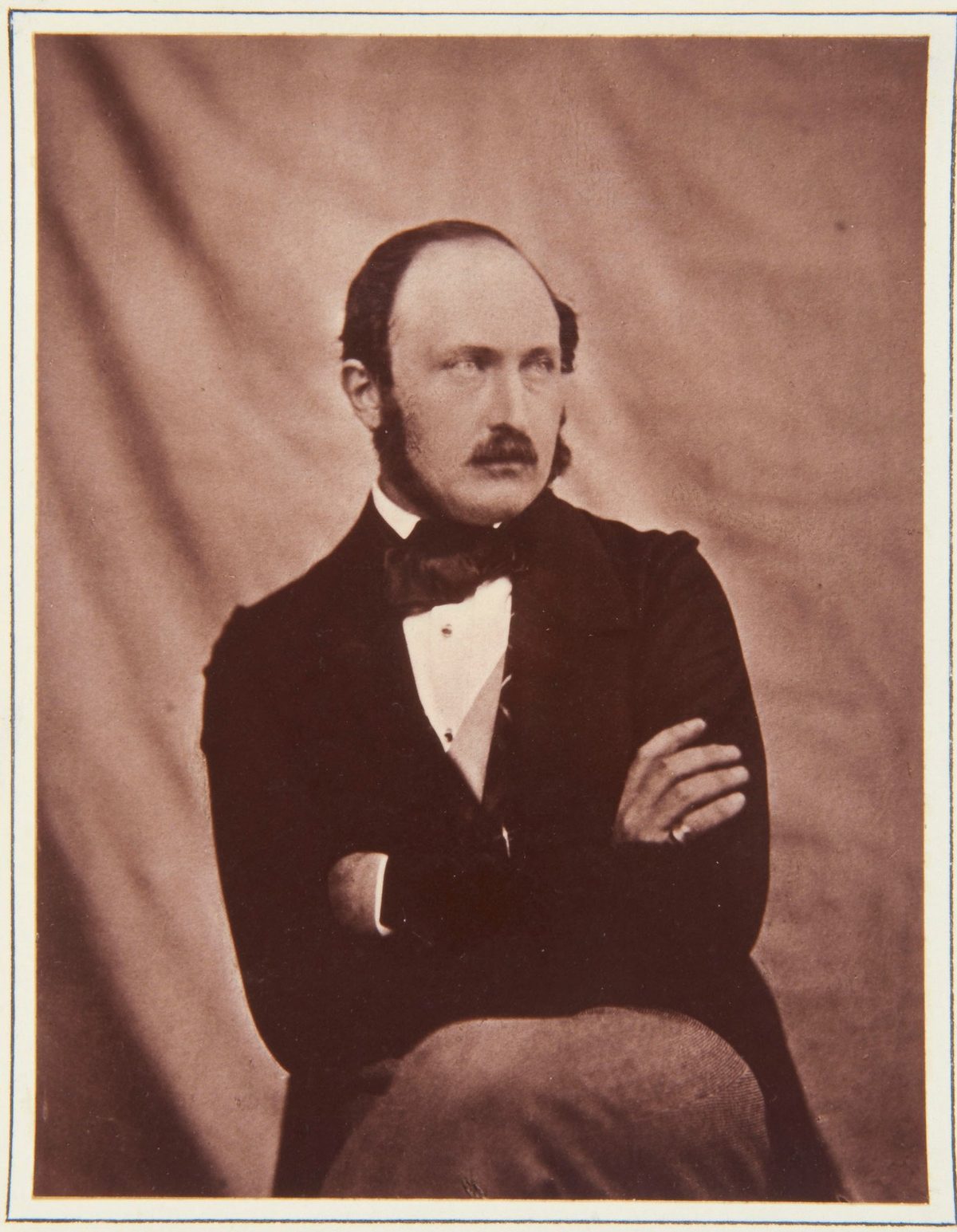
📷 Photo: Roger Fenton. Public domain via Wikimedia Commons.