The Night Mary Queen of Scots Sewed Her Own Shroud
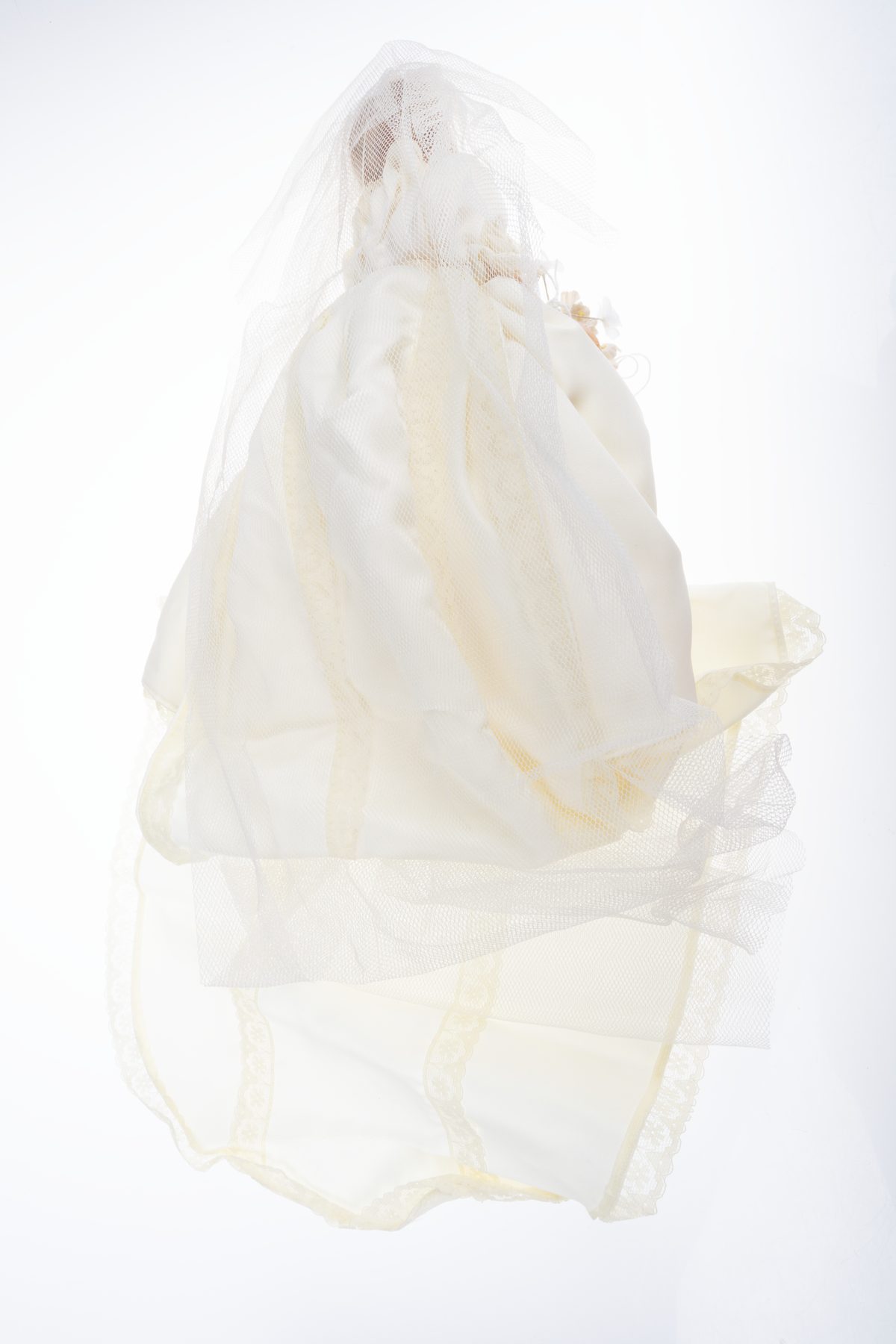
In the dimly lit chambers of Fotheringhay Castle, under the stern watch of her jailors, Mary Queen of Scots prepared for her final act not with despair, but with a needle and thread. The year was 1586, and winter had descended upon the cold stones of her prison. It was here that Mary, once a queen of great renown, sat silently through her final nights, her fingers deftly working the cloth upon which she embroidered her own burial shroud. In this act of quiet defiance, she stitched not only a preparation for death but a lasting testament to her regal dignity and unyielding spirit.
A Queen Confined
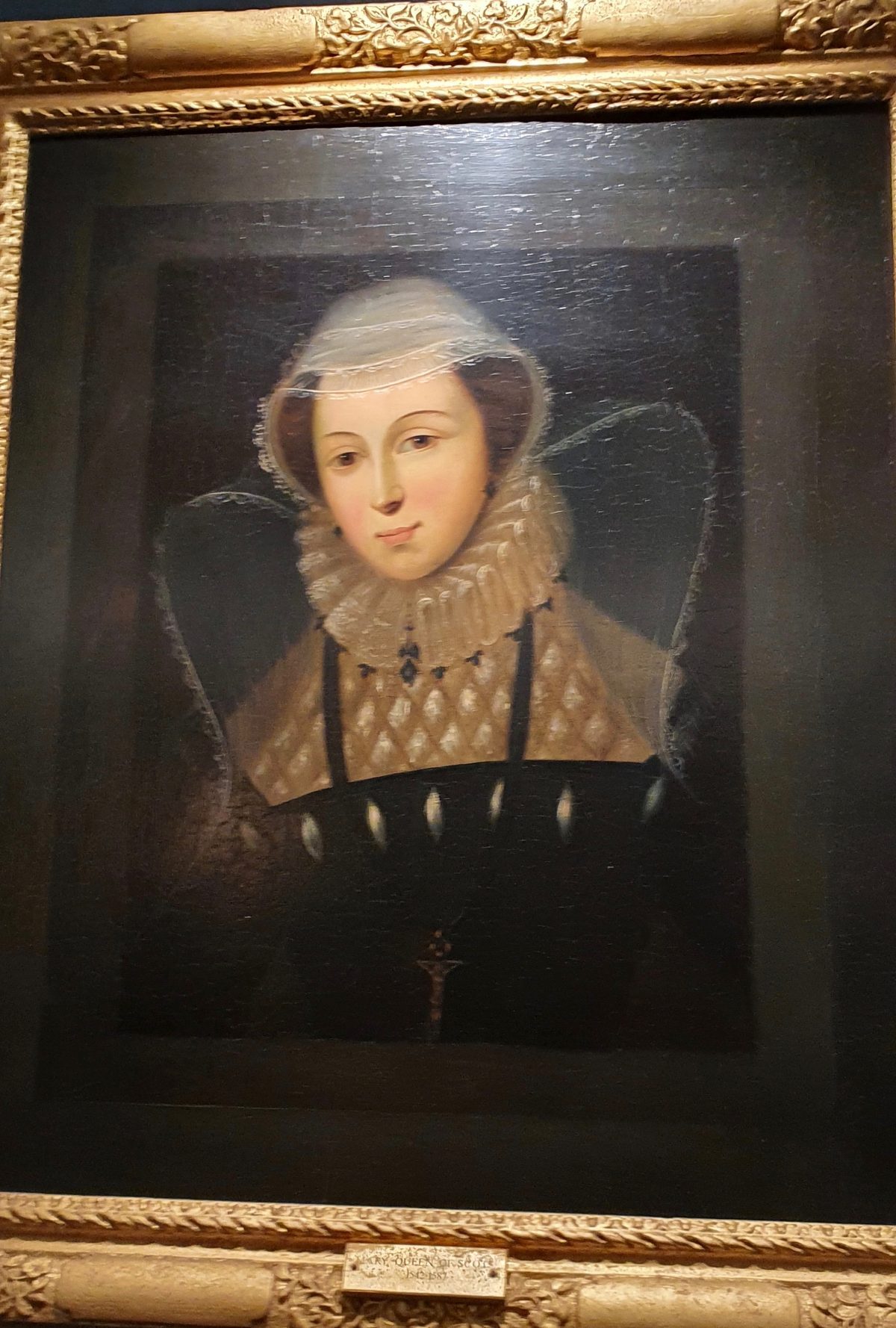
Mary's life had been marked by glory and tumult in turn. Born to reign, she was crowned Queen of Scotland at just six days old, a sovereign destined for greatness. Yet, political intrigue, religious strife, and personal tragedies would see her throne wrenched away. Fleeing to her cousin, Elizabeth I of England, in search of refuge, Mary instead found herself confined, a political pawn in a game of thrones that played out with dire consequences.
At Fotheringhay, the finality of her situation began to close in. Her long years in captivity were met with unwavering poise, yet by late 1586, it became apparent that her execution was imminent. The world in which Mary moved was rife with courtly machinations and peril, where power was ever fragile. She found herself caught in the crosshairs of such power plays, accused and tried for conspiring to assassinate Elizabeth and seize the English crown.
Stitching Through the Night
Amidst the heavy shadow of her looming execution, Mary's request for cloth and thread may have initially seemed an odd indulgence to her captors. Yet as she set to work, she transformed the simple act of sewing into a solemn and profound gesture. By focusing on each stitch, she reclaimed a measure of agency over her fate, embracing the dignity befitting her status as a queen.
"Every stitch was a shield against oblivion, a silent proclamation of her enduring legacy and stature."
In the solitude of her candlelit chamber, Mary poured her resilience into her work. The cloth she chose was imbued with the symbols and colors that harkened back to her heritage. The faint flicker of candlelight danced across the threads, illuminating scenes that celebrated her lineage and faith — symbols that were surely meant to guide her in death and fortify her spirit for the judgment she fervently believed awaited her after this life.
The Enduring Legacy of a Queen
On the morning of her execution, February 8, 1587, Mary adorned herself in the shroud of which she had become both creator and part. This burial cloth, a labor of her heart and hands, enveloped her with grace—a queen reclaiming her identity and sovereignty even in death. Her composure as she faced the scaffold awed those present, testament to her indomitable strength and nobility.
Throughout centuries, Mary Queen of Scots has been remembered as one of history's most captivating figures, her life a tapestry of triumph, tragedy, and unwavering fortitude. Her decision to sew her own shroud at Fotheringhay serves as an enduring emblem of her resilience and an intimate glimpse into her character—a woman who, even as she faced her own isolation and mortality, did so with immense courage and grace.
Reflection on the Royals Today
While the grandeur of Mary’s royal lineage might feel distant to our modern eyes, her story still resonates within the fabric of the British monarchy today. Her life and legacy invite reflection on the enduring nature of courage in the face of adversity, a trait admirably embodied by royals who continue to navigate the complexities of public life, albeit under different circumstances.
Her calm determination offers timeless inspiration. Mary's soft shroud, wrought with care, reveals that some acts of defiance resound beyond the corridors of history, influencing the realms of memory and legacy. Indeed, those who cherish the monarchy can draw from her the strength, fortitude, and elegance as guiding virtues that resonate deeply with the rich tapestry of royal heritage that continues to enthrall us today.
📷 Photo: Yair Haklai. CC BY-SA 4.0 via Wikimedia Commons.