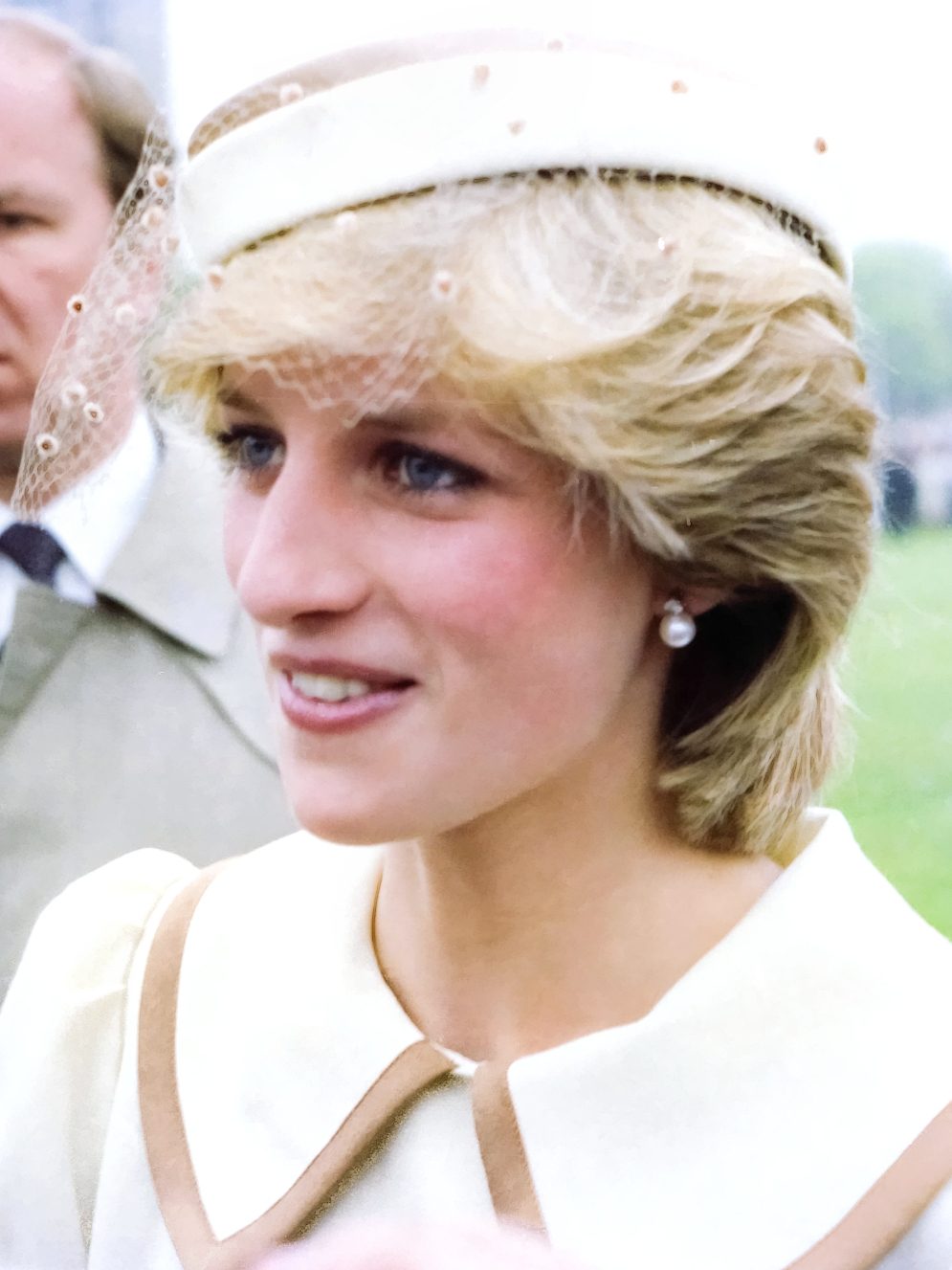
The 1980s and 1990s were a transformative era for the British monarchy, and at the heart of this transformation stood one of its most luminous stars: Diana, Princess of Wales. As charismatic as she was compassionate, Diana’s presence in the public sphere was unmistakable. It wasn't just her fashion sense or charitable endeavors that endeared her to millions around the world; it was also her uniquely approachable demeanor—most visibly illustrated during her iconic walkabouts. Her deliberate gestures of crouching, kneeling, and leaning in marked a subtle yet powerful break from royal conventions. To the world, they revealed everything about her quiet revolution, offering a new narrative in royal engagements.
The Birth of a People's Princess
When Diana Spencer married Prince Charles in 1981, she became one of the world's most photographed and scrutinized figures. Yet, beyond the glittering tiaras and designer gowns, Diana was quietly crafting a legacy defined by connection rather than opulence. Insiders and royal watchers soon realized that Diana's approach to public engagements was anything but traditional. Unlike her predecessors, Diana sought direct contact with people from all walks of life. She employed a warmth and empathy rarely seen in royal public appearances—an intentional act signaled through her subtle but deliberate change in posture.
Breaking with centuries-old tradition, Diana understood the symbolic power of physically lowering herself. At walkabouts, she would often crouch beside children, a gesture that spoke volumes in its simplicity. She had the talent to make individuals feel like they were the center of the world, an attribute that was as regal as it was refreshing. This deliberate display of humility fostered an unprecedented sense of accessibility, endearing her to the public and positioning her as the People's Princess—an icon who felt relatable yet still enchanting.
A New Kind of Royal Interaction
The Windsors, long bound by unsaid rules of decorum, traditionally maintained a semblance of detachment during public events. With Diana, there was a seismic shift. Her decision to kneel beside hospital patients or sit on the floor of a care home was a revelation. It reflected a philosophy that redefined royal presence to mean more than ceremonial duty. For Diana, each crouch and each lean-in symbolized her commitment to not only bear witness to struggles but to understand them deeply.
Crucially, Diana’s posture was not just about visual optics; it was a method of creating genuine human bonds. This was vividly illustrated during her interactions with people affected by HIV and AIDS—a topic then clouded by misinformation and stigma. Observers took note of how she would sit beside patients, hold their hands, and engage with them at eye level, dissolving invisible barriers through the mere act of a shared gaze. Her compassionate approach led to increased public understanding and empathy, demonstrating that a royal presence could spark societal change.
Behind the Royal Curtain: Tradition Meets Change
The cultural and institutional milieu of the British monarchy in the 1980s was steeped in history and pageantry. Yet, the era echoed with calls for modernization and more personal, human touches in aristocratic conduct. Diana’s posture on walkabouts was a masterclass in balancing tradition with transformation. While some royal aides and courtiers may have resisted these modern gestures, preferring distance as a symbol of awe and respect, Diana’s immersive interactions forced a rethink of what it meant to be royal in the contemporary world.
Through each well-calculated bend, Diana skillfully navigated the expectations of royal protocol while pioneering her own approach to monarchy. The ripple effects were undeniable, as others in the royal family began incorporating more personal, compassionate interactions in their public engagements. Diana’s influence was particularly evident in her sons, Princes William and Harry, who grew up witnessing their mother’s radical warmth and have continued to carry her legacy forward in their own charitable work.
The Legacy of Presence and Purpose
In reflecting on Diana’s impact, her departure from traditional royal decorum created a lasting blueprint for empathetic engagement. Her practices encouraged a shift away from aloofness toward embrace, from formality toward friendliness. This gradual evolution of royal conduct began a new chapter for the monarchy, one that insisted on recognizing the significance of each individual within the crowd.
Even today, the ripples of Diana’s legacy are evident. The modern royal family continues her ethos of genuine connection, ushering in a new age where status and compassion are not seen as mutually exclusive. Her pioneering approach remains a testament to the enduring power of kindness, deployed with grace and humility.
Princess Diana's legacy serves as a reminder that the heart of monarchy isn't solely bound by crown jewels and palaces but thrives in the quiet strength of simple human connection. Through her transformative walkabouts, Diana showed the world that to rule with dignity and influence is to stand at the level of the people—emphasizing that even the simple act of bending down can lift an entire institution up.
📷 Photo: Russ2009. CC BY-SA 2.0 via Wikimedia Commons.