On the fateful morning of September 3, 1939, the Kingdom of Great Britain found itself on the precipice of a devastating conflict. With the storm clouds of war looming, millions of Britons gathered around their wireless radios, anxiously awaiting a broadcast from their monarch. In this moment of national uncertainty, it was not merely a king who spoke, but a man named Albert Frederick Arthur George—a relentless warrior against his own inner battle, who had prepared for years to find his voice. King George VI, with a history of personal struggle, rose to meet the urgency of the hour with an unwavering resolve. Yet, behind the composed exterior, his hands trembled as he faced not just the expectations of a nation, but also his lifelong adversary: a debilitating stammer that had plagued him since childhood.
The Reluctant King
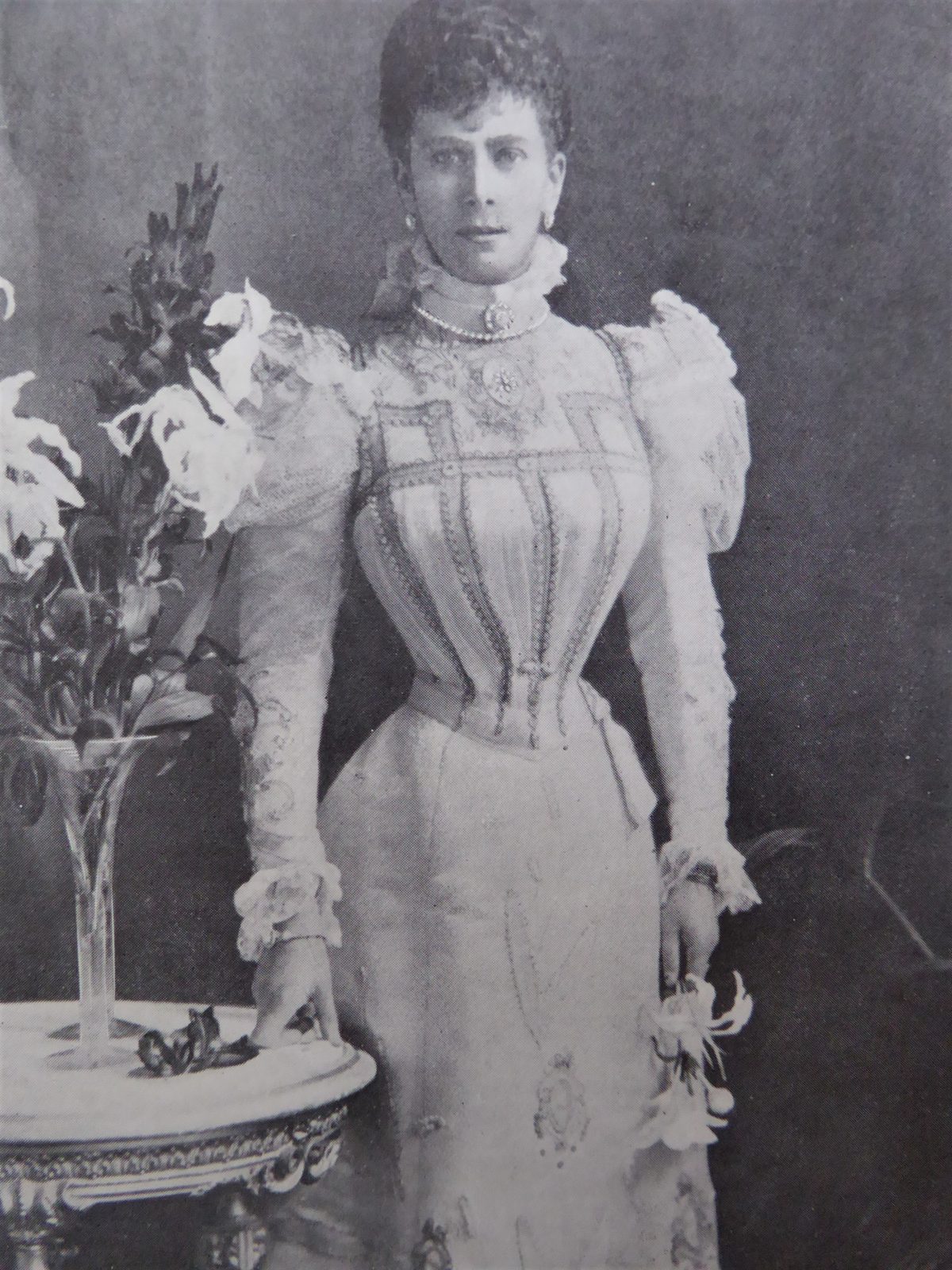
Born on December 14, 1895, the future King George VI had never been destined for the throne. Known affectionately within the royal family as "Bertie," he was the second son of King George V and Queen Mary—a quiet, reserved child who struggled with a speech impediment. Unlike his older brother, Edward, who was outgoing and confident, Bertie's stammer filled him with an overwhelming sense of inadequacy. The challenges of his childhood were compounded by a traditional royal upbringing that emphasized duty over personal comfort, which left little room for compassion towards such obstacles.
For years, Bertie's speech impediment was a source of embarrassment, especially in the public arena. His first public speech at Wembley Stadium in 1925 had been an excruciating ordeal punctuated by stammered phrases, a painful reminder of his personal torment. His battle with speech was not just physical but deeply psychological, stemming from the pressure to meet the expectations of royalty while feeling trapped within. He sought help in various forms, but it was his eventual partnership with Lionel Logue, an Australian speech therapist, that began to unlock his voice. Logue's unconventional methods and friendship grew into a critical support system for the future king.
The War Within
When his brother, King Edward VIII, abdicated the throne in 1936, a reluctant Bertie ascended as King George VI. The sudden elevation to such a monumental role brought with it new pressures and expectations. As if stepping into a historical spotlight, George VI's reign began under the shadow of impending global unrest. However, it was during this time that his inner resolve began to take shape, nurtured by his beloved wife, Queen Elizabeth, the Queen Mother, and the unwavering support of his close family and confidants.
The British public, perhaps sensing the authenticity and humility of their new monarch, began to embrace him with warmth and affection. Unknown to many, George VI was fighting ardently against time to hone his public speaking abilities—understanding the role his voice would soon play in bolstering national morale. Through persistent practice with Logue and sheer determination, he was laying the groundwork for the moment when he would need to speak not just from the throne, but from the heart.
The Morning of September 3, 1939
In London, on that perilous morn, the gravity of the geopolitical situation was palpable. When Prime Minister Neville Chamberlain declared war on Germany, it was the king's duty to address the nation. The BBC, poised and ready, recognized the profound importance of this communication; the airwaves would carry his message not just to the citizenry across Britain, but also to the broader Empire and allies abroad.
King George VI sat alone in a quiet room in Buckingham Palace. Though the physical setting was typical—ornate with regal splendor—the stakes were anything but ordinary. As the microphone stood sentinel before him, the weight of history bore down upon his shoulders. This wasn't just about delivering an official message; it was about connecting with his people on a deeply human level, offering them strength and resolve. As he began to speak, the nation listened intently to a voice shorn of any pretension, imbued with sincerity and an unwavering commitment to duty.
"For the second time in the lives of most of us, we are at war," he intoned, his voice steady and sonorous, a surprising triumph over his lifelong struggle.
The speech was not merely a declaration of war; it was a unifying call to both arms and collective spirit. His composure and heartfelt words resonated profoundly with listeners, reassuring the public that their king was not only with them but one of them—a human battling his own challenges with dignity and honor.
Legacy of Courage
King George VI's successful address was not just a personal victory but a watershed moment for the British monarchy. It demonstrated a profound commitment to leadership that transcended mere governance, embedding him deeply within the public's affection. Over the years, George VI continued to bolster British morale through frequent radio addresses, visits to bomb sites, and public appearances alongside his steadfast consort, Queen Elizabeth. His dealings with world leaders and his involvement in strategic alliances portrayed him as a beacon of stability during a volatile period.
The war years were arduous, and though he endured health challenges exacerbated by stress and adversity, his spirit carried on. His reign, albeit shorter than many monarchs, left an indelible imprint on both the monarchy and the nation. The seeds of resilience he planted, along with his modest nature, became a guiding form of leadership that influenced subsequent generations within the royal family and beyond.
A Portrait of Endurance
In reflecting upon King George VI's rousing broadcast on that pivotal morning, we are reminded of the enduring power of the human spirit in overcoming adversity. The king's voice represented not just royal duty but also the triumph of personal perseverance over seemingly insurmountable odds. Today's royals, inheritors of such legacy, continue to bear the hallmarks of grace and duty exemplified by George VI. His story serves as an inspiration, illustrating how courage is often born from vulnerability and how leadership can emerge not through perfection but through authentic humanity.
As history unfolds and the monarchy evolves, the spirit embodied by King George VI remains vital. In moments of national or personal crisis, his tale of resilience offers hope and assurance—a reminder that even in our struggles, there lies an enduring ability to contribute, uplift, and unite. Echoing through the pages of time, the king's steadfastness stands as a beacon, inviting each of us to face our fears and rise to meet the challenges of today with courage and conviction.
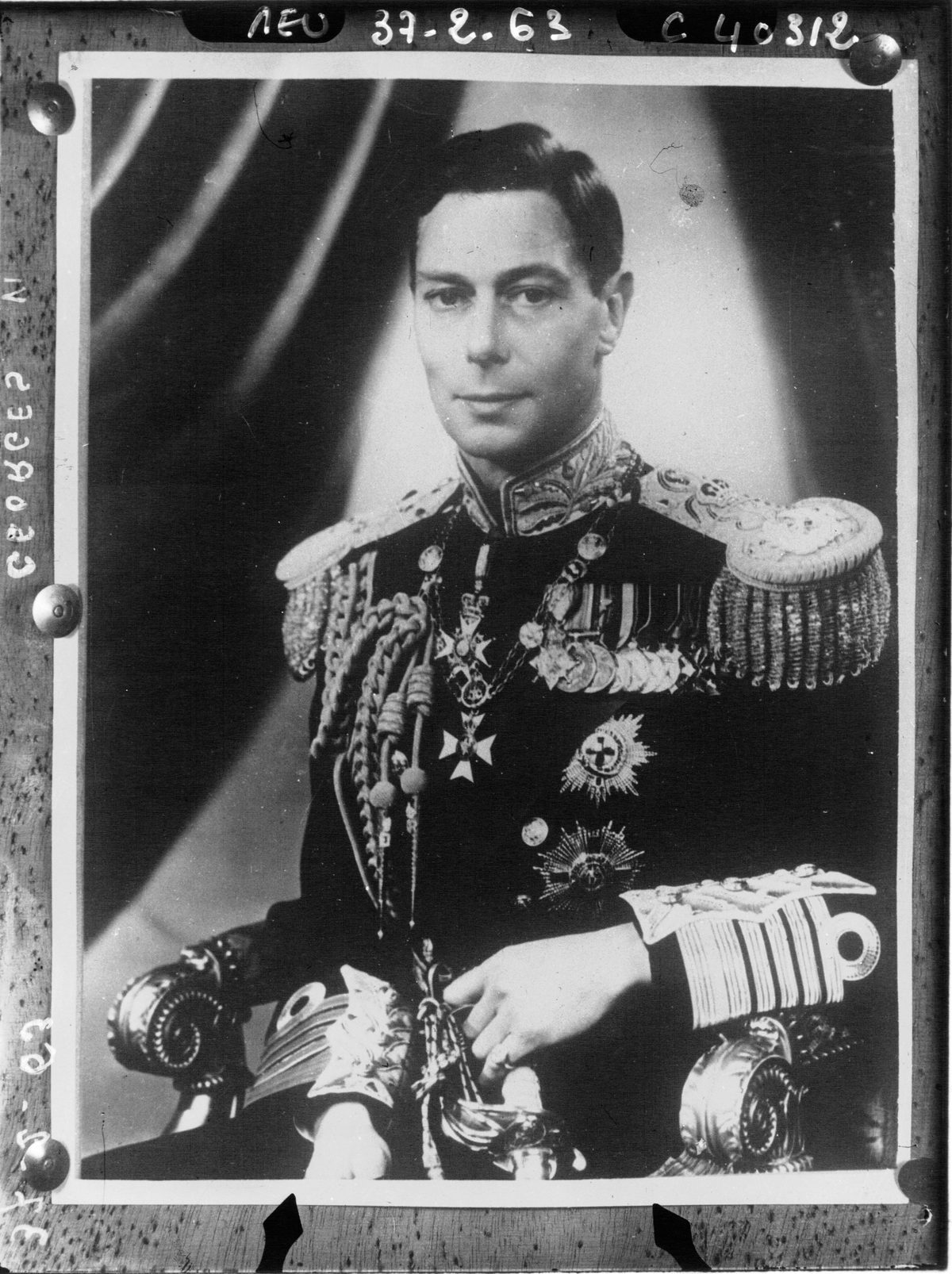
📷 Photo: Agence de presse Meurisse. Agence photographique (commanditaire). Public domain via Wikimedia Commons.