In the grand tapestry of the British monarchy, embroidered with majestic state occasions and stoic public duties, there are moments of quiet humanity that thread their way through history, leaving a deeper, more personal mark. It was one such moment in 1989 when the often brash yet dutiful Prince Philip once again demonstrated the depth of his character in a small yet unforgettable act of kindness—the day he kneeled beside a sick child's hospital bed and turned tears into laughter.
The Royal Visit That Made an Unexpected Turn
The year was 1989, a period when the world was full of change and challenges were many. The House of Windsor, ever the emblem of continuity amidst shifting sands, often carried out engagements that sought to bring the wisdom and warmth of the monarchy to the heart of British life. During one such visit to a children’s hospital, the focus was intended to be on HRH Prince Philip’s steadfast commitment to healthcare and his engagement with health professionals. Little did anyone know that the real story would unfold in a quiet hospital ward.
As is often the case during royal visits, a palpable excitement filled the air. The staff had polished every detail to perfection and the young patients, while perhaps naïve to the nuances of royalty, felt the promise of a special day. Yet, amid the anticipation, one young boy was gripped by something more somber—fear. Unaccustomed to the bustle and uncertain of what to make of this royal visit, his apprehension was plain to see. It was in response to this silent plea that Prince Philip, demonstrating his remarkable ability to read a room, made a decision that would turn the boy’s day—and his own—into something memorable.
Prince Philip: The Unseen Softness
Renowned for his wit and often unconventional approach to royal duties, Prince Philip was typically marked by his curt humor and sharp commentary. Yet, those who had the privilege to catch him bereft of public formality knew another side to The Duke—a deep well of compassion and understanding, especially towards young people. His affiliation with organizations such as the Duke of Edinburgh’s Award Scheme had long showcased his dedication to aiding youth development globally.
On this particular day, history and duty took a backseat to human connection. Upon noticing the boy’s distress as the royal party moved past, Prince Philip quietly detached from the entourage, navigating his way back to the child’s bedside. For those witnessing the moment, the spectacle of the royal kneeling by the bed was striking. It was in this moment that Prince Philip’s mission became one of a different nature—one that would not make national headlines but would etch itself into the hearts of those present.
Creating Laughter in a Place of Healing
The small act of kneeling was not simply a gesture; it was Prince Philip embracing a position not often associated with his public persona. The sight of the stately Duke meeting the eye level of a sick child embodied humility and empathy. Over the course of twenty minutes, the stately figure of British nobility became a grandfatherly presence. He engaged the boy with stories and questions, interspersing tales of palace life with hints of humor that were all his own.
Laughter is, indeed, a powerful medicine. And that day, in a room where fear had taken root, Prince Philip planted joy. The young boy, previously withdrawn and anxious, found himself captivated and delightfully distracted. It was a gift—not only to the child but to his onlookers, offering a reminder of the monarchy’s potent ability to connect with its citizens on the most personal level.
Remembered in the Hearts of Many
Long after the royal visit had concluded, the tale of Prince Philip's unexpected devotion to that single child flourished in retelling. Hospital staff, who often saw celebrities and dignitaries breeze through on tightly-held itineraries, recounted the event as refreshingly unique. The boy himself, far from royalty’s usual domain, carried the memory with pride, sharing his royal encounter with family and friends for months to come.
Such stories contribute to Prince Philip’s enduring legacy—not just as a consort to the Queen but as a man of profound empathy and private warmth. His ability to break from protocol, bringing light to those who needed it most, endeared him to many and completed the picture of a public figure who held multitudes beneath his often gruff exterior.
The Lasting Impact of Quiet Monarchal Moments
The actions of members of the royal family are often dissected under the microscopic lens of public scrutiny, yet it is in these quieter moments that the British monarchy shines like no other institution. These gestures resonate deeply with the public, reminding us of the role that royals play not just in statecraft but in everyday lives. Prince Philip’s actions that day went far beyond the call of duty, serving as a tender reminder of the power of empathy and the human connection found in the most unexpected places.
Today, as we look across the great expanse of Britain's royal history, it is these moments that linger, weaving an invisible thread that binds the past to the present. Prince Philip’s legacy, marked with humor, resilience, and compassion, endures in these unplanned acts of kindness, leaving us with a richer, more intimate understanding of the royal family that continues to captivate the world.
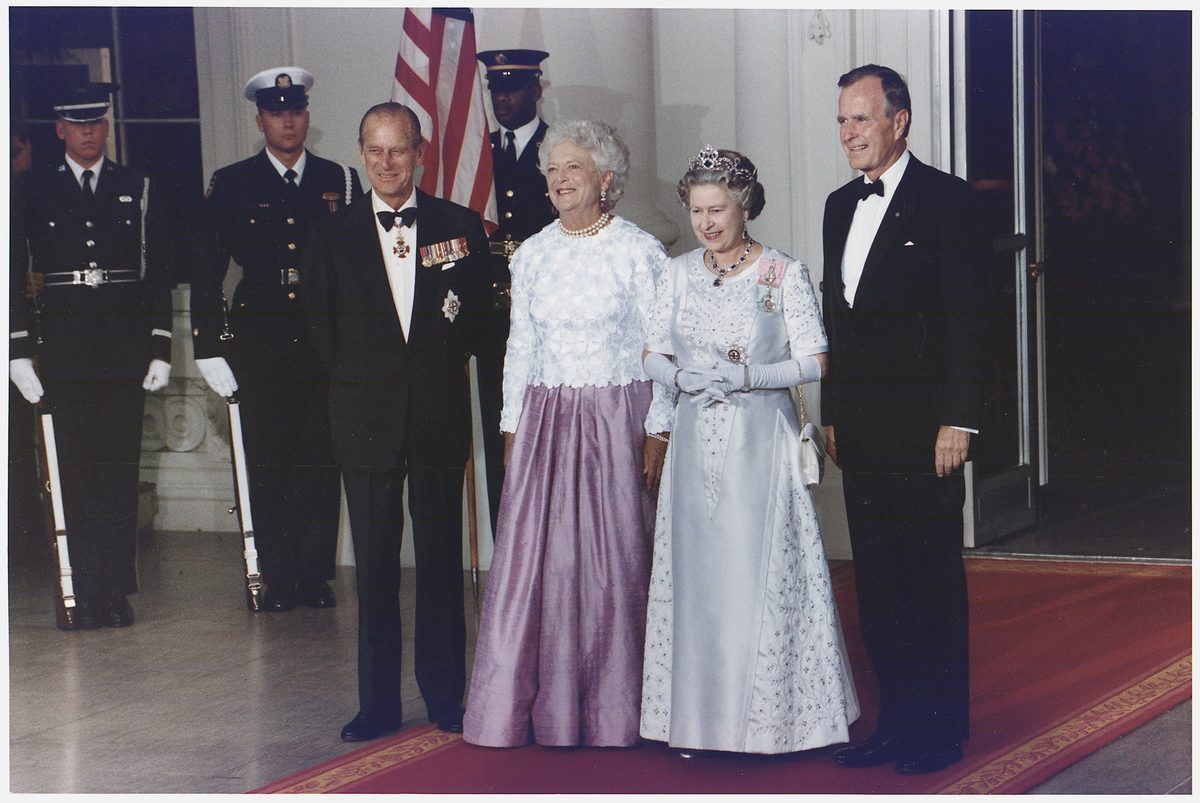
📷 Photo: Series: George H. W. Bush Presidential Photographs, 1/20/1989 - 1/20/1993 Collection: Records of the White House Photograph Office, 1/20/1989 - 1/20/1993. Public domain via Wikimedia Commons.