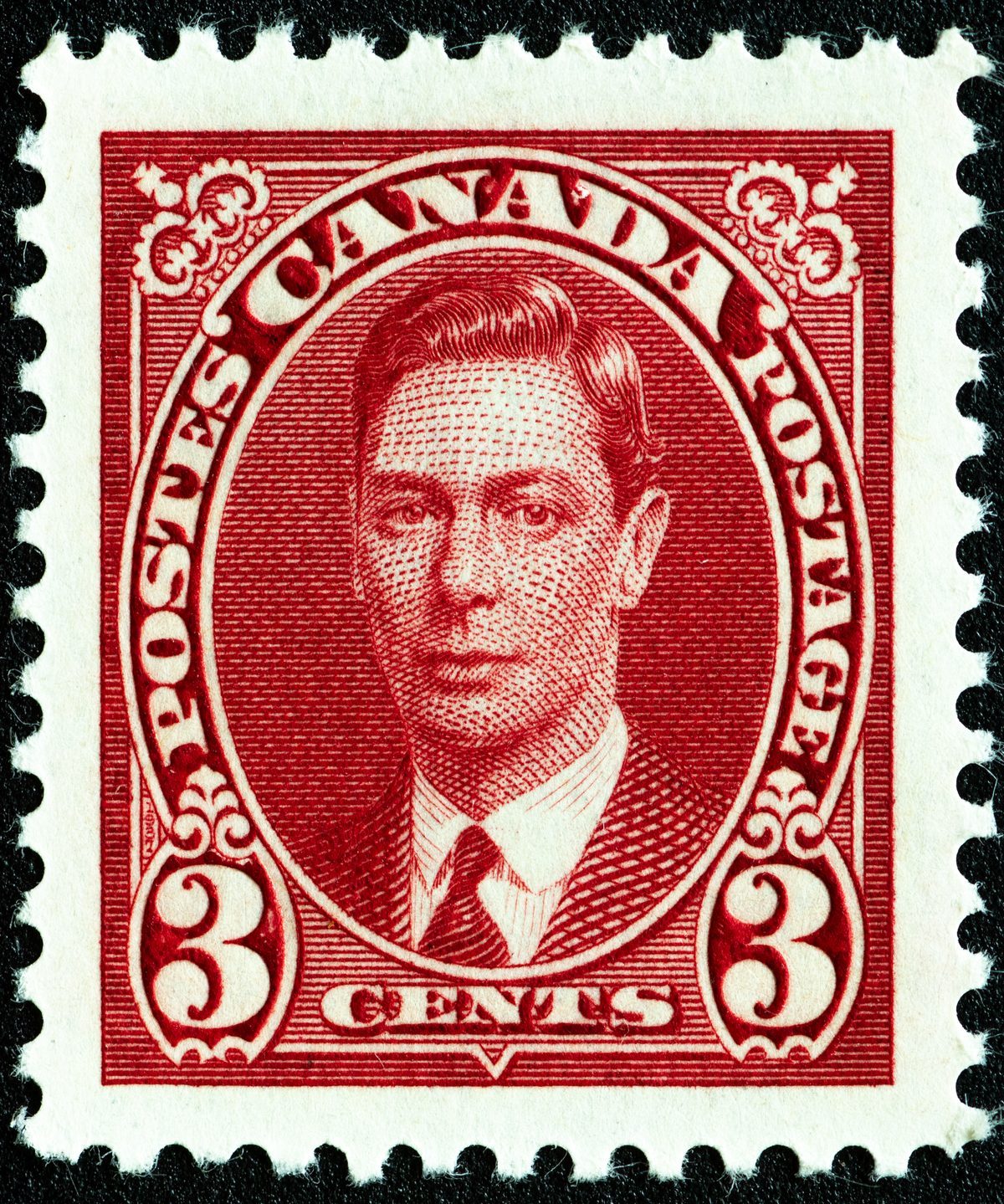
He never wanted the crown. A man comfortable in the shadow of his older brother, George VI found himself thrust into the royal spotlight under the most unexpected of circumstances. A natural introvert with a speech impediment that could silence rooms, the Duke of York had spent much of his life relegated to the background of royal activities. But duty called, as it often does in the world of the monarchy, and on a fateful night in May 1937, the night before his coronation, the reluctant king-to-be made a solemn vow—a personal promise to his God—that revealed the depth of his resolve to be a monarch for the people. It was a promise that no one was meant to hear, yet it became a defining moment in the reign of a man who came to symbolize steadfastness in a time of global uncertainty.
The Prince Who Became a King Unwillingly
Albert Frederick Arthur George, affectionately known as "Bertie," was born into a life of royal duty and privilege but never expected to ascend the throne. His elder brother, David, was groomed for kingship and indeed became King Edward VIII in 1936. But like a twist from the pages of a Shakespearean drama, Edward’s love affair with a twice-divorced American woman, Wallis Simpson, led to an unprecedented event in British royal history—a voluntary abdication.
The abdication crisis plunged the monarchy into turmoil and left Bertie, the quiet Duke of York, to pick up the pieces. Known for his endearing humility and diligent dedication to his naval and public duties, he was admired by his peers but never seen as the leader of a nation. George VI himself expressed doubt at his own abilities, particularly his stammer, which he believed might impede his role. Yet his willingness to step up in this hour of need spoke volumes. As he prepared for his coronation, a world watched and waited to see whether this unlikely king could fill such sizeable shoes.
A Night Steeped in Prayer and Private Resolve
The night before his coronation was one of restless anticipation for George VI. In the candlelit privacy of his room at Buckingham Palace, he was alone, entwined with his thoughts. Unable to sleep, the soon-to-be king chose a different solace: prayer. The depth of this personal moment has been shrouded in mystery due to its intensely private nature. George VI knelt and made a vow to God, a solemn promise to endeavor to be a king worthy of the role that had been thrust upon him. It is said that this act of quiet devotion was one of the bravest things he ever did, marking not just a commitment to his country, but to rise above his own insecurities.
Queen Elizabeth, later known as the Queen Mother, would often reflect on her husband’s introspective acts leading up to his coronation as an embodiment of moral courage. For a king battling private demons, this moment of silent commitment symbolized the personal integrity and sense of duty that would define his reign.
The Coronation Day: Bridging Tradition and Modernity
On May 12, 1937, Westminster Abbey stood as the hallowed ground where the ancient rituals of coronation would unfold. The day was a spectacle of tradition and reverence, a lavish ceremony steeped in history with meticulously orchestrated grandeur. The pomp and pageantry served as a comforting constant amidst shifting global tides, but beneath the glittering surface, there lay the human story of a man stepping into destiny.
As the grandeur of the ceremony enveloped Westminster, the weight of the crown was symbolically and literally apparent. George VI was acutely aware of the journey ahead—of leading a nation on the brink of significant change, destined to face the formidable trials of World War II. The ceremony was more than a mere formality; it was a renewal of the monarchy's promise to a country poised on the edge of great challenge.
A Reign Defined by Courage and Commitment
George VI's reign would become synonymous with fortitude and dedication. The personal vow he made the night before his coronation would translate into a steadfast monarchy that helped guide Britain through the harrowing years of World War II. As bombs fell over London, the royal family refused to flee, remaining resolutely in Buckingham Palace as a show of solidarity with the British people. His speeches—once a source of trepidation due to his stammer—evolved into symbols of resolve, inspiring a sense of unity and national pride.
Known not only for his leadership during wartime but also for his compassionate nature, George VI fostered a deep connection with his subjects. His reign was not just about survival, but about cultivating a legacy of hope and perseverance, which endured beyond his years on the throne.
The Legacy That Echoes Through Time
George VI’s life and reign served as a testament to the notion that kingship is measured not solely by power or authority but by character and sacrifice. His vow the night before his coronation was a private promise that encapsulated the spirit of duty that would become his hallmark. It is a legacy of quiet strength and unwavering loyalty that resonated through his daughter, Queen Elizabeth II, herself a paragon of dedication throughout her unparalleled reign.
In a world where the noise of modern life often drowns out the whispers of personal vows, George VI's story is an enduring reminder of the power of quiet resolve. His legacy continues to capture the hearts and minds of those who cherish the monarchy as an institution not merely of rule, but of commitment to the flourishing of a nation.
The story of King George VI is not just a chapter in the annals of royal history but an ongoing narrative that speaks to a monarchy capable of deep empathy and determined vision. His private vow of courage, given life on a lonely night, has become a beacon that guides the heart of a modern monarchy—and stirs admiration in the hearts of those who still find wonder in its time-honored traditions.
📷 Photo: Hayden Soloviev. CC BY 4.0 via Wikimedia Commons.