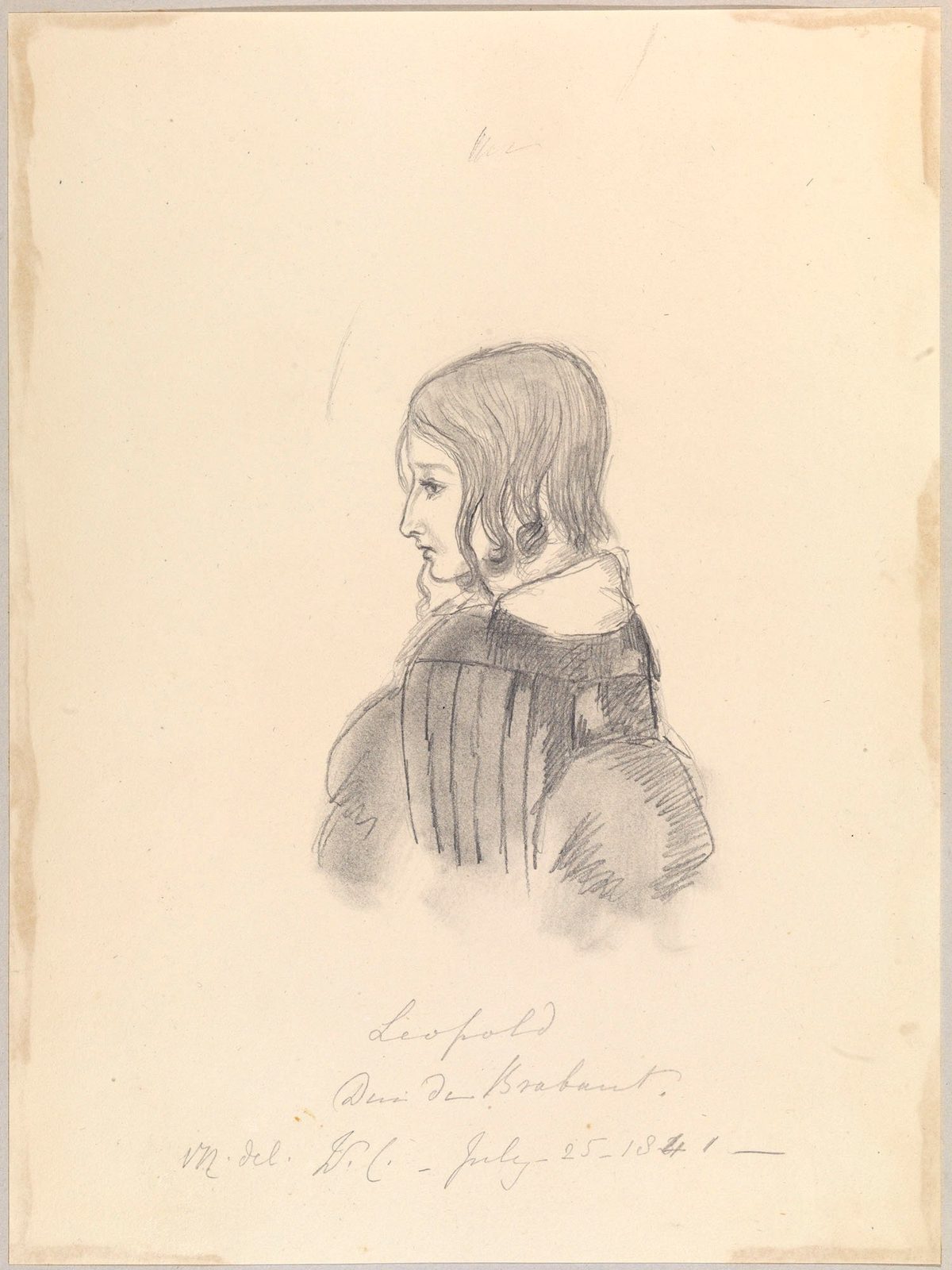
The Dawn of a New Era
The sun cast a golden hue over the English countryside as the morning of June 13, 1842, dawned heralding a significant event in royal history. Inside the majestic halls of Buckingham Palace, whispers of concern and disbelief danced among the courtiers as Queen Victoria prepared to embark on a journey many deemed both reckless and audacious. The young monarch, not yet comfortable on the throne, was about to do something unprecedented: travel by steam train.
This decision wasn't made lightly. Steam trains were still a thrilling novelty, representing the cutting edge of technology and progress. Yet, for all their promise, they aroused anxiety. Concerns about safety were rife, and the locomotives were seen by many as temperamental beasts, capable of terrible accidents. For a queen to travel alone on one was beyond the realm of imagination for her advisors and courtiers. However, Victoria, known for her strong will and curiosity, had made up her mind.
Advisors' Anxiety: A Court in Turmoil
The idea of Queen Victoria traveling alone on a steam train stirred a tempest within her court. The notion was met with consternation, as advisors and royal officials feared for her safety. The steam engine's roar was rumored to be unsettling, and the journey fraught with risk, from the potential of a mechanical failure to the dread of a derailment.
Sir James Graham, the Home Secretary, reportedly expressed his concerns with utmost frankness. Graham and his contemporaries in the court believed such a journey defied royal dignity. The potential for scandal — should anything untoward happen — was a terrifying prospect. The Queen’s husband, Prince Albert, though equally fascinated by technological advancements, was persuaded to express his own reservations.
Yet, it was Victoria’s determination and keen interest in progress that led her to dismiss the apprehensions surrounding her. She famously stated her belief in the advancement of the kingdom alongside the technological strides being made. In the fray of doubts, she remained steadfast with an almost childlike enthusiasm for this new experience.
The Journey Begins: Setting the Rails on Fire
On the morning of the journey, the train sat elegantly at Windsor Station, its polished black body glistening in the gentle sunlight. This royal locomotive had been customized for the occasion, exuding both opulence and modernity, a fitting carriage for a queen. As Victoria stepped aboard, clad in a dignified yet practical traveling gown, she did so with a radiant smile, undeterred by the swirling anxiety of those left behind.
The locomotive steamed ahead, its wheels clattering rhythmically over the tracks. Victoria, despite the concerns expressed by her advisors, appeared composed, peering out at the countryside speeding past her window. The journey from Windsor to Paddington spanned a mere 25 miles, yet it represented a crossing of much greater breadth — bridging traditional royal propriety with the burgeoning industrial future.
As the landscape unfolded before her eyes, it was said that her expression was of wonder and delight, as if seeing her kingdom anew. Here, Victoria found a kind of freedom, even within the confines of her ornate carriage, unencumbered by the formality of court life, momentarily released from the pressures of the crown.
Arrival in Paddington: A Nation Transformed
The train's arrival at Paddington Station was smooth and timely, demonstrating the reliability that champions of the steam age were eager to prove. As the train glided to a halt, Queen Victoria, unflustered and still brimming with excitement, stepped onto the platform, warmly acknowledging the small crowd gathered to witness this historical moment.
It was said that she alighted with a smile that swept away the lingering doubts of her entourage. The Queen inquired immediately about when she might undertake her next train journey, an inquiry that reflected both her personal satisfaction and the quiet revolution her journey represented. This venture was more than an expression of personal curiosity; it was a royal endorsement of the very technology that would propel Britain forward as a world leader in industry.
A Quiet Revolution
Queen Victoria's bold step aboard a steam locomotive was symbolic of a monarchy not only embracing but leading the societal transformations of its time. Her journey marked the beginning of a new relationship between the crown and technological progress, challenging centuries-old traditions with a refreshing, modernistic approach.
This endeavor wasn’t just a personal triumph for Victoria but also a profound statement to the nation and its burgeoning industrial sector. In the years that followed, railways would knit the country together in ways unimaginable to earlier generations. This first solo journey was the catalyst for royals traveling more frequently by train, making it an almost regal tradition that would carry the monarchy across the grounds of Great Britain more swiftly than ever before.
Victoria's choice exemplifies the potency of leadership in steering progress, illustrating that the crown never exists in isolation but rather is a thread weaved into the broader fabric of history, poised to adapt and thrive amid the tides of change. Her actions that summer day in 1842 serve as a reminder that embracing innovation, even with its inherent risks, is a path to greatness.
As we reflect on her maiden voyage into the realm of steam, we are reminded that the resolute spirit of the monarchy continues to steer an ever-evolving Britain steadfastly into the future. It is in moments of courageous defiance, such as Queen Victoria's solo train journey, that history is both made and remembered fondly.
📷 Photo: Victoria. Public domain via Wikimedia Commons.