As the winds of tradition swept through Wales in 1969, a young Prince Charles embarked on a journey both deeply unconventional and profoundly respectful. The world may have understood little more than what photos and glimpses could convey of those eight intensive weeks, hidden away in a remote Welsh town. Yet, beneath the surface tranquility, rippled the whispers of a royal transformation. In an unprecedented move, the future King of Great Britain chose to embrace the language of a land woven intricately with history and sentiment—a linguistic thread few of his royal predecessors had ever unraveled.
A Royal Revelation in Aberystwyth
At the age of 20, Prince Charles, the Prince of Wales, faced his investiture scheduled at Caernarfon Castle—a ceremony destined to captivate global attention. Royals from all quarters of the earth had been traditionally tasked with upholding customs. But Charles was determined not only to uphold them but to deepen them. His decision to study the Welsh language, guided by Dr. Edward Millward, a dedicated Welsh nationalist and a lecturer at the University College of Wales in Aberystwyth, was for more than mere appearances. It was his humble gesture of goodwill and respect towards the spirited Welsh populace.
Walking the paths of Aberystwyth, Charles immersed himself in the local culture and traditions, albeit in the guise of a student rather than a prince. It was an earnest time of learning and understanding that many outside the royal household knew little about until much later. His days were filled with rigorous language lessons, cultural insights, and candid conversations. Each word he learned allowed him to connect, truly and meaningfully, with the people whose history and legacy he was to honor. His keenness to blend into the local community rather than stand apart from it marked a significant departure from the traditional royal approach.
The Crown and the Castle: A Scene Set for History
On July 1, 1969, the scene at Caernarfon Castle was nothing short of majestic. The site, steeped in regal history, had witnessed the comings and goings of countless historical figures. Yet on that day, it stood as the backdrop to a young prince's testament of unity and respect. The investiture, watched by millions worldwide, saw Prince Charles adorned in a specially designed coronet and velvet robes, signifying his new role as the Prince of Wales.
Before the ceremony, there was chatter and unease, the air abuzz with anticipation. For amidst all pageantry lay that crucial moment everyone seemed to yearn for— would the young prince truly speak Welsh, and how well? For on it hinged an unspoken verdict about his genuine intent.
A Moment That Stilled Time
As Prince Charles approached the podium, silence cascaded over the audience like a velvet curtain. Among the pearls and sashes, the fervent eyes of the Welsh people clung to the moment, waiting for what could become a pivotal point in the royal-Welsh relationship. And then he spoke, not in the distinguished tones of English royalty but in the gentle musicality of the Welsh tongue.
The crowd, momentarily suspended between disbelief and deep emotional resonance, absorbed each word of the beautifully articulate address. This was a prince who had done more than donned a title; he had adopted an element of the soul of Wales. As he continued his speech, what began as profound silence quickly shifted—shattering into an emotional eruption of applause and cheers that enveloped the castle grounds. Those eight weeks had culminated in a remarkable triumph, one that showcased the prince's genuine efforts to bridge cultural divides.
A Legacy of Unity: Connecting Yesterday with Today
Since his investiture, Prince Charles’s gesture has echoed through the annals of history. It highlighted a monarch's role not just as a ruler but as a listener, learner, and emissary of unity. His willingness to embrace the heritage of the Welsh people has remained an inspiring footnote in his princely journey, resonating with themes still relevant today. It underlined the importance of recognizing and valuing diversity within unity—a message as crucial now as it was then.
Prince Charles’s efforts to learn Welsh were more than ceremonial; they transcended the mundane protocols of royalty and embraced the profound simplicity of one human reaching out to another. In an age where such gestures find themselves amidst the din of headlines, his actions remain a quiet yet powerful testament to understanding and respect—values that the British monarchy still strives to embody within its evolving story.
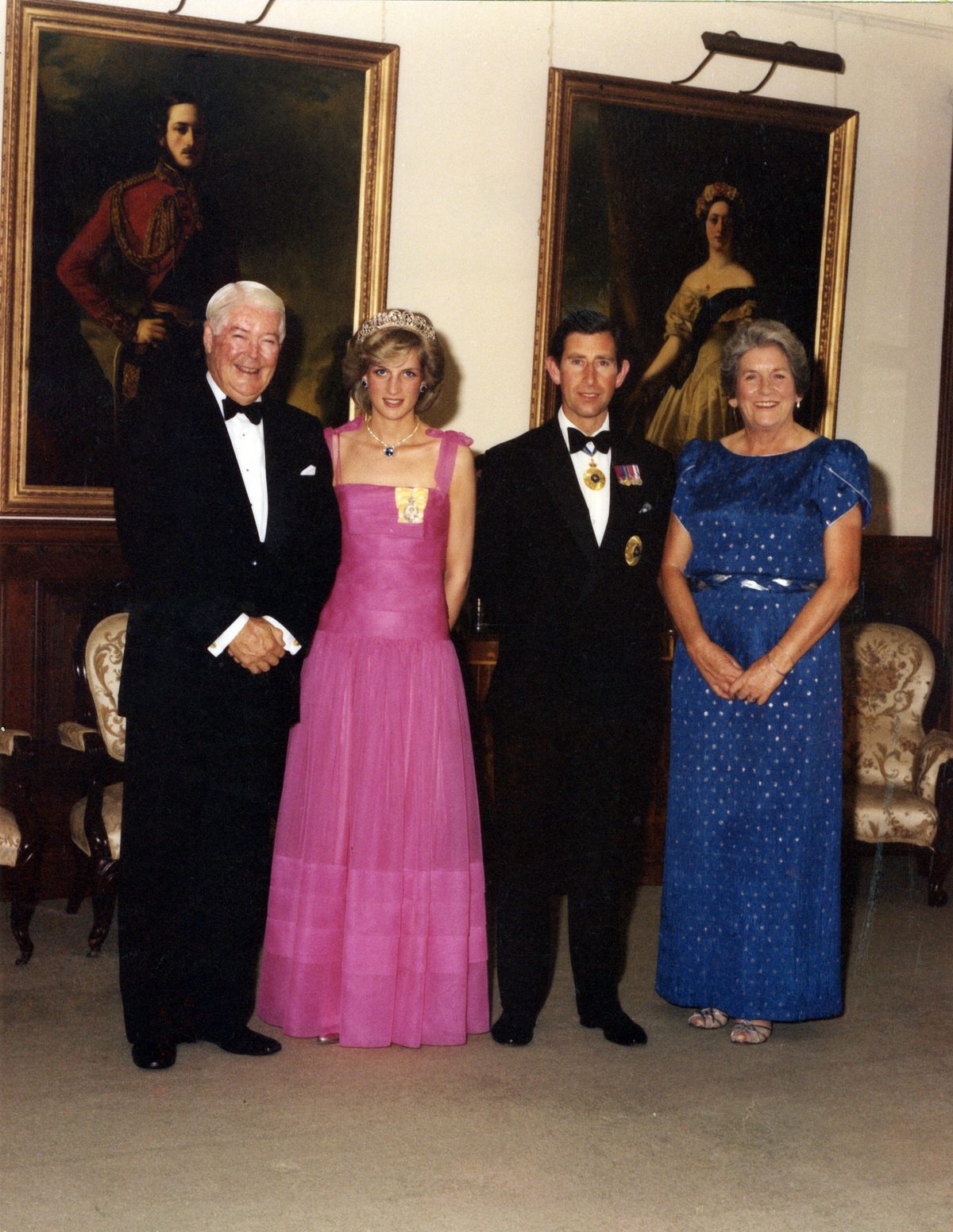
📷 Photo: Queensland State Archives. Public domain via Wikimedia Commons.