In the annals of the British monarchy, some stories remain untold, tucked away within the folds of royal cloaks and close family confidences. One such story rose to light, quietly and softly, after the passing of Prince Philip, the Duke of Edinburgh. Among his personal possessions was found a small, well-worn Greek Orthodox Bible. For an astounding 73 years, it was his quietly steadfast companion. Why a prince so renowned for his British allegiance and service chose to carry this relic remains an enigma, a piece of his soul stretching back through time to the earliest chapters of his astonishing life.
The Prince in the Crate
Theirs was a royal life begun amid tumult and flight. Born in 1921 to Prince Andrew of Greece and Denmark and Princess Alice of Battenberg, Prince Philip was a handsome, golden-haired child who had royal blood running strong through his veins. However, the tides of fortune have a way of turning, and they turned with unforgiving swiftness in Greece. Soon after Philip's birth, the political situation shifted dangerously—a coup, a dethronement—and the family was exiled. It was amidst this backdrop of instability and uncertainty that a young Philip left Greece, not to be cradled in noble hands but smuggled aboard a British Naval vessel within the confines of an orange crate—an image as poignant as it is paradoxical for a royal prince.
Among the few possessions his family took was a small Greek Orthodox Bible. How poignant it must have been, a token of faith clutched by his family as they navigated turbulent waters towards an uncertain future. It became, symbolically and literally, a lifeline to a past now unreachable, and it remained quietly beside him as his life unfolded across new shores.
A Peripatetic Royal Life
Philip's juvenile years unfolded against a backdrop worthy of its own novel. In a life splintered between various relatives in Paris, Germany, and Britain, his education evolved under the watchful eyes of mentors ranging from the stately walls of Gordonstoun School in Scotland to the verdant landscapes of Germany's Salem School. Rootlessness was a constant companion, and while his royal status may have opened doors, it also left lingering questions about his identity, belonging, and heritage. Perhaps it is here, amid unspoken whispers of "where is home?" that the significance of his Greek faith and his secret Bible finds resonance.
The quiet book, undisclosed and unobtrusive, was a secret that threaded its way through these formative years. Had it become a silent link to his early ancestry in the midst of lessons in discipline and rigor? Or a mental anchor amid the Greek Orthodox liturgies he recalled from his early days?
The Consort's Resilient Faith
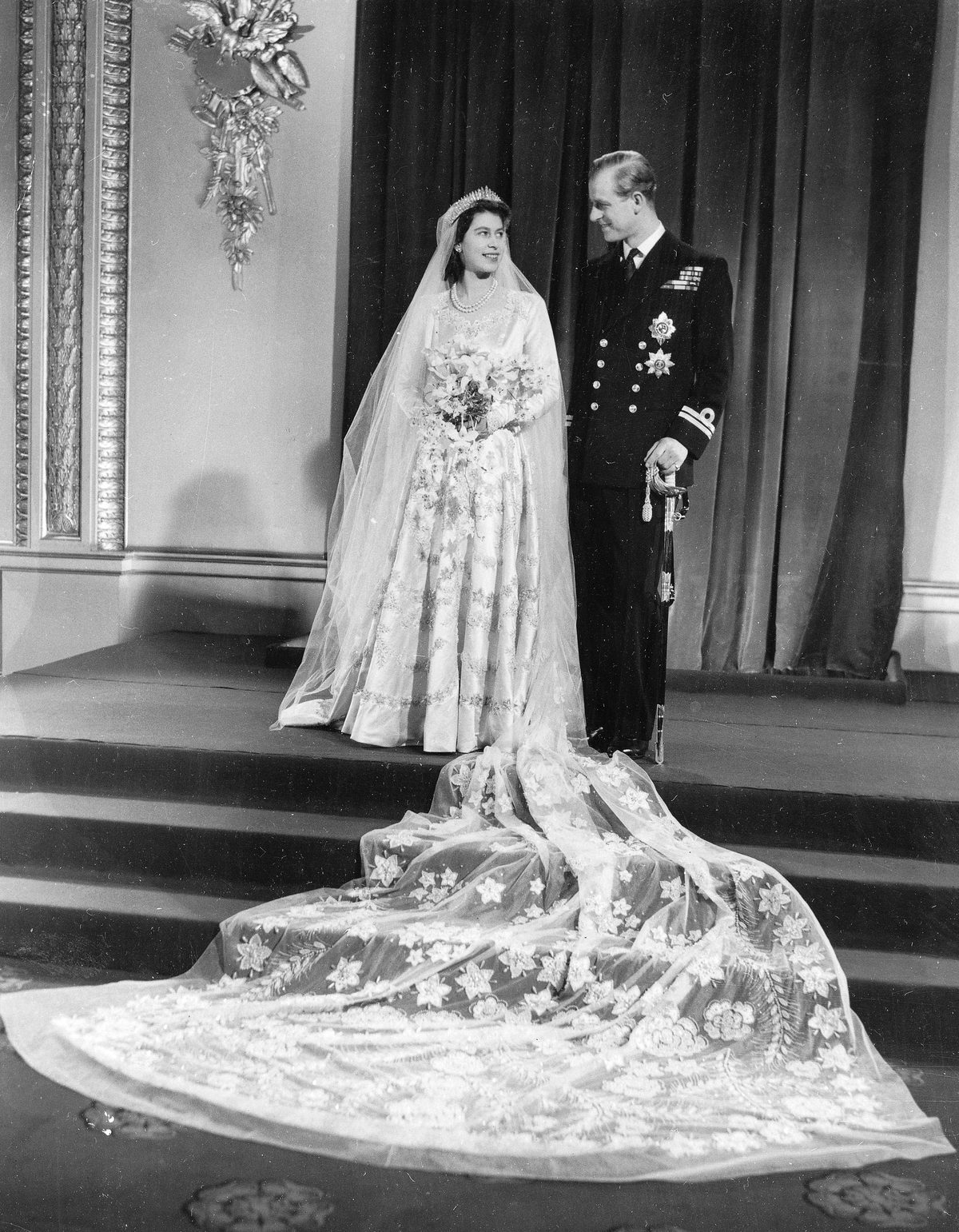
It was in 1947, through marriage into the British royal family, that Prince Philip's isolated wanderings coalesced, albeit within the public eye. To wed Princess Elizabeth, heir apparent, Philip made significant sacrifices. Among them, he adopted British nationality, forsaking his titles as Prince of Greece and Denmark and embracing Anglicanism over his traditional Orthodox faith. Yet, the small Greek Orthodox Bible remained. Its presence reveals quiet reverberations of his continued affection for the Greek culture and orthodox practices, steadfast amid the pomp and ceremony that accompanied his emergence onto the world stage.
Philip’s life in the shadow of the throne was far from ordinary. Renowned for his decisive spirit, extraordinary service to both the Royal Navy and as the Queen’s enduring consort, his stride through history was nothing short of remarkable. Yet, behind the public façade, behind the sound of official engagements, lay this unbroken connection—a secret reflection of resilience, quietly reminding him of roots that neither exile nor time could erase.
A Private Legacy Revealed
In 2021, the world paused as news of Prince Philip's passing heralded the end of an era. Eulogy after eulogy paid fitting tributes to his unwavering service, his undeniable wit, and his often underappreciated contributions to public life. Yet, the revelation of the Greek Bible among his personal effects provided an enlightening footnote to his legacy—an artifact unceremoniously nestled among his life's collected mementos, silent yet profound evidence of a deeply personal journey.
To carry such a Bible for over seven decades without ever publicly acknowledging it highlights Philip's characteristic reticence in sharing personal trials and triumphs. This story of the Bible also emerged as an allegory of the innately human drive to honor one’s past amidst relentless demands and scrutiny. It underscored a touching aspect of the prince’s personal faith, manifesting not in grand declarations but in small, continuous acts of remembrance.
An Heirloom of Enduring Connection
As we reflect on Prince Philip's remarkable life, the discovery of his Greek Bible casts new light on our understanding of this great man—one who embraced his public life with impeccable fortitude yet cradled his personal heritage with a discrete reverence. The resilience with which he carried pieces of his identity through life's grand journey is a story that resonates far beyond royal confines.
In connecting the royal past to today, we glean something universal about the enduring power of objects to anchor us through time, place, and personal evolution. In these talismans, whether grand or modest, we glimpse our narratives—they sustain connections to our origins, affirm our experiences, and enrich our stories. Prince Philip's story, quietly accompanied by his Greek Bible, continues to inspire us through its subtle yet profound expression of identity, legacy, and the undying hope carried within each of us.
📷 Photo: Associated Press. Public domain via Wikimedia Commons.