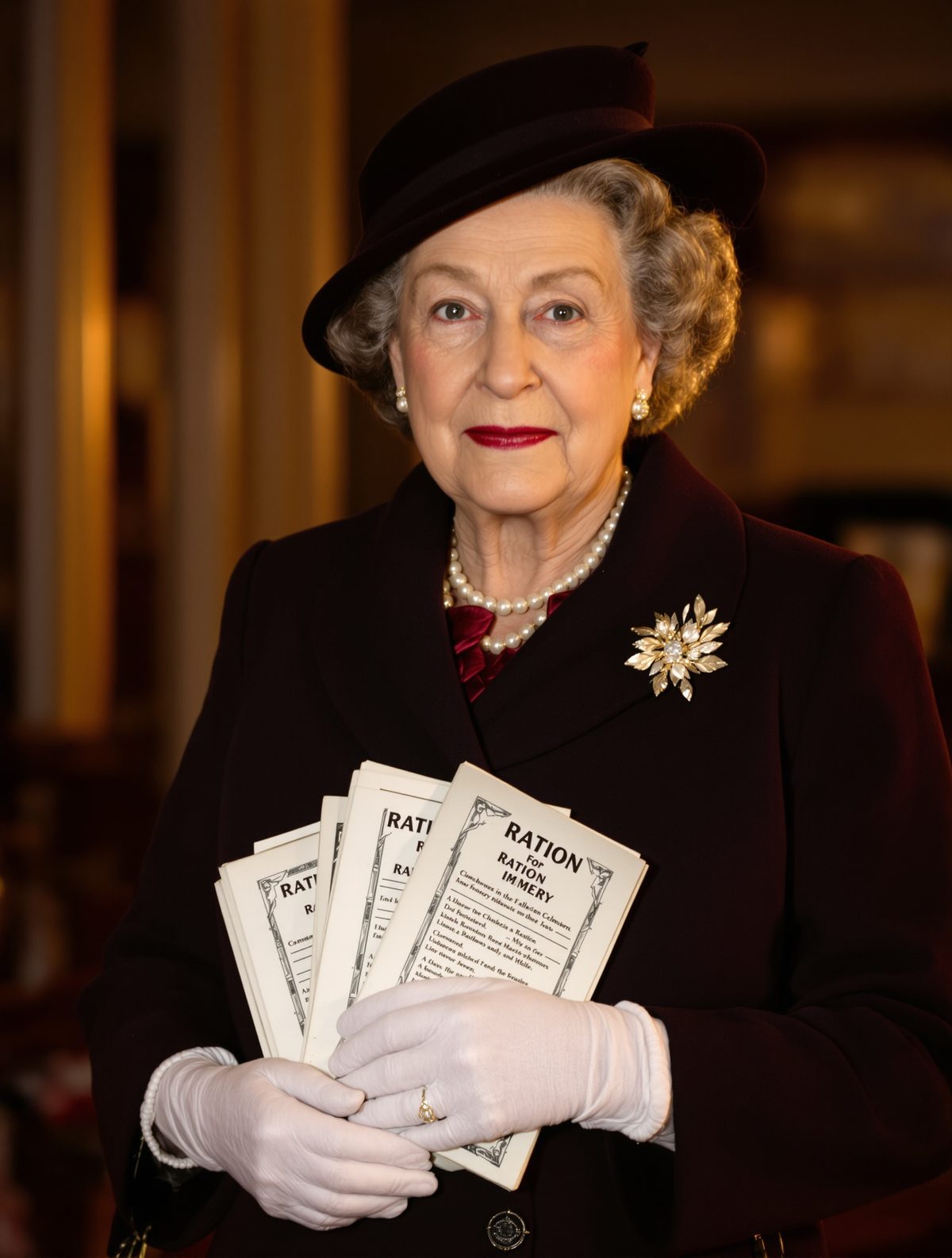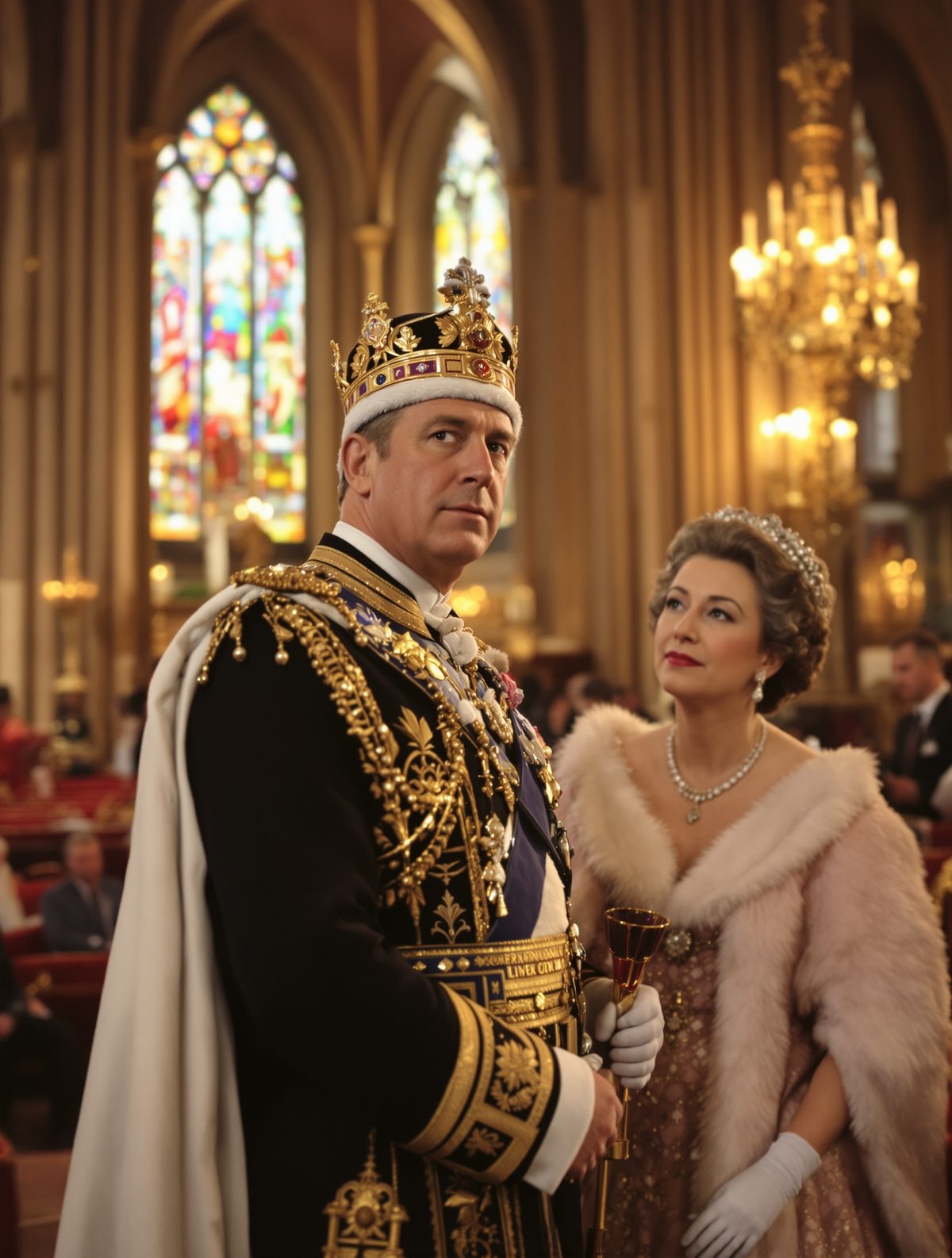
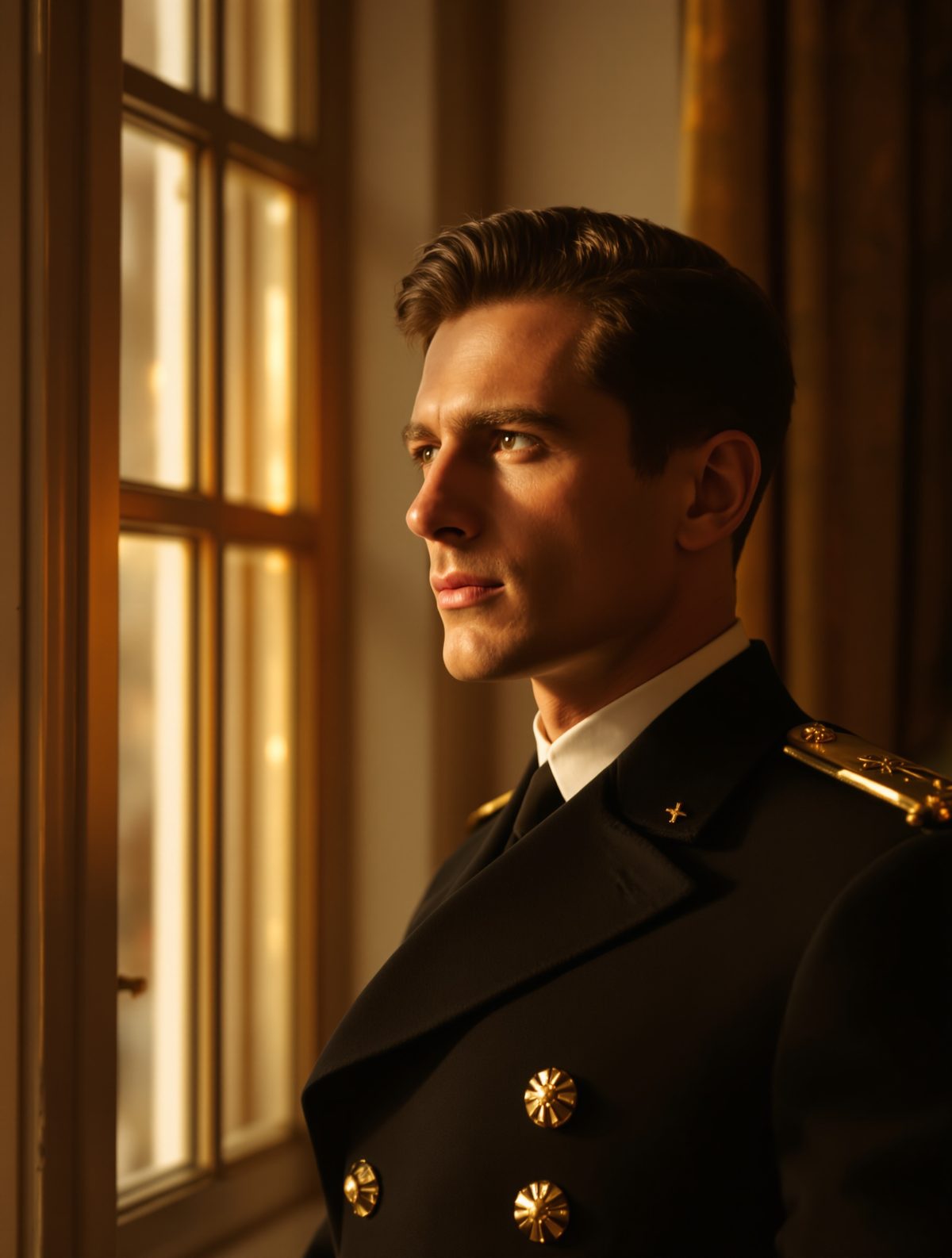
Long before he became the Duke of Edinburgh, a young Prince Philip of Greece was deeply smitten with a brilliant debutante who spent her days cracking Nazi codes at Britain's most secret wartime facility. While the world knows the fairy-tale romance that blossomed between Philip and Princess Elizabeth, few are aware of the captivating love story that preceded it—one that unfolded against the dramatic backdrop of wartime London, featuring a remarkable woman whose intelligence work helped win the war.
The Debutante Codebreaker
Osla Benning was no ordinary society girl. Born in 1918 to a Canadian father and English mother, she possessed the rare combination of stunning beauty and exceptional intellect that made her a standout figure in London's social circles. After making her debut in 1938, Osla could have easily settled into the comfortable life expected of well-connected young women of her era. Instead, when war broke out, she answered a mysterious recruitment call that would place her at the very heart of Britain's intelligence operations.
By 1940, Osla had joined the ranks of the brilliant minds working at Bletchley Park, the top-secret facility in Buckinghamshire where Britain's finest mathematicians, linguists, and puzzle-solvers worked tirelessly to break enemy codes. Her role was far from ceremonial—she was part of the team deciphering intercepted German naval communications, work that proved crucial to the Battle of the Atlantic and ultimately to Allied victory.
The contrast between her two worlds could hardly have been more striking. By day, she hunched over complex cipher machines in the austere huts of Bletchley Park, bound by the strictest secrecy. By night, when her shifts allowed, she transformed into one of London's most sought-after companions, dancing at the fashionable nightclubs that remained defiantly open despite the Blitz raging overhead.
A Prince Without a Crown
It was in these wartime social circles that Osla encountered Prince Philip of Greece and Denmark, then a dashing young naval officer whose own life had been marked by upheaval and uncertainty. Born into the Greek royal family in 1921, Philip had experienced a childhood of exile and displacement after his family fled Greece when he was just eighteen months old. By the time he met Osla, he was a midshipman in the Royal Navy, having distinguished himself at the Royal Naval College, Dartmouth.
Philip in the early 1940s was strikingly handsome, with piercing blue eyes and an athletic build honed by his naval training. More importantly, he possessed an irreverent wit and adventurous spirit that set him apart from the often stuffy circles of wartime society. Despite his royal blood, he was essentially a prince without a kingdom—his Greek title carried little practical weight, and his future remained uncertain.
The young prince was captivated by Osla's intelligence and vivacity. She, in turn, was drawn to his unconventional charm and the hint of vulnerability beneath his confident exterior. Their relationship blossomed during the darkest days of the war, when the German bombardment of London created an atmosphere where normal social conventions seemed less important than seizing moments of joy and connection.
Dancing Through the Blitz
Their romance played out against the extraordinary backdrop of wartime London, where the constant threat of air raids created an atmosphere of heightened emotion and urgency. The couple was frequently spotted at the 400 Club in Leicester Square, one of the capital's most exclusive nightspots, where they would dance until the early hours despite the bombs falling outside.
Philip's naval duties often took him away for weeks at a time, but when he was on shore leave, the pair made the most of their time together. They attended theatre performances, dined at fashionable restaurants, and joined house parties at the country estates of friends who had remained in England despite the war. Osla's work at Bletchley Park meant she could never discuss the most significant part of her life, but Philip—bound by his own military secrecy—understood the need for discretion.
Those who knew them during this period described their relationship as intense and genuine. Philip, who had experienced little stability in his personal relationships, seemed particularly drawn to Osla's combination of intelligence and warmth. She provided a anchor of sorts—someone who could match his wit while offering the kind of emotional support his rootless existence had lacked.
The relationship was serious enough that friends speculated about marriage, though both were young and their futures uncertain. Philip's prospects remained unclear—he was committed to his naval career but had few financial resources and a complicated family background. Osla, meanwhile, was deeply engaged in work she found meaningful, even if she couldn't discuss its importance with anyone outside Bletchley Park.
When Duty Called
The turning point came in 1943, when Philip was invited to spend Christmas at Windsor Castle as a guest of the royal family. It was during this visit that his relationship with Princess Elizabeth, then seventeen, began to develop into something more serious than the childhood acquaintance it had been during their earlier encounters. Elizabeth had been smitten with the young naval officer since she was thirteen, keeping his photograph on her mantelpiece and writing to him regularly.
Philip found himself at a crossroads. His relationship with Osla had been fulfilling and genuine, but the prospect of marriage to the future Queen of England represented an entirely different kind of future—one that would provide the stability and purpose his life had lacked. It was also, unmistakably, his duty. As a prince without a kingdom, marriage to the heir to the British throne offered not just personal happiness but a chance to serve a greater cause.
The end of Philip's relationship with Osla was handled with characteristic discretion. There were no dramatic scenes or bitter recriminations—both understood the forces at play and the impossibility of competing with destiny. Osla, with her intelligence background, undoubtedly recognized the strategic importance of a strong royal marriage during Britain's recovery from war.
Philip's decision was made easier by his growing affection for Elizabeth, whose steady devotion and sense of duty complemented his own desire to find meaningful service. By 1946, he was spending increasing amounts of time at Buckingham Palace and other royal residences, while his appearances in London's social scene became less frequent.
The Road Not Taken
Osla Benning went on to marry John Henniker-Major, 8th Baron Henniker, in 1946, the same year that Philip's engagement to Princess Elizabeth was being privately discussed within royal circles. She remained discreet about her wartime romance throughout her life, understanding that some stories belonged to history rather than to gossip columns. Her work at Bletchley Park remained classified for decades, and she honored that secrecy with the same dedication she had shown to protecting Philip's privacy.
The story of Philip and Osla reminds us that even royal destinies are shaped by human choices and genuine emotions. Philip's path to becoming the Duke of Edinburgh was not inevitable—it required conscious decisions about duty, service, and love. His relationship with Osla represented a different possible future, one where he might have remained a relatively minor royal figure, pursuing his naval career and living a more private life.
Instead, he chose the path that led to over seven decades of service to the Crown, standing beside Queen Elizabeth II through the transformation of the monarchy and the evolution of modern Britain. That choice, made during those pivotal wartime years, shaped not only his own destiny but the future of the royal family itself. The young prince who once danced until dawn in wartime nightclubs became the unwavering consort who helped guide the monarchy through the challenges of the twentieth and twenty-first centuries—a transformation that began with a difficult but decisive choice between love and duty in the aftermath of Britain's finest hour.