The stammering King who never expected to rule faced his greatest fear on coronation day. For weeks, he had secretly rehearsed the ancient oath with Queen Elizabeth, stumbling repeatedly on the same phrase that seemed designed to trip his tongue. What happened next would transform a moment of potential humiliation into one of triumph, thanks to a last-minute act of compassion that changed royal history.
The Reluctant King's Greatest Challenge
When Prince Albert, Duke of York, became King George VI following his brother's abdication in December 1936, he inherited far more than a crown—he inherited a ceremony that would test every fiber of his being. The coronation, scheduled for May 12, 1937, represented the ultimate public speaking challenge for a man whose stammer had plagued him since childhood.
Unlike his charismatic elder brother, the former King Edward VIII, Bertie—as he was known to family—had spent his life in the shadows, never expecting to wear the crown. His speech impediment, which caused him visible distress in public appearances, now threatened to overshadow the most sacred moment in the British constitutional calendar. The ancient words of the coronation oath, unchanged for centuries, seemed almost cruelly designed to challenge his particular difficulty with certain consonants and complex phrases.
The weight of expectation was immense. The ceremony would be broadcast live on radio across the British Empire, reaching an estimated 200 million listeners worldwide. Every stumble, every hesitation, would be heard by subjects from London to Sydney, from Canada to South Africa. For a man who once described public speaking as "a nightmare," the prospect must have seemed almost unbearable.
Secret Rehearsals at the Palace
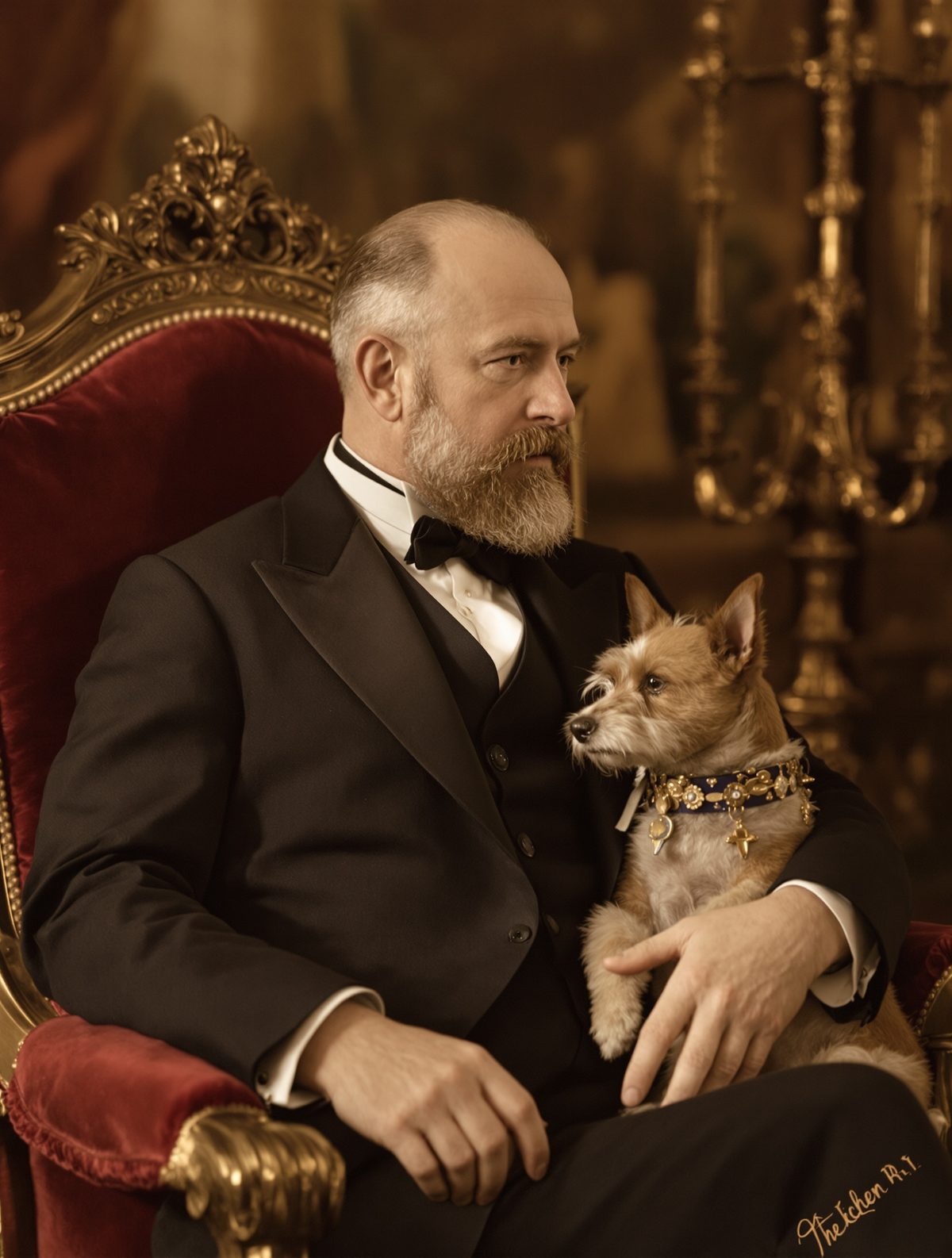
Determined not to let the nation down, King George VI began an intensive, secret rehearsal schedule weeks before the coronation. In the privacy of Buckingham Palace, with only Queen Elizabeth as his witness and supporter, the King practiced the oath repeatedly. These private sessions reveal the deeply human side of monarchy—a nervous husband seeking comfort from his wife as he prepared for the most public moment of his reign.
Queen Elizabeth, later beloved as the Queen Mother, proved an invaluable rehearsal partner. Her patience and encouragement during these difficult practice sessions demonstrated the strength of their partnership, which would sustain the monarchy through the coming challenges of World War II and beyond. She understood better than anyone the agony her husband experienced when his stammer took hold, the frustration of knowing exactly what he wanted to say but being unable to force the words past his lips.
Despite hours of practice, one particular phrase in the ancient oath consistently caused the King to stumble. The exact wording, preserved unchanged since medieval times, contained a combination of sounds that seemed to trigger his speech difficulties every single time. No amount of practice, breathing exercises, or encouragement from his wife could help him master this troublesome passage. As coronation day approached, this single phrase loomed as a potential moment of public humiliation.
The Archbishop's Act of Compassion
Dr. Cosmo Lang, the Archbishop of Canterbury who would crown the King, was acutely aware of His Majesty's difficulties. The Archbishop had witnessed the King's struggles during rehearsals at Westminster Abbey and understood the profound anxiety surrounding the ceremony. In the religious hierarchy, Dr. Lang held enormous responsibility—not only for the spiritual significance of the coronation but for ensuring the ceremony proceeded smoothly before the watching world.
On the morning of May 12, 1937, as final preparations were made in Westminster Abbey, Archbishop Lang made a crucial decision. Recognizing that the traditional wording of the oath would likely cause the King distress, he quietly altered a single word in the problematic phrase. This small change maintained the oath's meaning and legal validity while removing the specific combination of sounds that had consistently troubled the King during practice.
The Archbishop's modification was done without fanfare or announcement. Indeed, most observers in the Abbey would have been unaware that any change had been made to the ancient formula. It was a discreet act of pastoral care, showing how the Church of England's leadership understood their role not just as guardians of tradition, but as supporters of the monarch as a human being facing an extraordinarily difficult moment.
Triumph in Westminster Abbey
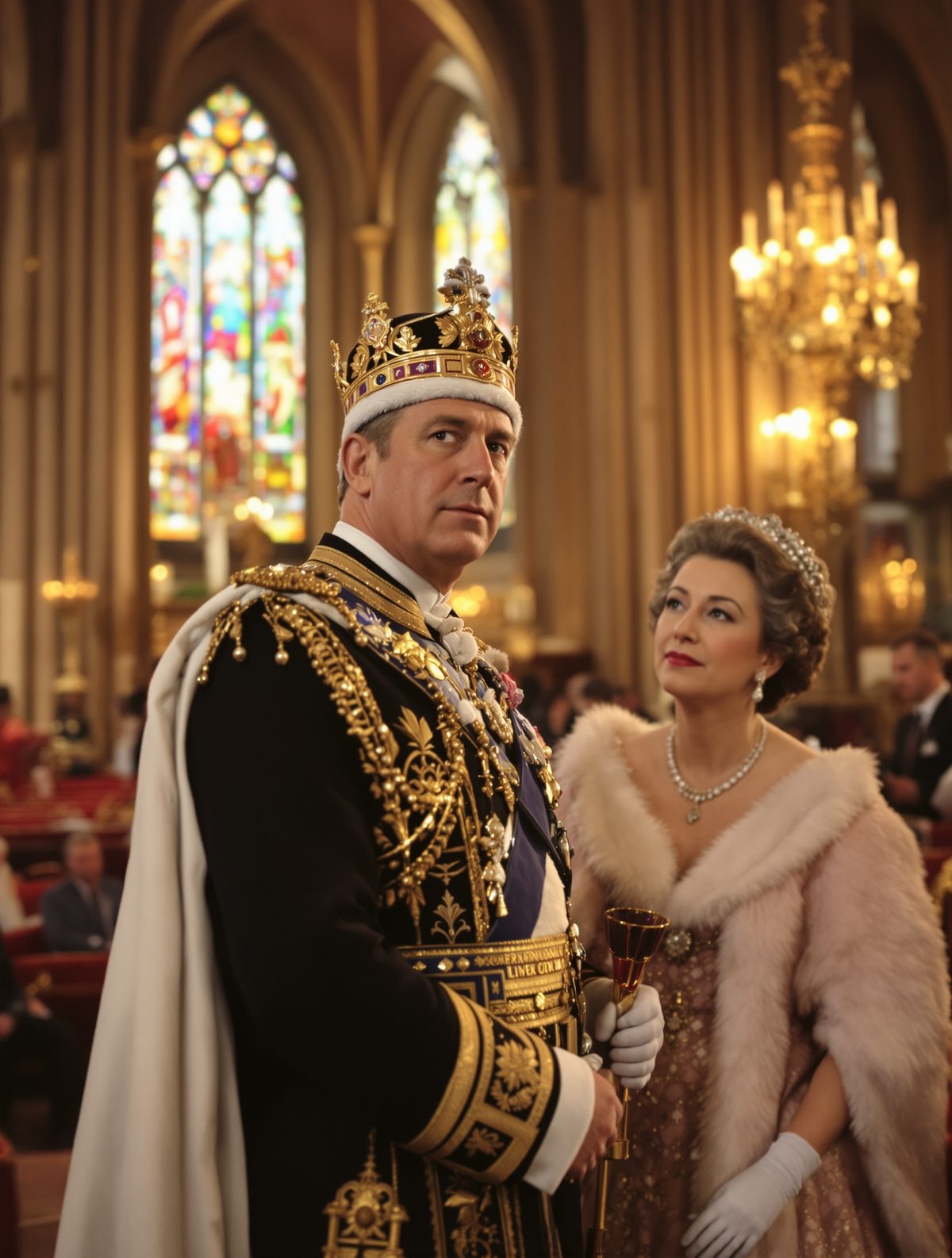
When the moment arrived for the King to speak his coronation oath, the packed Abbey fell silent. Peers and peeresses in their finest robes, foreign dignitaries, and members of the royal family all watched as King George VI prepared to make his sacred promises to the nation. The BBC's microphones carried every word to listeners across the Empire, while newsreel cameras captured the scene for posterity.
Thanks to Archbishop Lang's compassionate intervention, the King delivered the oath flawlessly. The words that had caused him such difficulty in private practice now flowed smoothly, his voice clear and steady as he promised to govern his peoples with justice and mercy. Queen Elizabeth, watching from her own throne, must have felt immense relief and pride as her husband navigated this crucial moment with dignity and grace.
The successful delivery of the oath set the tone for the entire ceremony. King George VI's confidence grew visibly as the service progressed, and by its conclusion, he had firmly established himself as a monarch worthy of the crown that had come to him so unexpectedly. The man who had once been terrified of public speaking had found his voice at precisely the moment when his people needed to hear it.
A Legacy of Understanding
The story of King George VI's coronation oath practice reveals profound truths about leadership, courage, and the human face of monarchy. It shows how even kings must confront their deepest fears, and how the support of loved ones—and the understanding of others—can transform potential failure into triumph. The Queen Mother's patient encouragement and Archbishop Lang's compassionate flexibility created the conditions for success where rigid adherence to tradition might have caused unnecessary suffering.
This episode also highlights the collaborative nature of constitutional monarchy. While the King bore the ultimate responsibility for his performance, his success depended on the understanding and support of those around him. From his wife's private encouragement to the Archbishop's public accommodation, the institution of monarchy showed its capacity to adapt quietly and humanely to individual circumstances while maintaining its essential dignity and purpose.
Today, as we witness the continued evolution of the British monarchy, King George VI's coronation reminds us that true strength often lies not in perfection, but in the courage to face our greatest fears with preparation, support, and grace. His legacy suggests that the most memorable moments of royal history often emerge not from flawless performances, but from very human struggles met with determination and compassion.