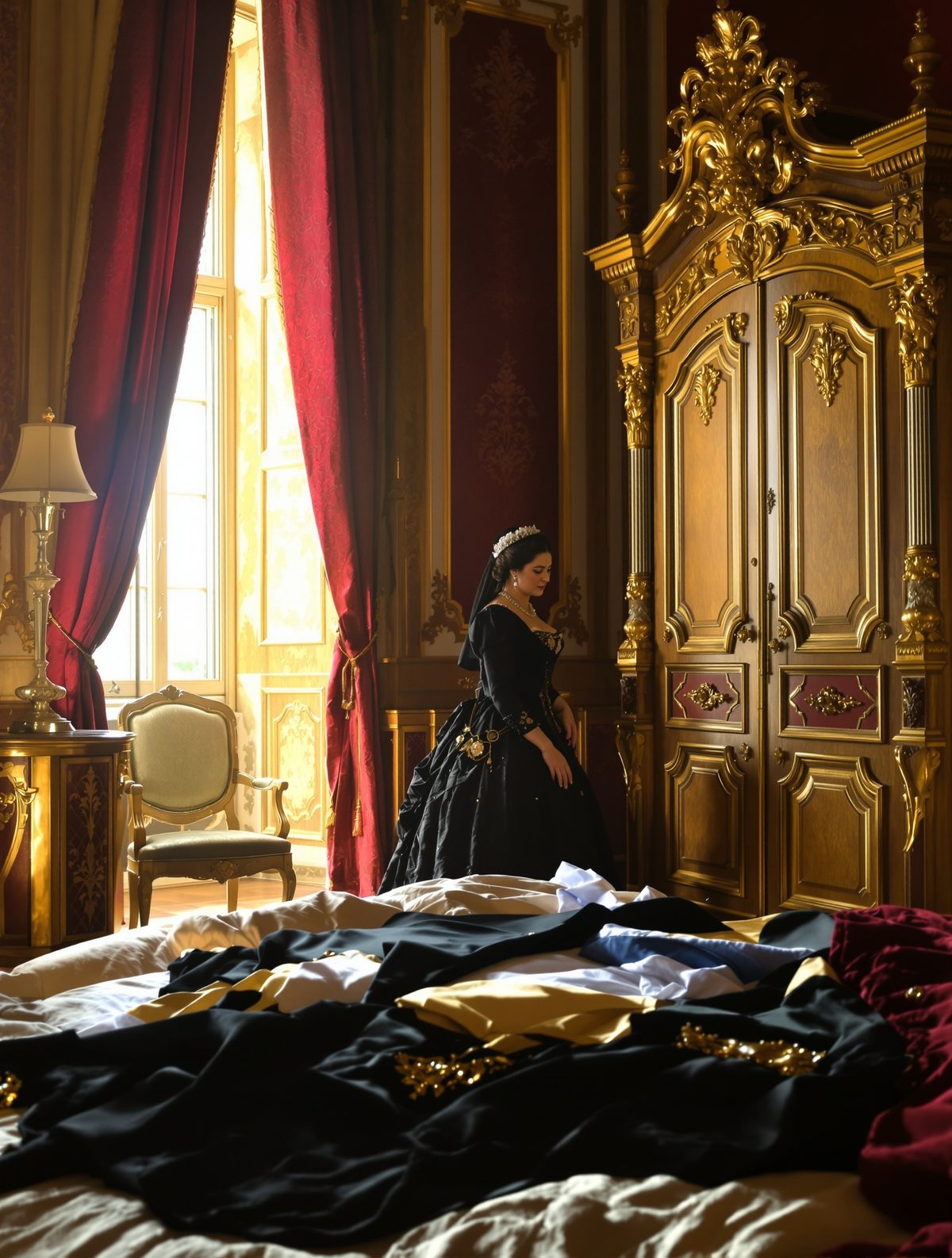
In the hushed corridors of Windsor Castle during the 1860s, palace servants whispered about their Queen's most peculiar morning ritual. Every day at precisely six o'clock, Victoria would slip from her bed and pad silently across the cold floors to a room that had remained untouched for years. There, in the dim light of dawn, she would carefully select and lay out a complete gentleman's outfit—shirt, waistcoat, trousers, and accessories—arranging each piece with the tender precision of a devoted wife preparing for her husband's day ahead. The heartbreaking truth was that Prince Albert had been dead for three years, yet Victoria's love refused to acknowledge his absence.
A Love Beyond Death
The depth of Queen Victoria's devotion to Prince Albert became legendary even during their lifetime together, but nothing prepared the royal household for the profound grief that would consume her after his death in December 1861. What began as a natural period of mourning evolved into something far more complex—a complete restructuring of her daily life around the memory of her beloved consort.
Palace staff, initially respectful of their sovereign's need for privacy in her grief, gradually became aware that Victoria's morning routine had taken on an almost ritualistic quality. Every single morning, without exception, she would rise before the rest of the household stirred and make her way to Albert's dressing room, which she had ordered to be maintained exactly as he had left it.
The servants, sworn to discretion, watched with a mixture of admiration and concern as their Queen performed this daily act of remembrance. She would open the great mahogany wardrobes that still held Albert's extensive collection of clothing, running her fingers along the fabrics before making her selections. Each outfit was chosen with care, as if Albert might indeed appear at any moment to dress for the day's obligations.
The Preserved World of Prince Albert
Victoria's morning ritual was just one part of an elaborate preservation of Albert's presence throughout the royal residences. She had given strict instructions that his rooms were to remain untouched, creating what amounted to shrines to her late husband's memory. Fresh hot water was brought to his washstand every morning, clean towels were laid out, and his personal effects remained precisely where he had left them.
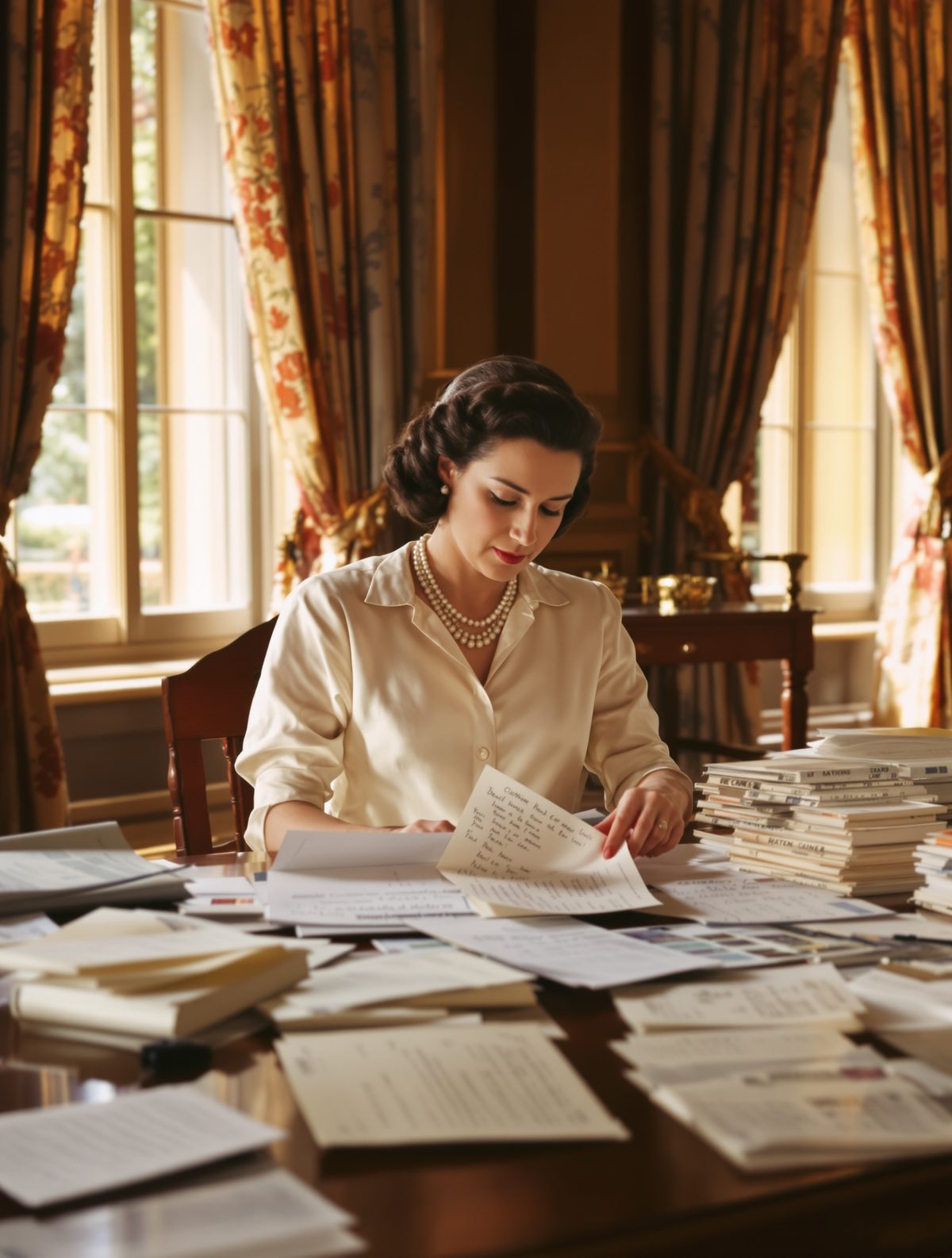
The Queen's obsession with maintaining Albert's physical presence extended far beyond his clothing. She insisted that his side of the bed be prepared each night, his pillow plumped and positioned just as it had been during his lifetime. In his study, papers remained scattered across his desk exactly as he had left them, and she would often be found sitting in the chair opposite his, conducting imaginary conversations about matters of state.
The Blue Room at Windsor Castle, where Albert had drawn his final breath, became particularly sacred to Victoria. She transformed it into a memorial chamber, ensuring that everything remained frozen in time from that December day in 1861. The very bed linens were preserved, and she would visit daily, sometimes spending hours in silent contemplation.
A Household Walking on Eggshells
For the royal servants, navigating Victoria's grief became an intricate dance of sensitivity and protocol. They learned to move with exceptional quiet during the early morning hours, understanding that any disturbance of the Queen's private ritual would be met with fierce displeasure. The domestic staff developed an almost supernatural ability to anticipate her needs while remaining invisible during these sacred moments.
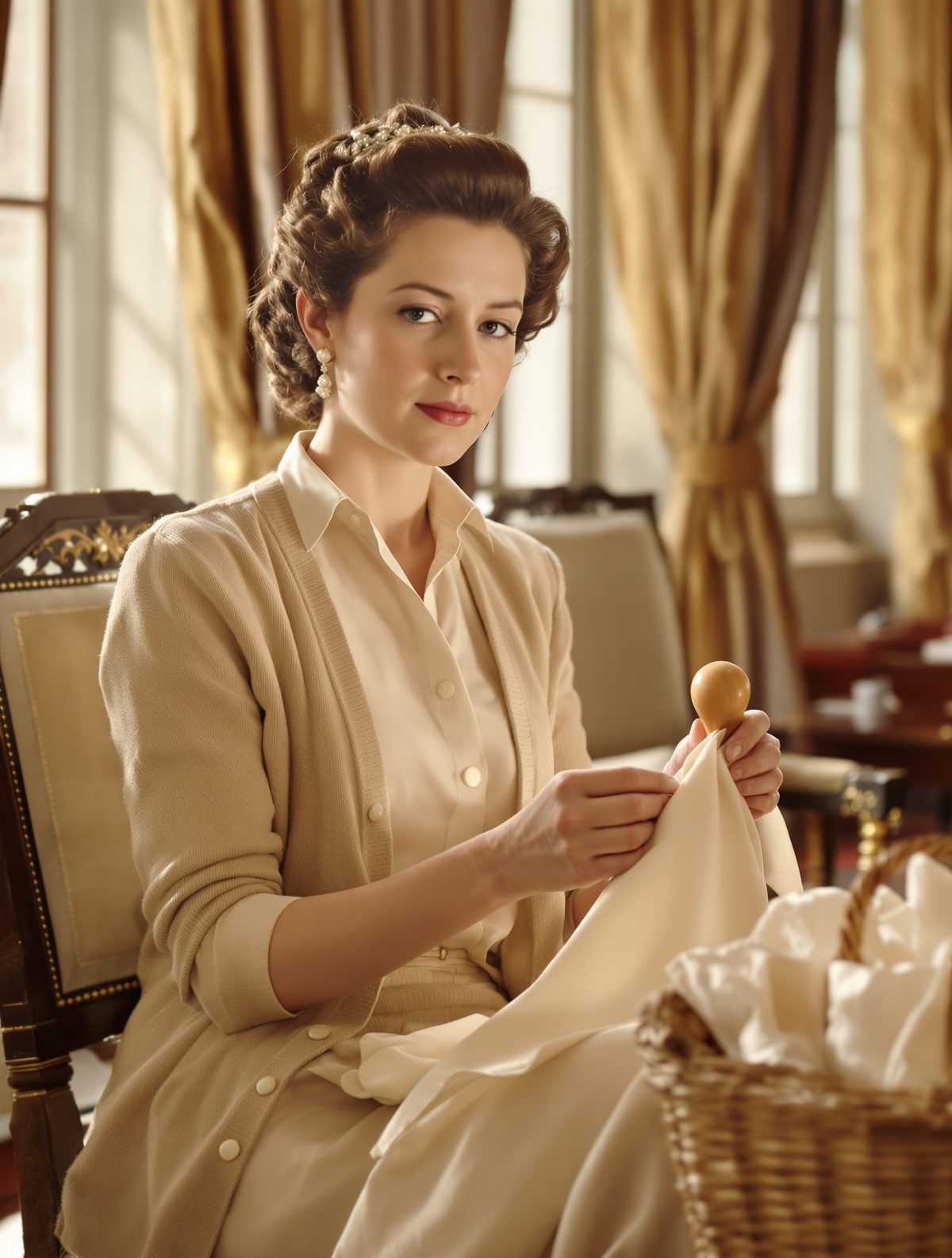
Contemporary accounts from palace workers reveal the extraordinary lengths to which the household went to accommodate Victoria's devotion to Albert's memory. Valets continued to maintain his clothing as if he were still alive, brushing and pressing garments that would never again be worn. Housemaids dusted his personal belongings daily, ensuring that everything remained in perfect condition for the Queen's morning visits.
The emotional toll on the servants was considerable. Many had known and served Prince Albert personally, and witnessing their Queen's profound grief day after day created an atmosphere of perpetual mourning throughout the royal residences. Yet their loyalty never wavered—if maintaining this elaborate preservation brought Victoria comfort, then they would ensure every detail was perfect.
The Psychology of Royal Grief
Victoria's morning ritual reveals the very human heart beating beneath the crown. Her refusal to accept Albert's absence, manifested through these daily preparations of his clothing, speaks to a love so complete that death seemed merely a temporary inconvenience. Modern understanding of grief recognizes such behaviors as part of the complex process of coming to terms with profound loss.
What made Victoria's grief particularly intense was not just the depth of her love for Albert, but also her complete dependence on him as both husband and political advisor. Albert had been her constant companion in matters of state, her intellectual equal, and her emotional anchor. His sudden death at just 42 years old left her not only personally devastated but professionally adrift in a way that few could understand.
The clothing ritual can be seen as Victoria's attempt to maintain some semblance of their shared daily routine. By preparing his clothes each morning, she was, in essence, keeping alive the rhythm of their married life together. It was her way of saying that while Albert might be physically absent, their partnership would continue in whatever form she could manage.
The Queen's devotion to preserving every aspect of Albert's presence transformed the royal palaces into living museums of their love story, where time stood still in rooms that echoed with memories of happier days.
Legacy of an Undying Love
Victoria's decade-long morning ritual eventually became the stuff of palace legend, passed down through generations of royal servants as a testament to the transformative power of true love. While the Queen would eventually emerge from the deepest period of her mourning to become the formidable matriarch of her later years, she never abandoned her devotion to Albert's memory.
This daily act of love and remembrance offers us a glimpse into the private heart of one of history's most powerful women. Behind the imperial crown and the weight of empire was a woman who understood that love transcends death, and that the daily rituals of devotion can provide comfort in the darkest hours of loss.
Today, as we witness the royal family navigating their own moments of grief and remembrance, Victoria's morning ritual reminds us that even those born to rule are, fundamentally, human beings capable of profound love and devastating loss. Her decade of laying out Albert's clothes each dawn stands as one of the most touching monuments to marital devotion in royal history—a private ceremony of love that transformed a Queen's grief into something sacred.