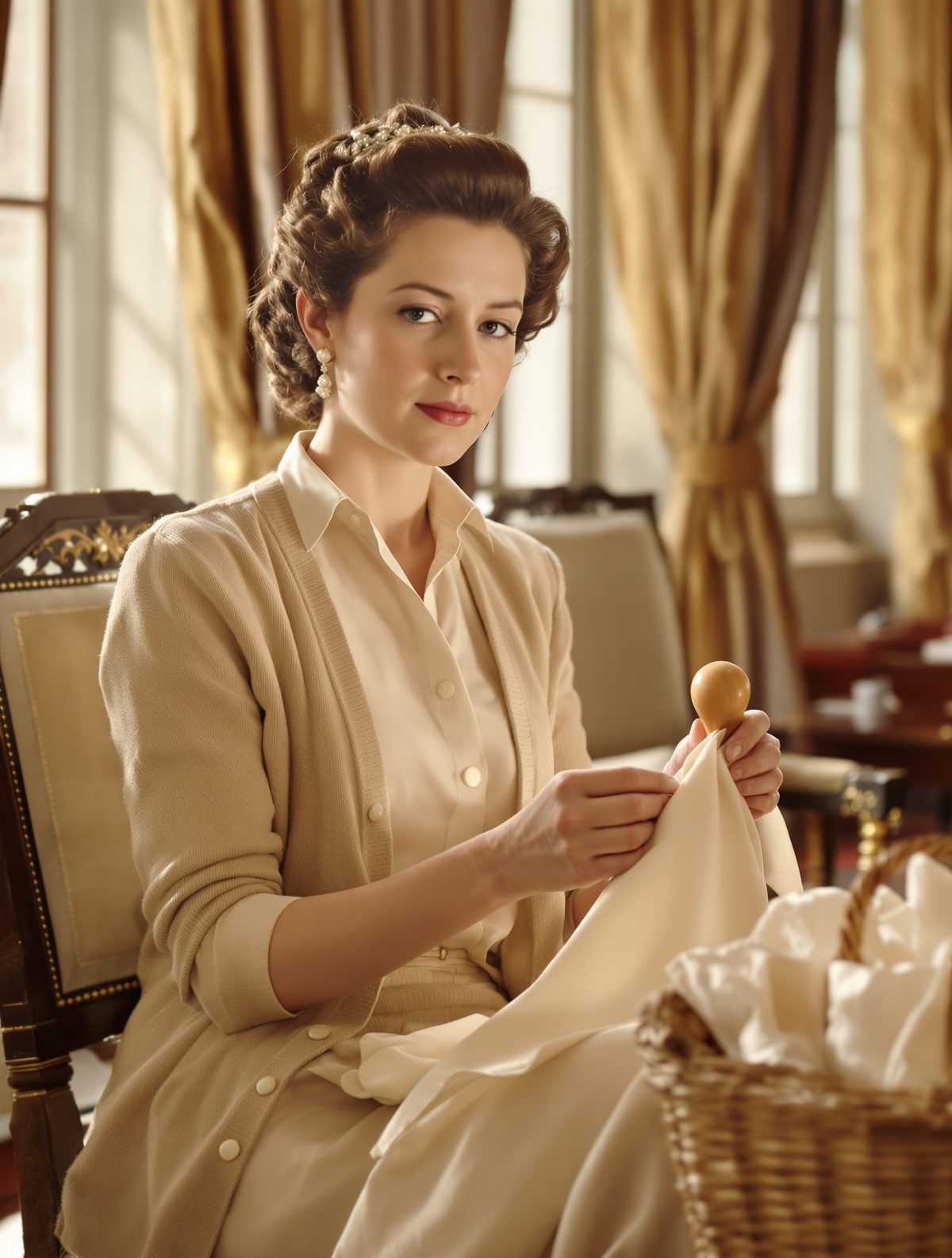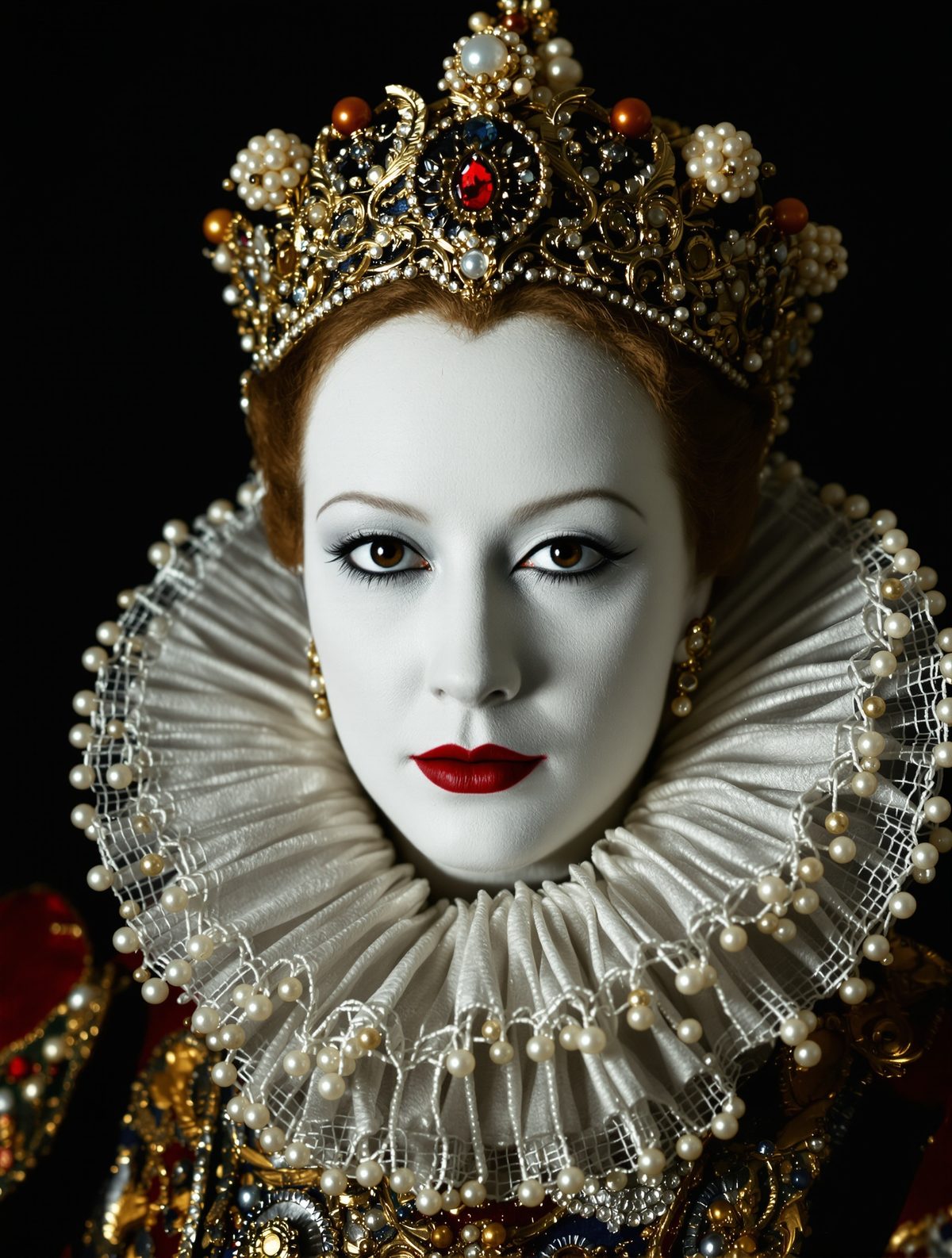
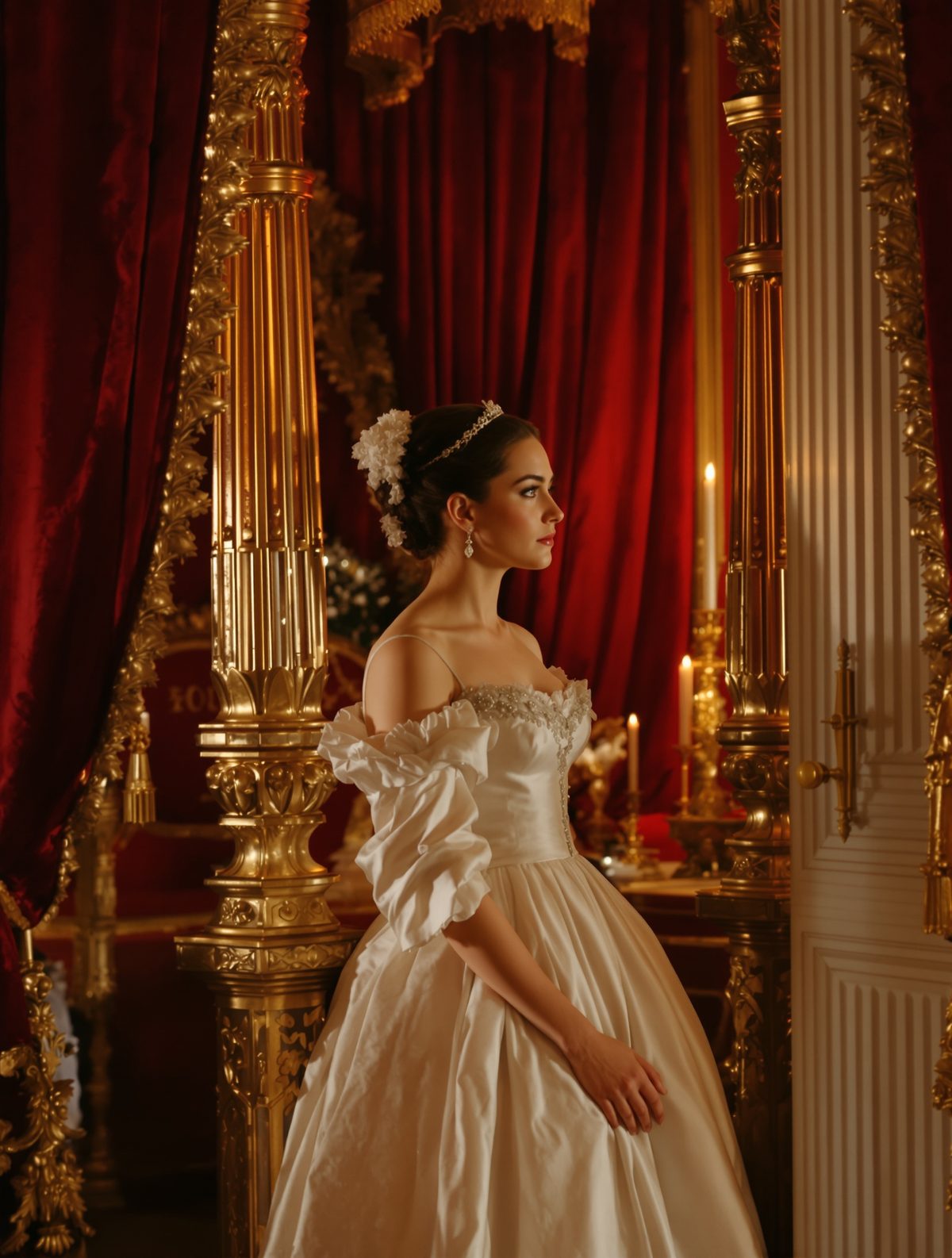
The grandfather clock in Kensington Palace struck midnight on June 19, 1837, marking the beginning of what would become one of the most transformative days in British royal history. While London slumbered, an eighteen-year-old princess made a decision that would echo through the corridors of power for generations to come. Princess Victoria, heir to the throne of the British Empire, quietly but decisively moved her bed out of her mother's room. For the first time in her entire life, she would sleep alone. The iron grip of the Kensington System—the suffocating protocol that had governed every moment of her existence—was about to be shattered by a simple act of defiance that would reshape the very nature of royal independence.
The Gilded Prison of the Kensington System
To understand the magnitude of Victoria's midnight rebellion, one must first appreciate the extraordinary constraints under which she had lived since birth. The Kensington System, devised by her mother, the Duchess of Kent, and her ambitious comptroller Sir John Conroy, was ostensibly designed to protect and prepare the future queen. In reality, it was a web of control that isolated Victoria from the outside world and, crucially, from other members of the royal family who might challenge the Duchess's influence.
Under this rigid regime, Victoria was never permitted to be alone. She could not walk downstairs without holding someone's hand, could not meet people without her mother or governesses present, and most significantly, was required to sleep in her mother's bedroom every single night. The Duchess of Kent had transformed child-rearing into a form of benevolent imprisonment, justified by the constant refrain that danger lurked around every corner.
The young princess's daily routine was meticulously planned and monitored. Her education, while thorough, was carefully curated to ensure she remained dependent on her mother's guidance. Even her recreation was supervised—Victoria's beloved rides in the palace gardens were accompanied by a retinue of attendants, and her correspondence was scrutinized. The system created an environment where the future queen learned protocol and languages, history and politics, but remained emotionally and practically dependent on those who claimed to serve her best interests.
The Making of a Queen in Waiting
Despite the suffocating nature of her upbringing, or perhaps because of it, Victoria developed a remarkably strong will and acute awareness of her destiny. Her journals, which she began keeping as a young teenager, reveal a thoughtful and observant mind that was already questioning the boundaries placed around her. She wrote extensively about her desire for greater freedom and her frustration with the constant supervision, though she expressed these feelings with the careful diplomacy of someone who understood that every word might be scrutinized.
The princess had long been aware that her uncle, King William IV, was gravely ill, and that she would soon inherit the throne. As 1837 progressed, the reality of her approaching reign became increasingly apparent. Court officials began to treat her with greater deference, and the weight of impending responsibility settled upon her young shoulders. Yet still, night after night, she retired to her small bed in the corner of her mother's chamber, a constant reminder of her continued status as a child under supervision.
Victoria's relationship with her mother had grown increasingly strained as she matured. The Duchess of Kent, driven by her own ambitions and influenced by Conroy's counsel, seemed unable to recognize that her daughter was no longer the malleable child who had once accepted every restriction without question. The princess had begun to assert herself in small ways—questioning decisions, expressing preferences, and showing signs of the formidable personality that would later define her sixty-three-year reign.
The Night That Changed Everything
On the evening of June 19, 1837, as news of King William IV's deteriorating condition reached Kensington Palace, Victoria made her fateful decision. The exact details of that night remain somewhat shrouded in palace discretion, but the outcome was unambiguous. When the household retired for the evening, the princess's bed was moved from her mother's room to her own private chamber. It was a quiet revolution, conducted without fanfare or dramatic confrontation, but its significance reverberated through the palace immediately.
This seemingly simple act represented far more than a desire for privacy or comfort. It was Victoria's declaration of independence, her first assertion of the authority that would officially become hers within hours. The Duchess of Kent, by all accounts, was taken aback by her daughter's sudden decisiveness. For eighteen years, she had maintained absolute control over Victoria's living arrangements, and this unexpected rebellion signaled a fundamental shift in their relationship.
The symbolism of the moment was not lost on anyone present. Throughout history, the royal bedchamber has held special significance—it is the most private space in a very public life, and control over access to the monarch's sleeping quarters has always been a marker of influence and power. By claiming her own bedroom, Victoria was effectively serving notice that the era of maternal control was ending, even before her official coronation.
The Dawn of a New Reign
When Archbishop Howley and Lord Conyngham arrived at Kensington Palace at six o'clock the following morning to inform Victoria of her accession to the throne, they found a young woman who had already taken her first step toward independence. The princess received them alone, in her dressing gown, displaying a composure and dignity that impressed even these seasoned courtiers. The contrast with the supervised, chaperoned meetings of her youth was striking and deliberate.
Victoria's first official acts as queen further demonstrated the lasting impact of her midnight rebellion. She immediately requested that she be left alone for an hour—a simple wish that would have been impossible under the Kensington System. She restructured her household, reducing her mother's role to that of any other family member rather than the controlling force she had been. Most tellingly, she relegated the Duchess of Kent to apartments distant from her own, ensuring that the newly crowned Queen Victoria would never again sleep under her mother's watchful eye.
The new queen's assertion of independence extended to her choice of advisors, her daily routine, and even her dining arrangements. Where once every meal had been a formal affair supervised by her mother, Victoria now often chose to dine alone or with companions of her own choosing. The contrast was remarkable—in the space of a single night, the closely monitored princess had transformed into a sovereign who zealously guarded her independence.
A Legacy of Royal Independence
Victoria's midnight rebellion may seem like a small domestic matter, but its implications rippled through British royal history. By establishing the principle that adult royals should maintain their independence, even from well-meaning family members, she set a precedent that continues to influence royal protocol today. Her insistence on personal autonomy while maintaining royal dignity created a template for how monarchs could balance family relationships with their sovereign responsibilities.
The young queen's decisive action on that June night demonstrated the strength of character that would define her legendary reign. She had learned, perhaps from the very restrictions placed upon her, the vital importance of independence for effective leadership. The woman who would go on to give her name to an entire era had announced her intentions not with grand proclamations or public declarations, but with the simple act of claiming her own bedroom.
Today, as we observe how modern royals navigate the delicate balance between public duty and private life, we can trace the roots of that balance back to Victoria's quiet revolution. Her midnight decision to sleep alone was more than teenage rebellion—it was the first act of a queen who understood that true authority must be claimed, not granted, and that even the most beloved family members must sometimes be kept at arm's length for the good of the Crown. In moving her bed, Princess Victoria moved the monarchy itself toward a new understanding of royal independence that continues to shape the institution she served with such distinction.