In the autumn of 1943, as London's skyline bore the scars of relentless bombing, a remarkable figure moved through the darkened streets of Nazi-occupied Athens. Princess Alice of Battenberg, born into British royalty but now living in near-destitution, had transformed her war-torn palace into a sanctuary for persecuted Jewish families. But her courage didn't end at her palace gates. Night after night, this extraordinary woman—who would later become the mother of Prince Philip—ventured into the bombed ruins of Athens, carrying medical supplies and hope to civilians trapped in one of Europe's most dangerous war zones.
A Princess in Exile
Princess Alice's journey to those midnight rounds began long before the first bombs fell on Athens. Born at Windsor Castle in 1885 as the great-granddaughter of Queen Victoria, she had married Prince Andrew of Greece and Denmark in 1903, entering a life that seemed destined for traditional royal splendour. Yet Alice's path proved anything but conventional.
Profoundly deaf from birth, the Princess had learned to lip-read in multiple languages—a skill that would prove invaluable during the war years. Her early life was marked by the tumultuous politics of early 20th-century Europe, with the Greek royal family repeatedly forced into exile. By the time World War II erupted, Alice had already weathered personal tragedies, including a devastating nervous breakdown and separation from her children.
When the war began, Princess Alice made a decision that would define her legacy: she chose to remain in Athens rather than flee to safety. Living in a modest apartment in her brother-in-law's palace, she watched as the city she had come to love fell under Nazi occupation in April 1941. What followed would be three and a half years of extraordinary courage that revealed the true measure of this remarkable royal.
The Palace Becomes a Sanctuary
As the Nazi persecution of Greek Jews intensified, Princess Alice transformed her humble quarters into a secret refuge. The most documented case involves the Cohen family—Rachel Cohen, widow of a former politician, and her children. When the family faced deportation to concentration camps, Alice hid them in her own rooms, despite the enormous personal risk.
The Princess's deafness, which had been a challenge throughout her life, became an unexpected advantage during these dangerous months. When German officers came to search the palace, Alice would meet them calmly, speaking to them in German while pretending not to understand their responses—her deafness providing the perfect cover for her deception. "What a pity," she would say with apparent regret, "I cannot hear." The officers, uncomfortable with her disability and apparent confusion, typically conducted only cursory searches before leaving.
Her efforts extended far beyond offering shelter. Alice coordinated with the Swedish and Swiss Red Cross to smuggle food and medical supplies to hidden families throughout Athens. She sold her remaining jewels—precious heirlooms from her days as a prominent European princess—to fund these rescue operations. By 1943, she was living in genuine poverty, but her commitment never wavered.
Midnight Missions of Mercy
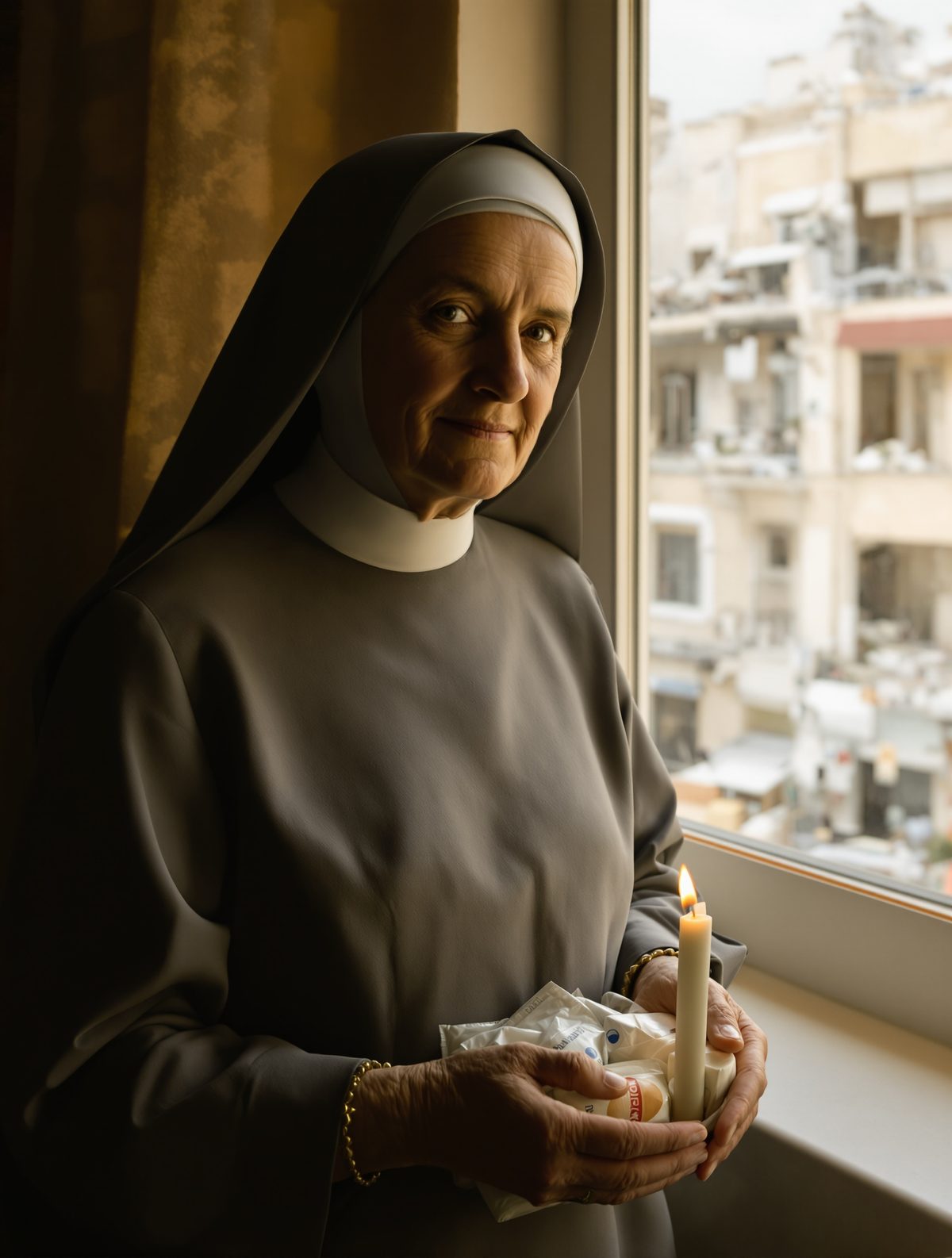
Perhaps most remarkably, Princess Alice began conducting her own medical rounds through bomb-damaged Athens. Drawing on nursing training she had received years earlier, she would venture out after curfew, navigating through rubble-strewn streets to reach wounded civilians who couldn't access proper medical care.
These midnight missions required extraordinary courage. The streets of occupied Athens were patrolled by German soldiers with orders to shoot curfew violators on sight. Yet Alice, then in her late fifties, would make her way through the darkness carrying whatever medical supplies she could gather. She treated wounds, delivered medicine, and provided comfort to families trapped in bombed buildings.
Her royal connections, though greatly diminished, occasionally proved useful. Alice maintained contact with neutral diplomatic missions and international aid organizations, serving as a crucial link between the outside world and Athens's suffering population. She passed intelligence about conditions in the city to Allied contacts while coordinating relief efforts for both Jewish refugees and other civilians.
The Princess's own living conditions during this period were stark. She had little food, limited heating, and often went days wearing the same simple dress. Yet those who encountered her during her nighttime rounds remembered her dignity and determination. Here was a woman who had once dined with kings and queens, now crawling through bombed buildings to reach the wounded, her hands gentle as she bandaged injuries and whispered words of comfort.
Liberation and Recognition
When Athens was finally liberated in October 1944, Princess Alice remained in the city she had served so faithfully. The Greek government, despite its own post-war struggles, officially recognized her contributions to the resistance effort. More importantly, the families she had saved began to share their stories, painting a picture of a royal who had risked everything for others.
The Cohen family, whose rescue remained secret for decades, eventually testified to Alice's courage. Rachel Cohen's son later described how the Princess would sit with them during air raids, her calm presence providing comfort even as bombs fell around the palace. Her acts of heroism were not grand gestures performed before crowds, but quiet, sustained courage demonstrated day after day, night after night.
It wasn't until 1994, nearly thirty years after Princess Alice's death, that she was formally recognized by Yad Vashem, Israel's official memorial to Holocaust victims, as "Righteous Among the Nations"—the highest honour awarded to non-Jews who risked their lives to save Jews during the Holocaust. Prince Philip travelled to Jerusalem to accept the honour on his mother's behalf, finally bringing international attention to her wartime heroism.
A Legacy of Quiet Courage
Princess Alice's midnight rounds through war-torn Athens reveal something profound about true nobility. Here was a woman who had every excuse to flee to safety—she was elderly, deaf, and had family members fighting on various sides of the conflict. Instead, she chose to stay and serve, transforming personal hardship into an opportunity for extraordinary service.
Her story resonates today as we consider what it means to use privilege and position for good. In an era when royal duty is often measured in ribbon-cuttings and state dinners, Princess Alice's example reminds us that the highest calling of leadership is often found in the smallest, most dangerous acts of service. Her midnight missions through bombed streets, performed without cameras or recognition, embody a kind of courage that transcends titles and crowns.
When we see Prince Philip at royal engagements today, or read about the charitable work of the younger royals, we might remember the woman who shaped their understanding of service. Princess Alice's legacy lives on not in grand palaces or glittering ceremonies, but in the quiet knowledge that when tested by history's darkest moment, one royal chose to walk into the darkness and bring light to others.