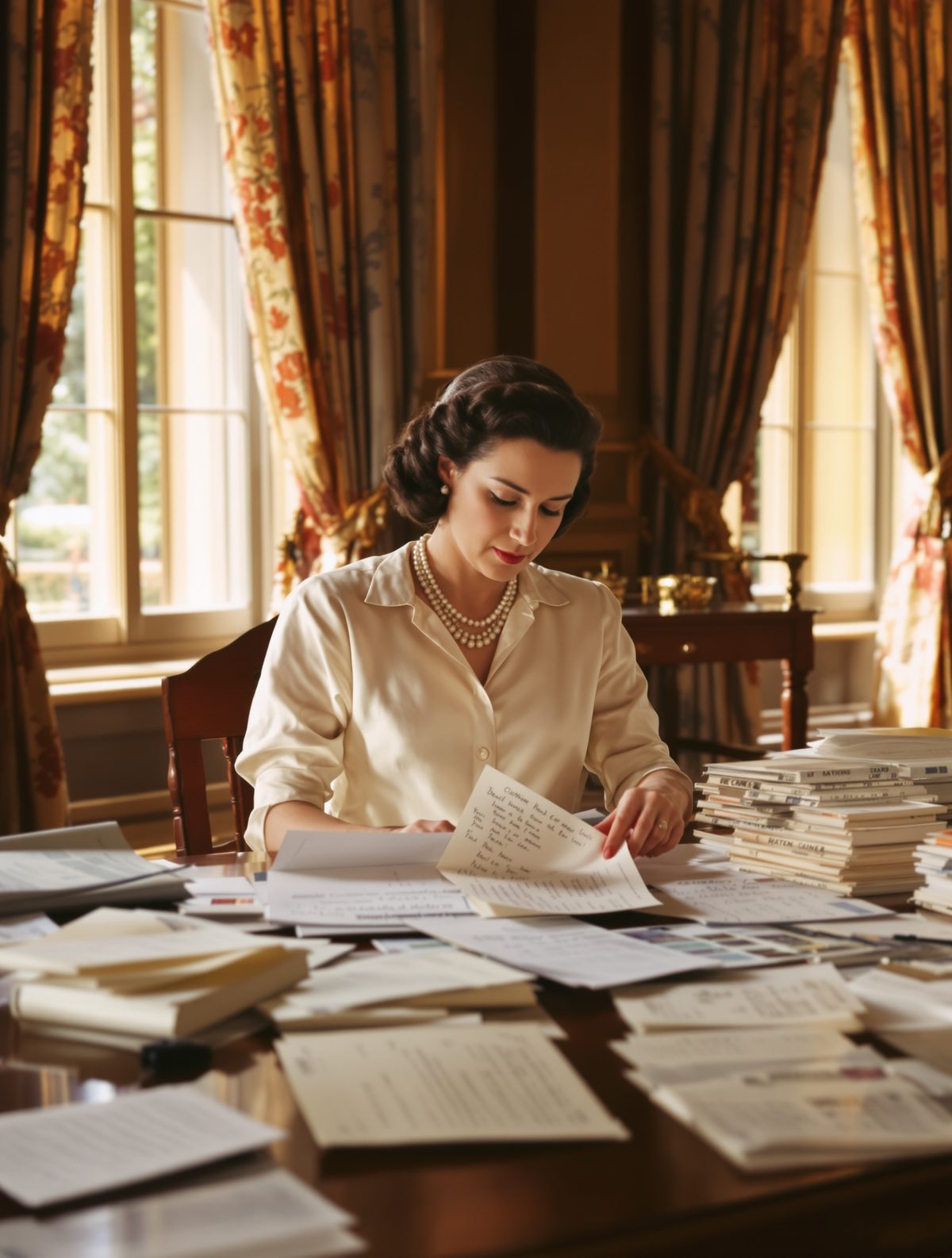
Picture this: it's 1947, and even a future Queen of England couldn't simply waltz into a shop and buy her dream wedding dress. In the austere world of post-war Britain, where clothing rationing still gripped the nation with iron determination, Princess Elizabeth faced the same fabric restrictions as every other bride-to-be in the realm. What happened next would become one of the most touching displays of devotion between a future monarch and her people — a story that perfectly captures both the hardships of the era and the extraordinary bond between the Royal Family and the British public.
A Nation Still in the Grip of Rationing
When Princess Elizabeth announced her engagement to Lieutenant Philip Mountbatten in July 1947, Britain was still very much a country recovering from the ravages of World War II. Clothing rationing, introduced in 1941, remained firmly in place, dictating how much fabric each person could purchase annually through a system of precious coupons. Every item of clothing required these coveted tickets — from a simple blouse requiring five coupons to a winter coat demanding eighteen.
The rationing system was no respecter of titles or tiaras. Even royalty had to navigate the same bureaucratic maze as their subjects, making Princess Elizabeth's upcoming November wedding a logistical challenge that would test the Palace's ingenuity. The future Queen needed 200 clothing coupons for her wedding dress — a substantial sum when the average person's annual allowance was just 48 coupons.
Norman Hartnell, the celebrated royal couturier chosen to design the gown, faced the unprecedented challenge of creating a dress worthy of a future Queen while working within the strict confines of wartime restrictions. The ivory silk satin required for the magnificent creation would need to come from somewhere, and every yard demanded its payment in precious rationing coupons.
An Outpouring of Love from Ordinary Women
News of the Princess's engagement sparked something remarkable across the British Isles. Thousands of women began posting their own precious clothing coupons to Buckingham Palace, determined that their future Queen should have the most beautiful wedding dress possible. These weren't wealthy socialites or titled ladies — they were ordinary mothers, wives, and daughters who understood the significance of a wedding dress and wanted to contribute to this moment of national celebration.
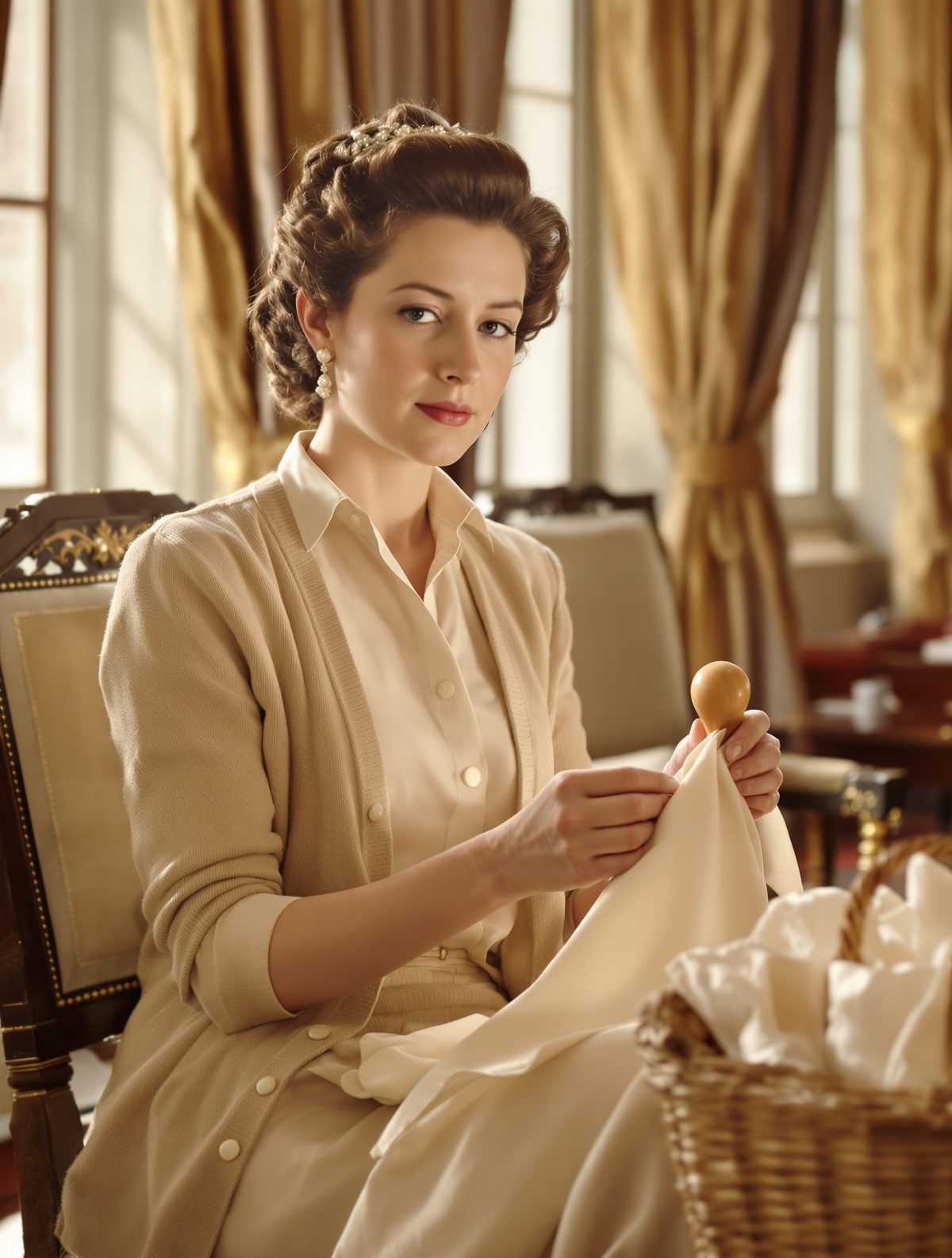
The scale of this gesture was truly extraordinary. Brides-to-be sent their carefully hoarded coupons, essentially sacrificing their own wedding dress dreams for their Princess. Factory workers mailed in their allowances, elderly women posted coupons they'd been saving for special occasions, and young girls sent portions of their modest allocations. Each envelope that arrived at the Palace represented a personal sacrifice and a touching display of loyalty to the Crown.
The letters accompanying these coupon donations revealed the depth of affection the British people felt for their future Queen. Many writers expressed their desire to contribute to what they saw as a moment of hope and joy after the darkness of war. For a generation that had endured rationing, blackouts, and uncertainty, Princess Elizabeth's wedding represented a return to celebration and optimism.
The Palace's Impossible Dilemma
What followed presented Buckingham Palace with an extraordinary administrative and legal challenge. Under British law, it was illegal to give, receive, or transfer clothing coupons between individuals. The rationing system was designed to be absolutely watertight, with severe penalties for anyone caught circumventing the rules. Even the most well-intentioned gesture of loyalty to the Crown couldn't override the law of the land.
The Palace found itself in the remarkable position of having to return every single coupon that had been so lovingly sent. Teams of staff worked tirelessly to acknowledge each donation, carefully packaging up the returned coupons with grateful letters explaining that while the gesture was deeply appreciated, the law prevented their acceptance. This massive undertaking required its own bureaucratic operation, with Palace staff working around the clock to ensure every coupon found its way back to its original owner.
The irony wasn't lost on royal watchers of the time: the future Head of State was bound by the same rationing laws as her humblest subjects. This adherence to the rules, even when it would have been easy to make exceptions, demonstrated the Royal Family's commitment to sharing in the nation's collective sacrifice during these challenging times.
Creating Magic Within the Rules
Undeterred by the restrictions, Norman Hartnell and the Palace pressed ahead with creating what would become one of the most iconic wedding dresses in royal history. The Government ultimately provided the necessary coupons for the dress, recognizing the importance of the occasion for national morale. Additional allowances were granted for the Princess's trousseau, ensuring she would be appropriately dressed for her new role as the wife of a future monarch.
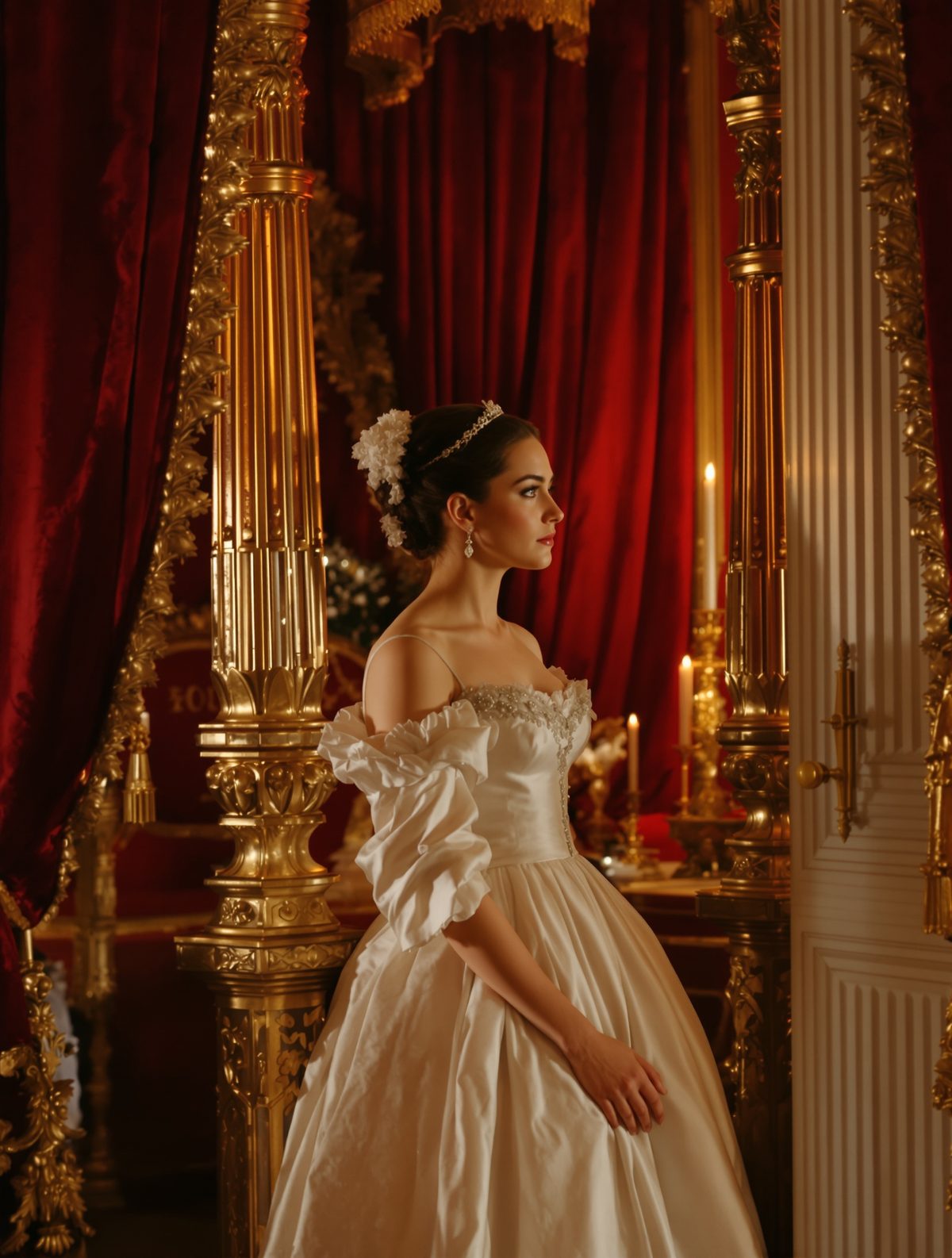
The resulting gown was nothing short of spectacular. Crafted from ivory silk satin and adorned with 10,000 seed pearls and crystals, the dress featured intricate embroidery depicting roses, wheat sheaves, and orange blossoms — symbols of love, fertility, and new beginnings. The 15-foot train was embroidered with star lilies and orange blossom using silver thread, creating a masterpiece that proved British craftsmanship could create beauty even under the most challenging circumstances.
Hartnell's design drew inspiration from Botticelli's "Primavera," transforming rationing-era restrictions into an opportunity for artistic brilliance. The dress required months of work by skilled seamstresses, each stitch representing not just craftsmanship but the nation's determination to celebrate this joyous occasion despite ongoing hardships.
A Legacy of Connection and Shared Sacrifice
The story of Princess Elizabeth's wedding dress coupons reveals something profound about the relationship between the British monarchy and its people. In an era when many European monarchies had fallen or lost their connection to ordinary citizens, the British Royal Family's adherence to wartime restrictions demonstrated their commitment to shared sacrifice. The thousands of women who sent their coupons weren't just supporting their future Queen — they were participating in a moment that would define the post-war relationship between Crown and country.
This remarkable episode also highlights the character of the woman who would become Queen Elizabeth II. Even as a young bride, she understood that her position came with responsibilities as well as privileges. Her willingness to work within the system that governed all her subjects' lives would become a hallmark of her approach to monarchy — duty, service, and leading by example would define her seven-decade reign.
The wedding dress itself, preserved in royal history, serves as a tangible reminder of a time when fabric was precious, community spirit flourished, and a young Princess captured the hearts of a nation ready to embrace hope after years of darkness. Those returned coupons, sent back with grateful acknowledgment, carried with them a message that would resonate throughout Elizabeth's reign: that the Crown's greatest strength lay not in standing apart from the people, but in standing alongside them, bound by the same rules and united in the same dreams for a brighter future.