In the spring of 1987, a single act of compassion reverberated across the world, shifting perceptions, challenging prejudices, and altering the course of medical history. The setting was a London AIDS ward, a place overshadowed by fear and stigma. Society had turned its back on those suffering from the disease, enveloped by the myths of a pandemic that few understood. Yet, on this day, the world watched an extraordinary gesture, one that spoke louder than any speech or decree. Princess Diana, a figure beloved by millions, strode into the ward alone. No entourage. No protective gloves. With the grace and empathy that became her hallmark, she shook hands with twelve patients living with AIDS, offering them dignity with her touch and humanity with her smile. This was no ordinary handshake; it was a defiant act of courage that shook the foundations of global prejudice.
The Courage to Care
During the late 1980s, AIDS, or Acquired Immunodeficiency Syndrome, was synonymous with fear. Emerging as one of the most significant health crises of the 20th century, the disease affected thousands, but misinformation and fear-mongering shrouded it in myths. The misconception that HIV, the virus that causes AIDS, could be spread by simple touch, created a chasm between those afflicted and the rest of society. Marginalized and scorned, AIDS patients were often left to face their harsh realities in isolation.
It was amidst this fervor of misunderstanding that Princess Diana, then a young and vibrant member of the British royal family, decided to take a stand. Her decision to visit a London AIDS ward without fanfare or protective gear was nothing short of revolutionary. The royal protocol, steeped in tradition, would typically advocate distance, but Diana was never one to shy away from bending the rules for a greater cause. Known for her philanthropic heart and unwavering dedication to humanitarian issues, her simple gesture of removing her gloves shattered misconceptions, displaying a deep-seated resolve to show the world that AIDS patients deserved compassion and respect.
A Princess Among People
Princess Diana’s visit to the AIDS ward didn't happen in isolation. It was emblematic of her broader mission to bridge the gap between the monarchy and the common people. From the moment she became a member of the British royal family, Diana was not content to merely fulfill ceremonial duties. She sought to bring attention to causes that were dear to her heart, and her understanding of using her position to spark change was profound.
The princess's empathy was palpable; she was often seen engaging intimately with those she aimed to help, whether at hospitals, with the homeless, or in communities suffering from poverty. Her interaction with AIDS patients tore down barriers and made headlines worldwide. The world watched as Diana, with her iconic elegance blended with an unmistakable warmth, walked determinedly into a reality shunned by many. Her actions illustrated that she was, first and foremost, a champion for the people, using her unique position to challenge the status quo and bring about social change.
The Impact of Her Compassion
The consequences of Princess Diana's pivotal visit were nothing short of transformational. Not only did her actions help to dismantle the myths surrounding the transmission of HIV/AIDS, but they also cast a spotlight on the need for greater empathy and understanding toward the marginalized sufferers of the disease. Her ungloved handshake symbolized a belief in truth and compassion over ignorance and fear.
Photographs from the day showed Diana smiling warmly as she shook hands with patients, images that circulated the globe, sending a powerful message: that AIDS sufferers were not pariahs to be feared, but individuals worthy of respect and human connection. This crucial moment played a significant role in changing public perception and was instrumental in advancing the conversation about how the world approached AIDS and those it afflicted.
The princess's actions inspired others in positions of power and the general public alike to reconsider their attitudes. Slowly but steadily, a shift commenced, leading to increased awareness, education, and funding for AIDS research. Her legacy in the fight against AIDS is palpable even today, as her sons support these global causes, proving that Diana’s compassionate spirit endures.
A Legacy Beyond Borders
Today, Princess Diana's legacy as the 'People’s Princess' continues to resonate deeply. Her groundbreaking handshake is more than a historical anecdote; it stands as a testament to the ability of the human spirit to overcome prejudice with courage and love. Her actions remind us that empathy has the power to transform society, challenging us to act with both our hearts and our hands.
The British monarchy, with its rich tapestry of history and influence, has often been a vessel of tradition and resilience. Yet, it is moments like Diana's visit to the AIDS ward that highlight its capacity for progressive change and impactful legacy. As the world grapples with new challenges and barriers today, from healthcare access disparities to global pandemics, the courage shown by Diana in 1987 serves as an evergreen reminder that small human acts can wield powerful societal impacts.
In stepping beyond the confines of her royal role, Princess Diana inspired a profound change that reverberates beyond the travails of history. Her unguarded handshakes symbolized a belief in the fundamental dignity of every person, and indeed, taught us that sometimes, the most revolutionary act is a simple gesture of humanity.
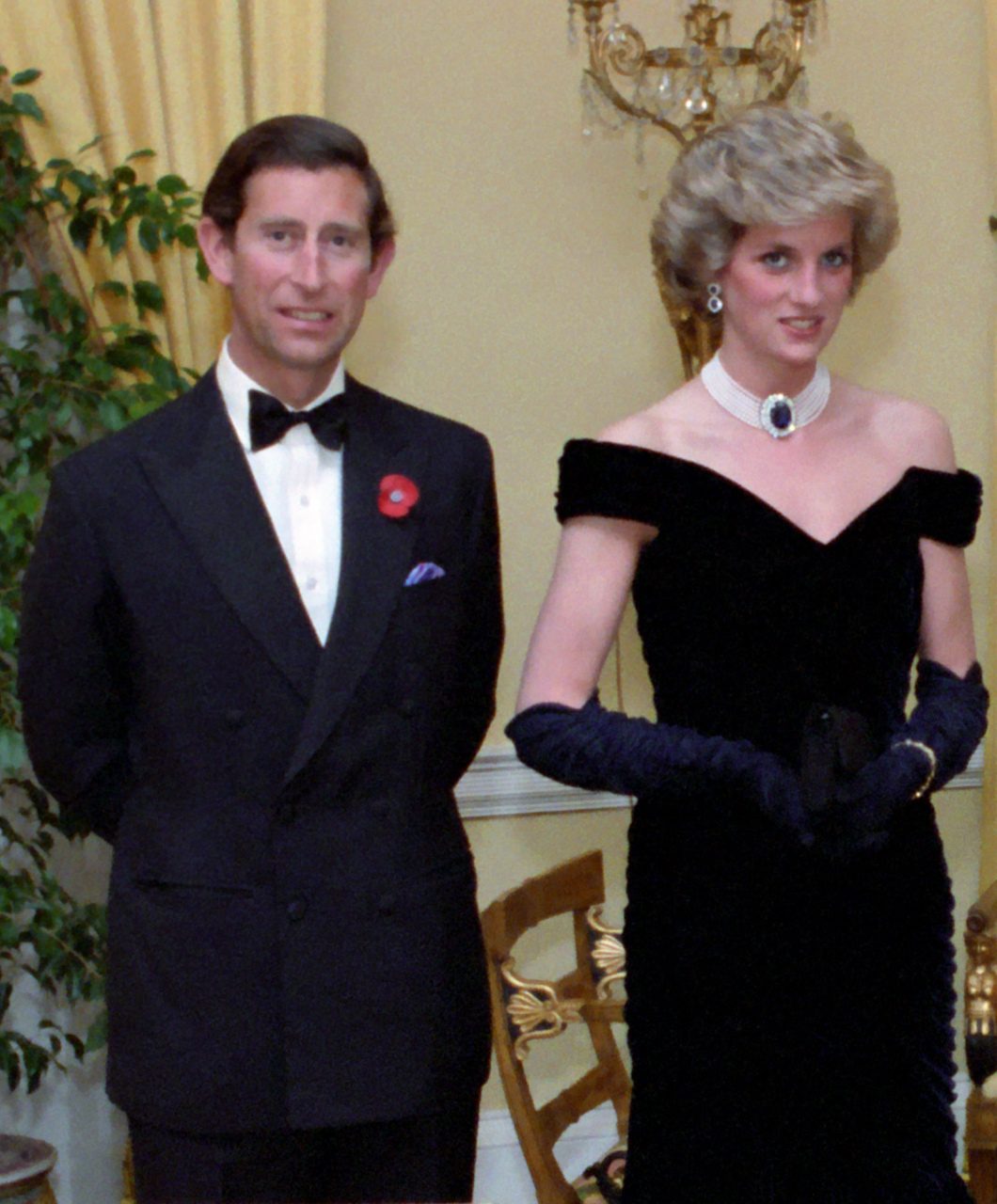
📷 Photo: John Mathew Smith & www.celebrity-photos.com from Laurel Maryland, USA. CC BY-SA 2.0 via Wikimedia Commons.