Most royal correspondence is drafted by staff and signed by hand. Diana did something entirely different. When letters arrived from people in genuine distress, she sat down at her own typewriter and responded personally — thoughtful, warm, and entirely unscripted. The letters still exist. Their recipients never forgot them.
A Princess with a Personal Touch
Amidst the grandeur of royal life, Princess Diana radiated a warmth that transcended typical royal protocol. Surrounded by staff who expertly handled the formalities of royal correspondence, Diana preferred a more personal approach when people wrote to her with personal stories of heartache and despair. In an era before digital communication, she reached out using a device rarer in palace corridors — the humble typewriter. Sitting down at her own desk, rather than through a secretary, she would craft responses with a sincerity and compassion that spoke directly to the heart of her correspondents.
The letters that Diana typed herself were her way of bridging the gap between royalty and the everyday individual. Without the formal distance usually expected in royal affairs, she extended her compassion to those who might otherwise have felt invisible, offering a warm and human touch that kept her firmly in the hearts of the public.
The Intriguing World of Royal Correspondence
For centuries, the British monarchy has been synonymous with protocol and tradition, where every gesture and communication is meticulously managed. The Royal Household employs an army of skilled press secretaries and private secretaries whose job is to maintain the decorum and dignity expected from the crown. Standard practice dictates that letters received by the royal family are answered by staff, often using carefully crafted templates and formulaic replies.
This is why Princess Diana's approach was so unconventional. Her decision to operate not just independently but personally, without fanfare, speaks to her enduring legacy as "The People's Princess." Rejecting the safety net of pre-approved messages, Diana's typewritten responses were refreshingly candid and devoid of the often sterile formality prevalent in royal communication. Her willingness to show vulnerability and empathy gave those letters a resonance that is remembered to this day.
The Letters that Lifted Spirits
Scattered across the world, these letters remain cherished keepsakes for those fortunate enough to have received one. For some recipients, the arrival of such a note was nothing short of miraculous. Here was a response from a woman adored around the globe, taking the time to acknowledge a stranger's troubles with understanding and encouragement.
The stories shared with Diana were varied — people wrote of illness, family tragedies, and personal struggles. She responded with heartfelt words, often sharing her own thoughts and feelings, creating an intimate exchange that bridged the vast distance between royal life and the common citizen. These letters were not meant for public consumption, which makes their existence all the more poignant. Carefully preserved over decades, some recipients kept them secretly, aware of their deeply personal nature and perhaps hesitant to expose something so precious to external scrutiny.
Whether by fate or fortune, the recipients of Diana’s letters found a friend in her words — a confidante who understood their pain and offered goodwill. Through her gestures, Diana's legacy of empathy expanded beyond her visible acts of charity and public service to an invisible web of connections, built letter by letter.
A Lasting Connection to the People
Diana Spencer’s impact on the British monarchy continues to be profound, with her lifetime of kindness and relatability serving as a benchmark for the royal family today. Her passion for charitable causes, as well as her effortless ability to connect deeply on a human level, reshaped the public's expectations of royal duties. These typewriter letters remain a testament to her genuine compassion and willingness to shape her role around her own values rather than strictly adhering to royal traditions.
While the letters are a private testament to Diana’s legacy, their existence also speaks to the transformative power of sincerity and gentleness. They serve as a reminder that even the smallest acts of empathy can ripple outwards, affecting not only the immediate recipient but also influencing those who hear of it years later.
Bridging the Past and Present
Princess Diana's typewriter correspondence to strangers in distress not only highlights her unique approach to her royal role but also continues to inspire how we perceive the monarchy and humanitarian efforts. In today's fast-paced world, the simple act of pausing to offer a handwritten or typewritten note of encouragement feels especially significant. Her letters urge us to remember the power of personal touch, reminding us of the profound impact thoughtful communication can have even in an age dominated by digital interaction.
Although Diana's life was tragically cut short, the heartfelt echoes of her typed words carry forward. They form a bridge connecting not only the distance between the palace and the public but also the legacy of heartfelt compassion that lies at the core of truly impactful leadership. It acts as a gentle nudge for all of us to consider how we can harness simple acts of kindness to make a meaningful difference in the lives of others. Her legacy thus lives on — not just in grand gestures, but in small, deeply personal acts that continue to reverberate through the fabric of time.
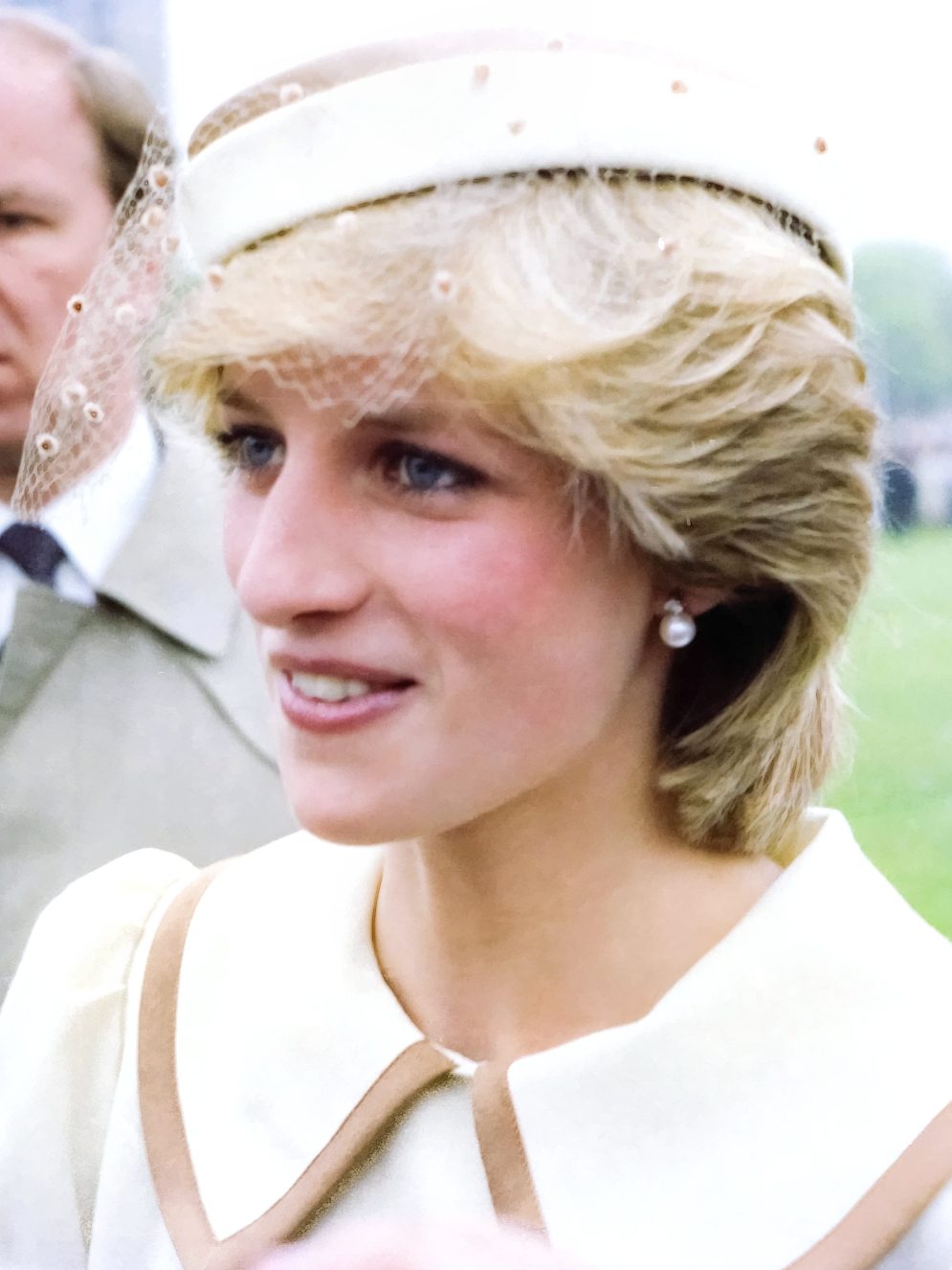
📷 Photo: Russ2009. CC BY-SA 2.0 via Wikimedia Commons.