She sat on the throne of Britain with an empire at her feet and an unbearable emptiness in her heart. Queen Anne buried every single one of her seventeen children. What she did next — the decisions she made, the laws she signed, the country she quietly built — is one of the most quietly devastating stories in royal history. As we explore the life of Queen Anne, we uncover the profound strength of character required not just to endure personal tragedy but to leverage it into a lasting legacy that would forever alter the course of British history.
The Unyielding Grief of the Crown
Between 1684 and 1700, Queen Anne, known for her steadfastness and resilience, endured 17 pregnancies. With each pregnancy came hope, and with each loss, profound sorrow. Of these, many resulted in miscarriages, stillbirths, or the death of infants shortly after birth. Her closest approach to motherhood that the world would ever see was Prince William, Duke of Gloucester, who survived infancy but tragically died at the tender age of eleven. In the glittering halls of palatial splendor, echoes of Queen Anne’s lonely grief remain almost tangible, a poignant counterpoint to the splendor.
Despite her personal heartache, Anne never publicly displayed her suffering. The stoicism she exhibited was not merely an expectation of her royal station but also a personal mantra. Her ability to silently carry such a heavy burden while undertaking the rigorous demands of monarchy speaks to a character forged in deep resilience and dignity.
A Queen Alone: Ruling Through Loss
Ascending the throne in 1702, Anne inherited a nation divided by politics and religion. The absence of a direct heir cast concerns over succession that loomed large over her reign. Yet, Anne's leadership during these tumultuous times highlighted her capability in informing decisive governance. Her most notable achievement, the Act of Union 1707, brought England and Scotland together to form the Kingdom of Great Britain, a diplomatic triumph casting long shadows into the future.
Amidst policy and political maneuvering, Anne’s personal relationships suffered. Once close friends with Sarah Churchill, Duchess of Marlborough, Anne eventually saw the friendship dissolve beneath the pressures of Sarah's ambitions and their political differences. Anne's reign was one of managing friendships entwined with political intrigue — personal ties often felt more brittle when layered with the politics of state.
The Royal Court and the Power Structures
The court of Queen Anne was a reflection of her personal challenges and political prowess. Characterized by factionalism, the Whigs and Tories were ever at odds, each side vying for greater influence over the sovereign and the nation. Anne navigated the often-treacherous political waters with care, balancing these factions with her deft sense of diplomacy and fair-mindedness.
Her reign was marked by significant events like the War of Spanish Succession, a conflict that altered European power structures and tested the limits of nascent British imperial might. At Anne's command, commanders like the Duke of Marlborough extended British influence across the continent, placing royalty firmly at the center of growing global significance.
A Legacy Built From Loss
Queen Anne’s reign proved pivotal in shaping the Britain we recognize today. Her establishment of a unified Britain laid the groundwork for what was to become a global empire. The trials of her personal life seemed to fuel her resolve, guiding her decisions toward unity and continuity.
The Hanoverian succession after her death, dictated by the Act of Settlement 1701, exemplified her foresightedness. Although leaving no heirs, her decisions secured a Protestant line of succession and a stable British monarchy during a period of intense religious and political upheaval. The very dynasty established by her posthumous actions has shaped centuries of British leadership, culture, and global standing.
Reflections on Modern Leadership
In light of Queen Anne’s heart-wrenching personal narrative, one notes the enduring qualities that define monarchs who serve beyond personal tribulations. Her life compels us to reflect on leadership amidst adversity and the hidden strength beneath regal composure. Her response to her profound losses underscores a heartfelt dedication to public service, a trait still resonant with contemporary royals who strive to maintain a delicate equilibrium between personal and public lives.
Even today, synonymous with grace and duty, Queen Anne's tenure reminds us of the power inherent in stoic resilience — how a sovereign's quietly enduring spirit, like Anne's, can quietly change a nation, making an indelible imprint on history.
“Queen Anne lived through heartbreak and made history,” a tale bound not by triumph over others, but by triumph over unparalleled personal tribulation and the creation of a legacy that heralded unity and strength.
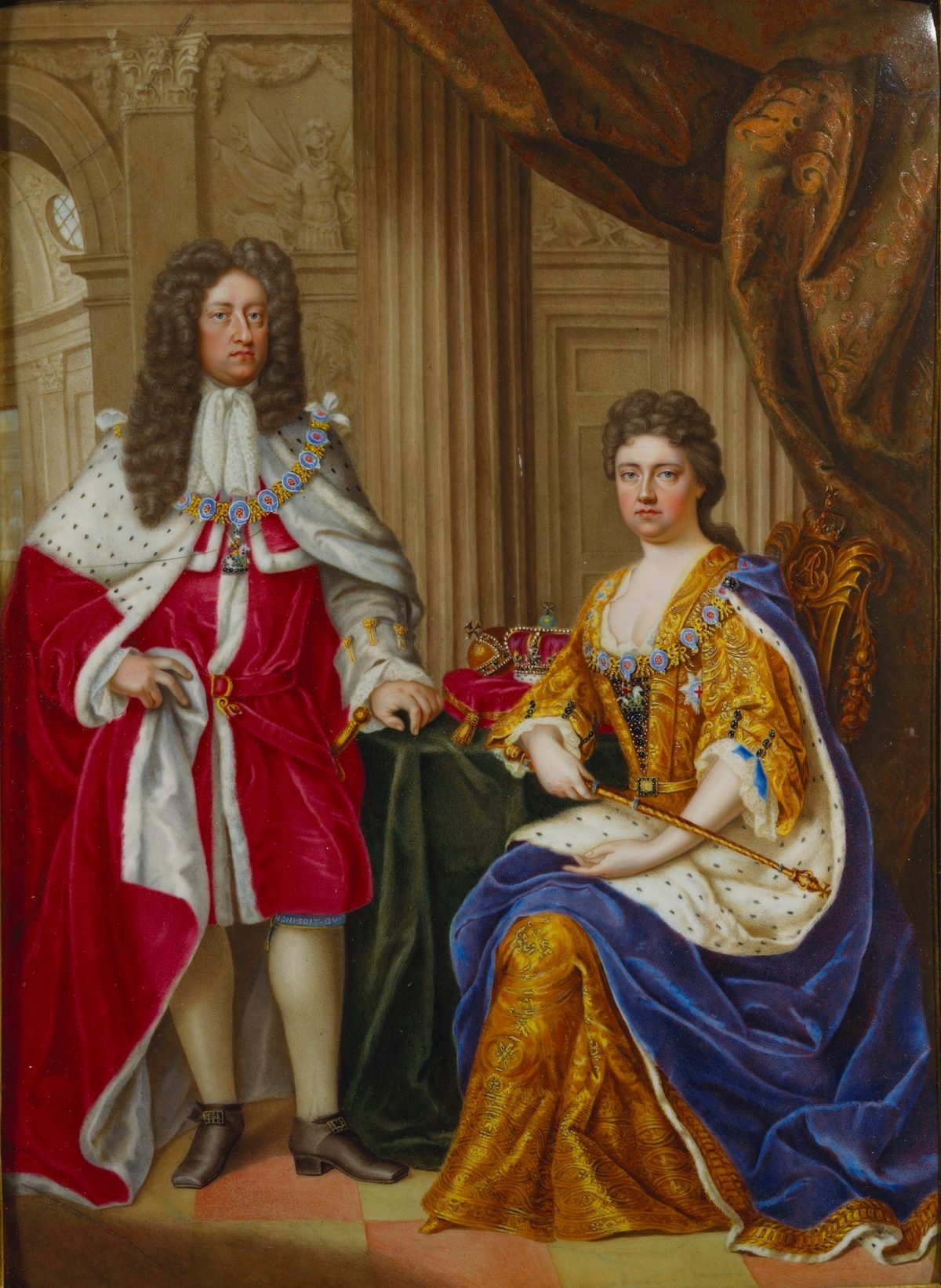
📷 Photo: Charles Boit. Public domain via Wikimedia Commons.