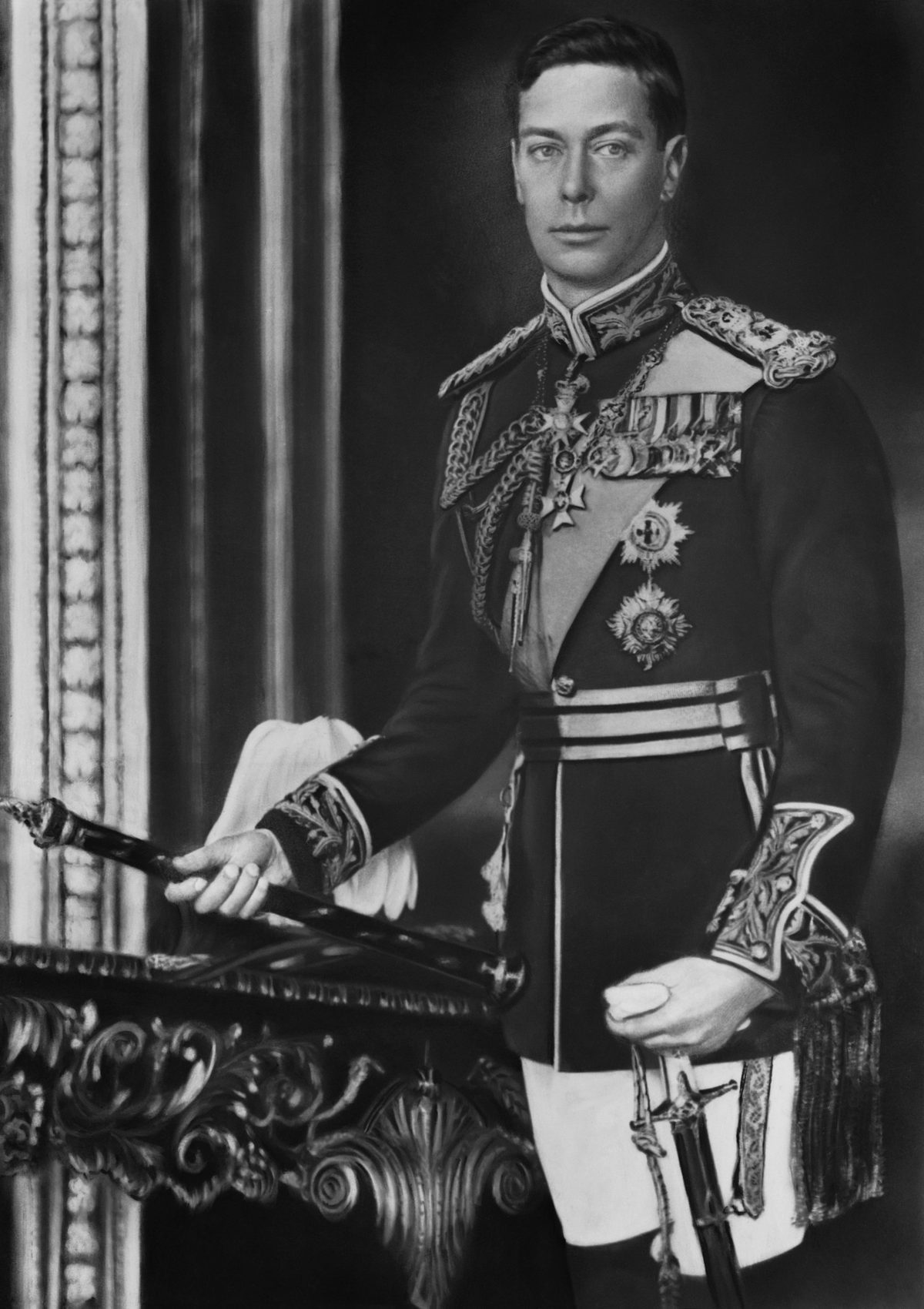
On the cusp of England’s darkest hour, a king beset by his own shadows stepped into history. It was the evening of September 3rd, 1939, and Britain had declared war on Germany. King George VI, a man whose courage had already faced the crucible of personal challenges, stepped to the microphone. There, in the silent expanse of Buckingham Palace, his hands trembled and his voice carried the weight of a nation's hopes and fears. Unscripted rehearsals could prepare him for this — a moment when the vulnerability and valor of the monarchy were laid bare, moving a nation of millions to their core.
From Prince to Monarch: The Reluctant Sovereign
Born Albert Frederick Arthur George Windsor in 1895, King George VI was never destined for the throne. He was the second son of King George V and Queen Mary, known affectionately within the family circle as "Bertie." His older brother, Edward, was the presumptive heir, allowing Bertie a degree of anonymity away from the ceremonial and constitutional rigors awaiting the future king. However, destiny had other plans.
As a prince, Bertie's formative years were not easy. He struggled with a pronounced stammer, a condition that left him painfully reserved and lacking in self-confidence. But his royal upbringing instilled within him a sense of duty that would later define his kingship. He served with distinction in the Royal Navy during World War I, underlining his commitment to duty despite his personal struggles.
Nevertheless, it was the abdication crisis of 1936 that thrust him into an unfamiliar destiny. Edward VIII's choice to abdicate the throne to marry Wallis Simpson thrust the unprepared Bertie into the spotlight. As King George VI, his reign began amid whispers of uncertainty, but soon he would silence the skeptics, becoming the steadfast figure of the monarchy during tumultuous times.
The Weight of History: A Nation at War
The summer of 1939 was tense and foreboding as Europe teetered on the brink of war. When Britain declared war on Germany, the nation found itself once again called to summon the spirit that had seen it through the Great War. At the heart of this mobilization effort was a deeply empathetic King whose personal battle with speech resonated deeply with the British public.
His speech on September 3rd was more than an address; it was a testament to resilience and courage, values that Britain desperately needed. It demanded not only royal dignity but also the raw authenticity of a man who understood struggle. In the great hall where kings and queens had spoken for centuries, George VI stood, not as an infallible monarch, but as one with human frailties akin to those he governed. It was this humanity that would cement his place in the hearts of his people.
A Voice Finds Its Power
The broadcast was transmitted across the Atlantic to millions of ears eagerly listening for guidance and reassurance. Standing with shaking hands, King George VI’s voice, fragile yet charged with gravitas, filled the airwaves. As he spoke of the "grave hour" facing the world, he did so with a sincerity that stemmed not from royal duty alone, but from personal understanding of great adversity.
"I ask you to stand calm and firm and united in this time of trial," he implored. It was a call not of command, but of unity — a shared journey between the king and his people.
This address, though simple and understated, carried historical significance. It reinforced the idea of monarchy as not only a symbolic institution but as a human one, capable of sharing in the collective burdens and triumphs of its subjects. His speech allowed the nation to hear his determination and feel his resolve — an unspoken vow that their sacrifices would not be in vain.
The Nation Weeps: A King's Courageous Heart
The emotional weight of the King's speech was palpable. In homes scattered across the nation, families huddled around their radios; each listener felt a shared resonance with his humble pleas. The collective tears that fell were as much for the uncertainty of the future as they were for the display of vulnerability seen in their sovereign.
George VI’s wartime reign became a beacon of inspiration, not just for his transparent courage, but for the royal family's active involvement in the war effort. Queen Elizabeth (The Queen Mother) and their daughters, Elizabeth and Margaret, actively participated in morale-boosting activities, bridging the gap between monarchy and populace by sharing in their trials while refusing to evacuate from London during its darkest bombing days.
A Timeless Legacy
Today, more than eight decades later, George VI’s address stands not just as a historical broadcast by a reluctant king but as a testament to the enduring spirit of the British monarchy. The broadcast evolved into legendary folklore—a moment when a king's shaking hands helped steady the hearts of his people. His speech remains a reminder of how the monarchy, for all its traditions and ceremonials, is founded on the basic tenets of human empathy, strength in adversity, and the resilience to face an uncertain future with unwavering courage.
The memory of this speech continues to hold relevance. It inspires current and future generations to hold onto the values of solidarity and perseverance in the face of adversity. It also shines a light on the monarchy's role as a stabilizing force, cementing the notion that even in the vast halls of palaces, there exists a shared journey with the people. King George VI’s trembling hands may have stilled with time, but the echoes of his resolve remain a powerful testament to the monarchy’s timeless legacy.
📷 Photo: Matson Photo Service. Public domain via Wikimedia Commons.