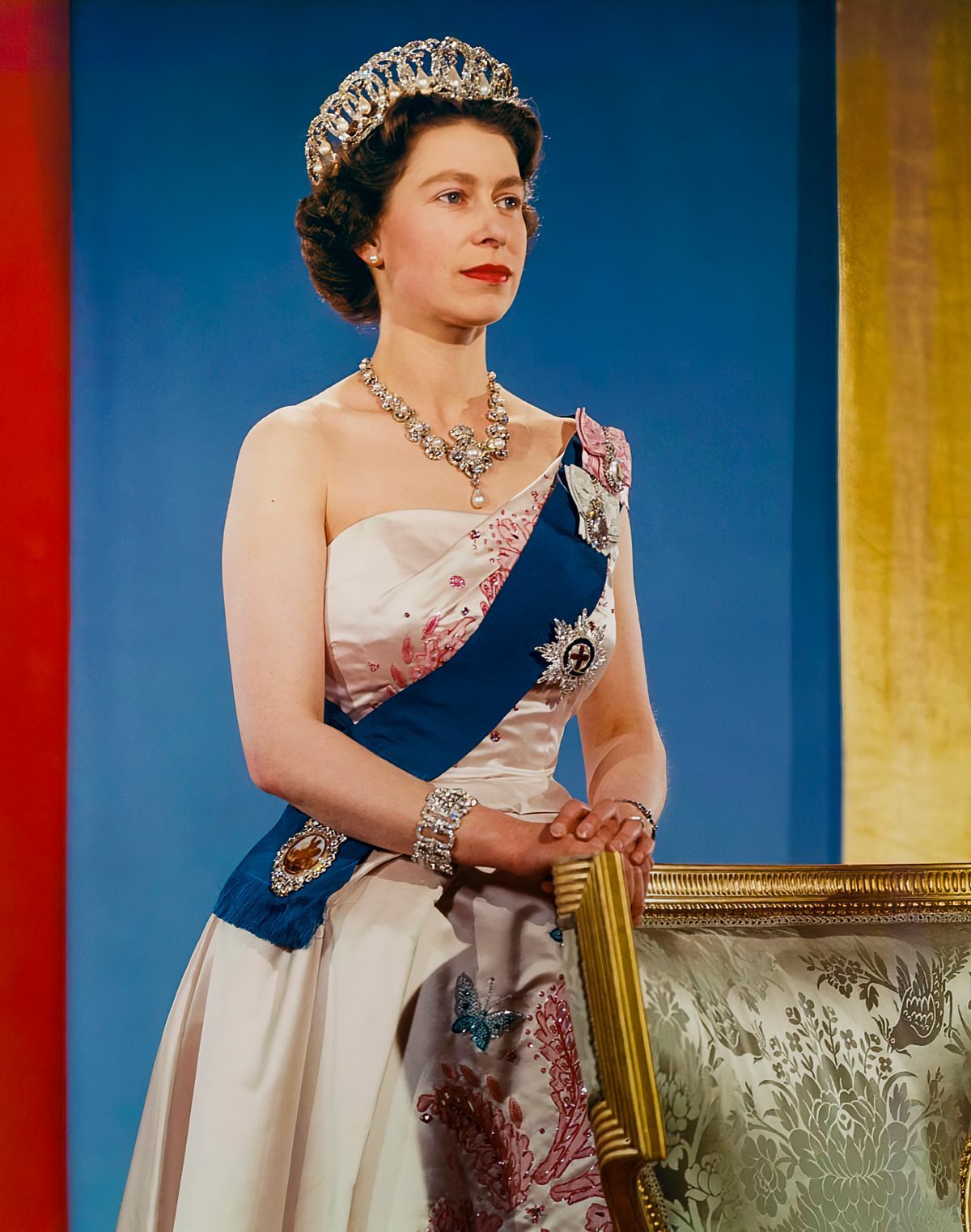
Amidst the chill of a February morning in 1952, a new chapter of the British monarchy began with an extraordinary act of love that resonated with the intimacy and the gravity of the occasion. The young Queen Elizabeth II had just ascended to the throne following the unexpected death of her cherished father, King George VI. Before the echoes of public ceremony could commence, she requested to spend a private moment with him—a request that was profoundly simple yet deeply human: to sit in silence beside her father’s coffin at Sandringham, in the place that was both a family home and a symbol of royal continuity. Here, a daughter emerged in the flesh and spirit of a Queen, alone yet accompanied by the memories of a lifetime.
A Daughter and a New Sovereign
King George VI's passing on February 6, 1952, was not just a national loss but a personal tragedy for Elizabeth. At the tender age of 25, she found herself suddenly ascending the throne, her private grief tightly interwoven with her public duty. Just hours after learning of her father’s death, Elizabeth was thrust into a spotlight that allowed for little time to mourn. Amidst the whirlwind of royal protocol that followed, one poignant moment stands out—a time when she put aside the weight of her new role to honor the legacy of her beloved father.
It was at Sandringham, a favored royal retreat where the King had spent his final days, that Elizabeth asked to be left alone. As arrangements began to transport King George's body to London for his official lying-in-state, Elizabeth's request was a deeply human one. Stepping away from the demands of royalty, she sat with the coffin, honoring her father in a way that transcended her own regal responsibilities. This private vigil offered a rare glimpse into Elizabeth's character—an illustration of the bond that exists between a parent and child, even in the most extraordinary of circumstances.
Sandringham: A Royal Sanctuary
The setting of Sandringham House holds a particularly special place in the hearts of the British royal family. Purchased by Queen Victoria in 1862, the Norfolk estate is steeped in royal tradition and personal history. It was here that King George VI found solace, especially in his final months amidst failing health. The coastal home was not just a backdrop for royal engagements but a sanctuary for intimate family moments away from the public eye.
It is perhaps fitting that Elizabeth chose Sandringham as the backdrop for her farewell to her father. In the quiet of its grounds, the young Queen could find a moment of reprieve, wherein the familiar setting of childhood memories, she could remember her father not simply as a monarch but as the loving parent who had guided her. “This,” she might have thought, “is where I will hold onto who he was to me.”
The Silences of Sovereigns
The royal family has long understood the power of silence, a soft armor often used to disengage from prying eyes or lend an air of mystery. In these moments of quiet, much like the Queen's vigil beside her father, history has been shaped in solitude and contemplation. For Elizabeth, this silent vigil echoed the serenity of their walks at Sandringham—the times they shared in the rose garden or in the great library, discussing matters of the heart and the weight of crowns together. The balance of duty and familial affection had always been gently maintained, and this moment of reflection was no different.
Elizabeth’s need for private reflection in the quiet surrounds of Sandringham speaks to a profound aspect of her character; a woman who, though destiny had cast into a position of immense visibility, understood the depth of introspection. It would be a quality that served her throughout her long reign, one filled with challenges and milestones alike.
From Mourning to Sovereignty
That single moment beside her father's coffin was not just an act of personal grief but a bridge from mourning to embracing the vast duties of sovereignty. Like the hours of dawn that slowly unravel a new day, this interval allowed Elizabeth a breath between roles, between a daughter’s loss and a sovereign's emergence. The new Queen had to stride into the public eye with dignity, strength, and poise—a task she would fulfill with grace over the decades.
In assuming her role, Queen Elizabeth II stepped into the larger-than-life legacy left by her father—a King who navigated the tumult of World War II and cast a calm, reassuring shadow over a post-war nation. Her unassuming yet steadfast reign seemed to mirror the qualities her father had personified, drawing strength from the quiet values instilled by the man now resting forever.
Legacy Tied to Eternal Bonds
The night Queen Elizabeth II spent by her father’s side at Sandringham is emblematic not only of her personal loss but of the eternal bond shared between parent and child, monarch and nation. In that silent communion of grief and reflection, she acknowledged the transient nature of life itself, even for those graced with crowns. And thus, her reign began—not heralded by grand speeches but blessed in silence.
As we reflect on this poignant story today, it offers a reminder of the power of quiet dignity and the profound courage needed to carry forth a legacy. As the Queen lived out her years, beloved by many for her resilience and sense of duty, those traits can be traced back to moments like her solitary vigil—a daughter’s moment of farewell and a Queen's silent promise to honor her father’s legacy through her own life of service.
The monarchy, much like life itself, is a serene passage weaving the personal with the public. The past informs the present, and through this lens, we better understand the weight she bore from one generation to the next. It’s an extraordinary journey bound by history and heart, much like Elizabeth’s own that silent February night.
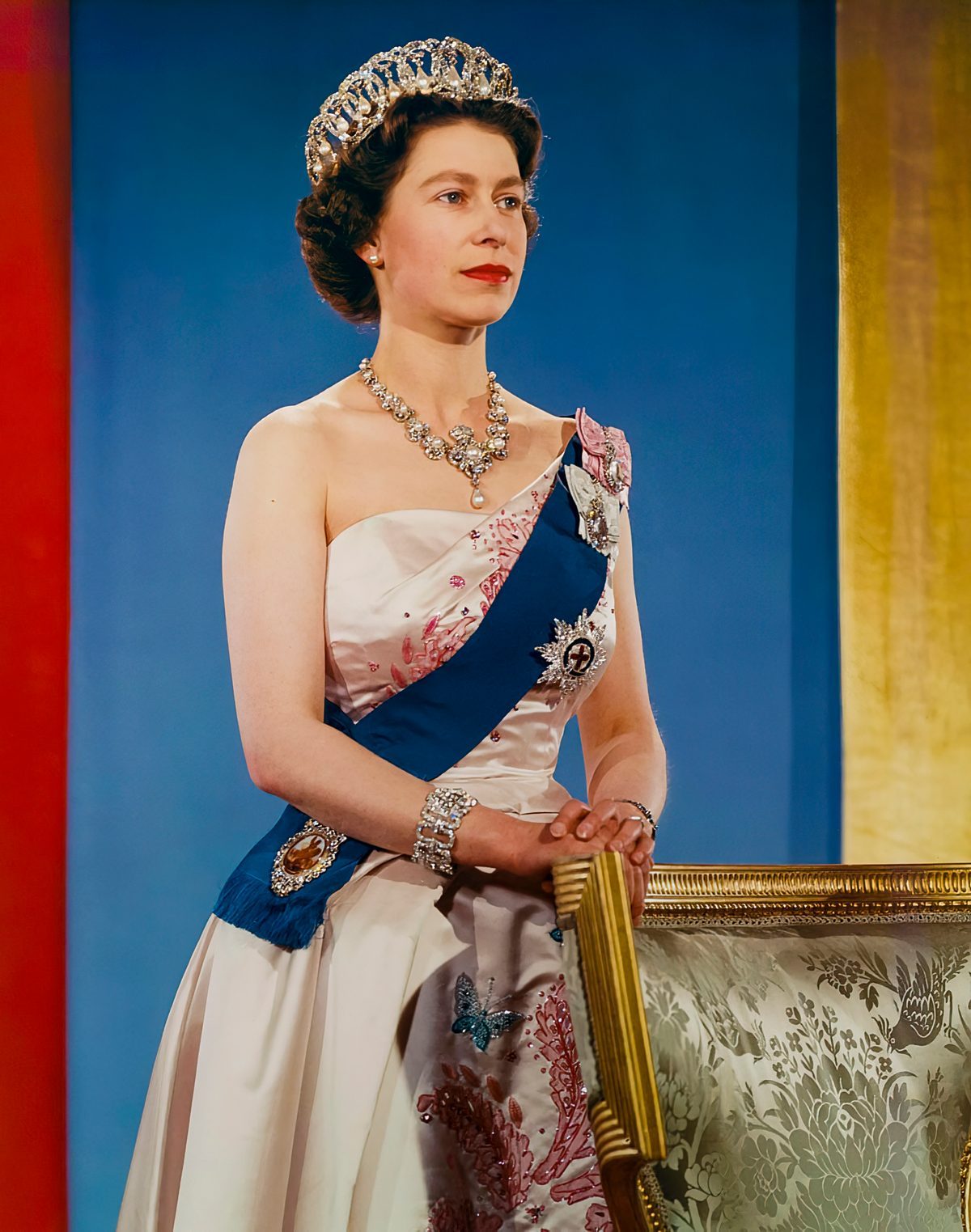
📷 Photo: Donald McKague. Public domain via Wikimedia Commons.