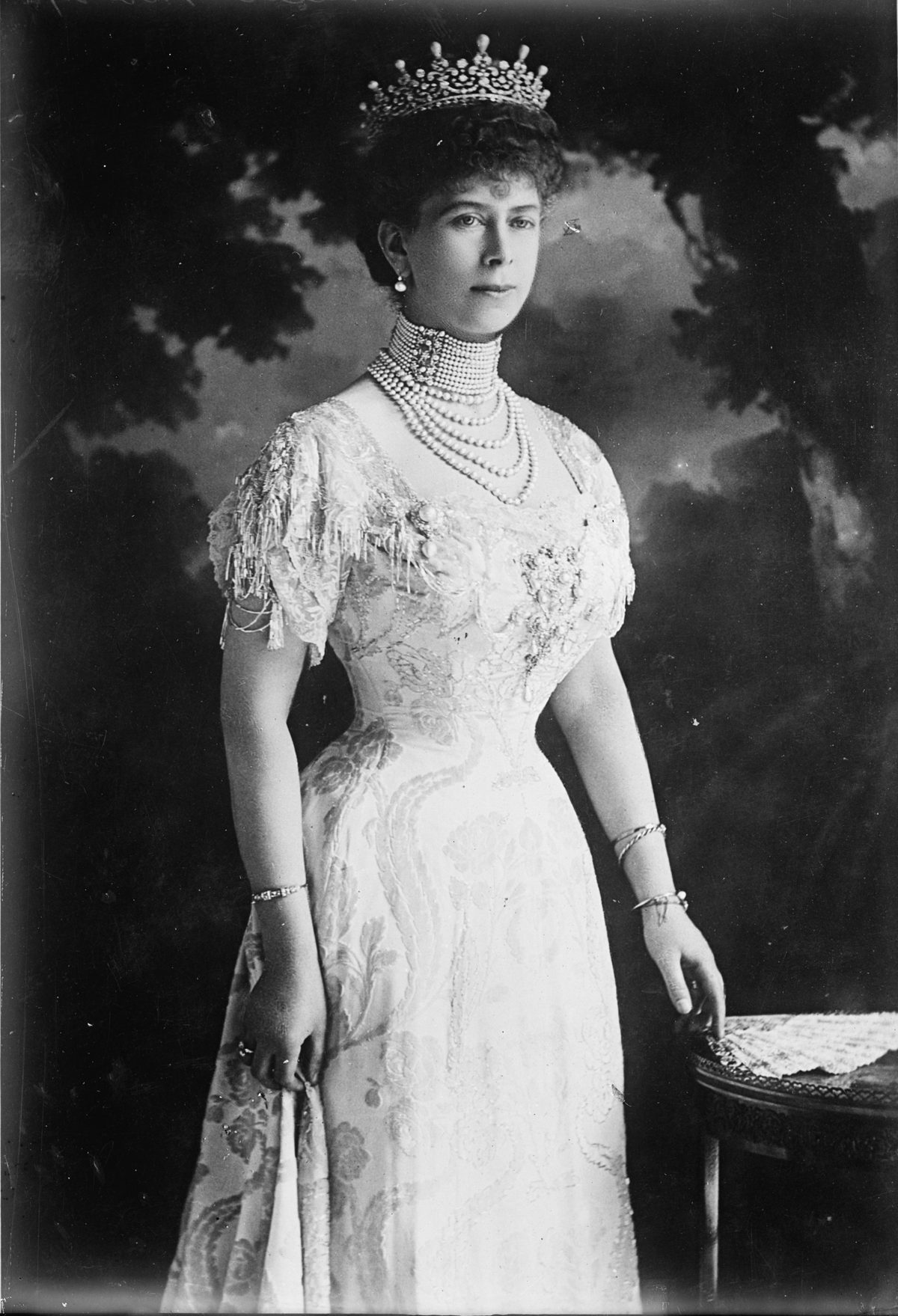
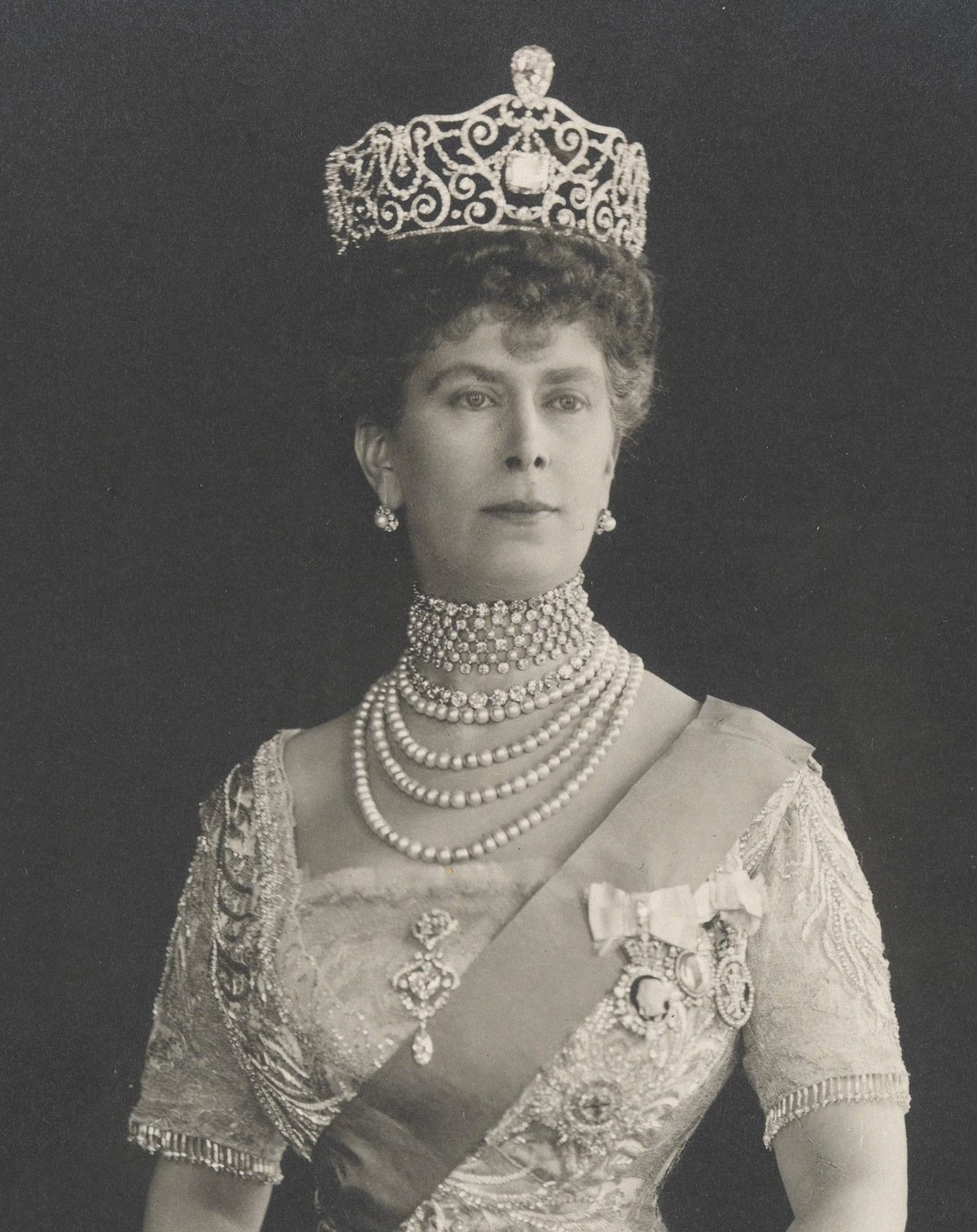
Known for her towering presence, staunch demeanor, and unswerving adherence to protocol, Queen Mary of Teck was hardly the figure one would imagine weaving through the hushed corridors of wartime hospitals. In the telling years of World War I, however, her presence became a gentle balm amid the chaos and suffering. Royal by birth and necessity, but profoundly human by action, Queen Mary stepped into a role not scripted in palatial chambers. The night she sat tirelessly, compassionately beside a dying young soldier in 1915 remains a singular, heartwarming testimony to her quiet strength and sense of duty, unshakeable in any setting, grand or humble.
The Unseen Monarch and Her Humanitarian Duty
In the shadowy halls of London hospitals—where whispers of shell shock and gas victims were harsh realities—Queen Mary found a poignant calling. As consort to King George V, her involvement in the Great War extended beyond ceremonial duties. She navigated through the hospital wards, not as a sovereign detached and revered but as a mother and representative of her people. Underneath her formal attire and steadfast gaze, she carried a resolve to offer solace and exhibit immeasurable empathy to the wounded soldiers.
Having lost dear relatives herself to the horrors of war, Queen Mary understood that each bed occupied by a soldier represented a family bearing heavy grief. In an era where British royalty was so subtly bound to public service, she adopted an often private, yet deeply human, role. Her nightly visits were not showpieces for public relations; they were genuine acts of compassion.
The Night of Compassion: A Soldier Not Forgotten
It is believed that one cold night in 1915, a young soldier lay on a hospital bed, fatally injured and all alone. Not a letter came for him, nor did any family appear beside him. In such circumstances, Queen Mary transcended traditional expectations of royal protocol, joining those few figures of royalty who mingled with their subjects’ raw moments of vulnerability. She did not hesitate to extend maternal warmth to a young life flickering out, far from home and companionship.
Pulling a chair gently beside his bed, she settled in for a long vigil. The details of this night are spare in factual recounts, perhaps because they were never meant for public acclaim. However, it was known among hospital staff—not through official accounts but whispered anecdotes—that Queen Mary had stayed by the bedside until the first light of dawn. The soldier, cradled by her presence, did not leave the world alone.
"In human hearts, hope springs eternal," they say—the very presence of a calming hand provides meaning until the last sigh extinguishes. On a battlefield of fields and hearts, Queen Mary fought alongside soldiers in spirit, ensuring none departed in despair’s solitude.
Royal Resolve: A Bridge Between Palaces and People
Queen Mary's life story was a testament to resilience and resolve, traits perhaps forged during her early years and shaped by an unwavering sense of duty. She had weathered personal losses and the tumultuous political landscape, her every action scrutinized yet imbued with a determined grace. Her commitment to serving without ostentation allowed her to connect with the war-stricken men intimately. To her, the monarchy was not simply a symbol but a living institution intertwined with people's destinies during turbulent times.
This rare glimpse into such a poignant royal interaction offers a meaningful perspective into the humanitarian underpinnings of monarchy. Queen Mary's engagements were far from the lavish imagery customarily associated with royalty. Her involvement offered solace where it was least expected but most needed, bridging the divide not just between classes but also between agony and hope.
Legacy of Quiet Strength
The understated story of Queen Mary and the wounded soldier resonates through the centuries, reminding us of the undying impact of simple human compassion. While monarchs today embody a broadened royal image, the legacy left by Queen Mary presents a blueprint in dedication and humility. Even when shrouded in ceremony, royal duty, in its truest form, echoes the ancient bond between leader and populace—the understanding that every life, however humble, is invaluable.
Today, amidst a world of instant connectivity, the essence of Queen Mary's actions offers profound truth: the depth of a leader’s compassion defines their reign as much as any policy or decree. In reflection, her vigil with the dying soldier stands as symbolic. It transcends acts of mere duty and flourishes as a quiet, enduring memorial to the human spirit formed within the royal heart—a spirit undaunted by circumstance, purely devoted to the people and their protection, one night at a time.
As we peer back into our rich royal tapestry, Queen Mary's silent watch reinforces an illustrious thread of committed service—a lesson in kindness and fortitude, portraying regal history not carved in the stone of grand palaces, but in the tender moments shared with those she ruled.
📷 Photo: John Thomson. CC BY 4.0 via Wikimedia Commons.