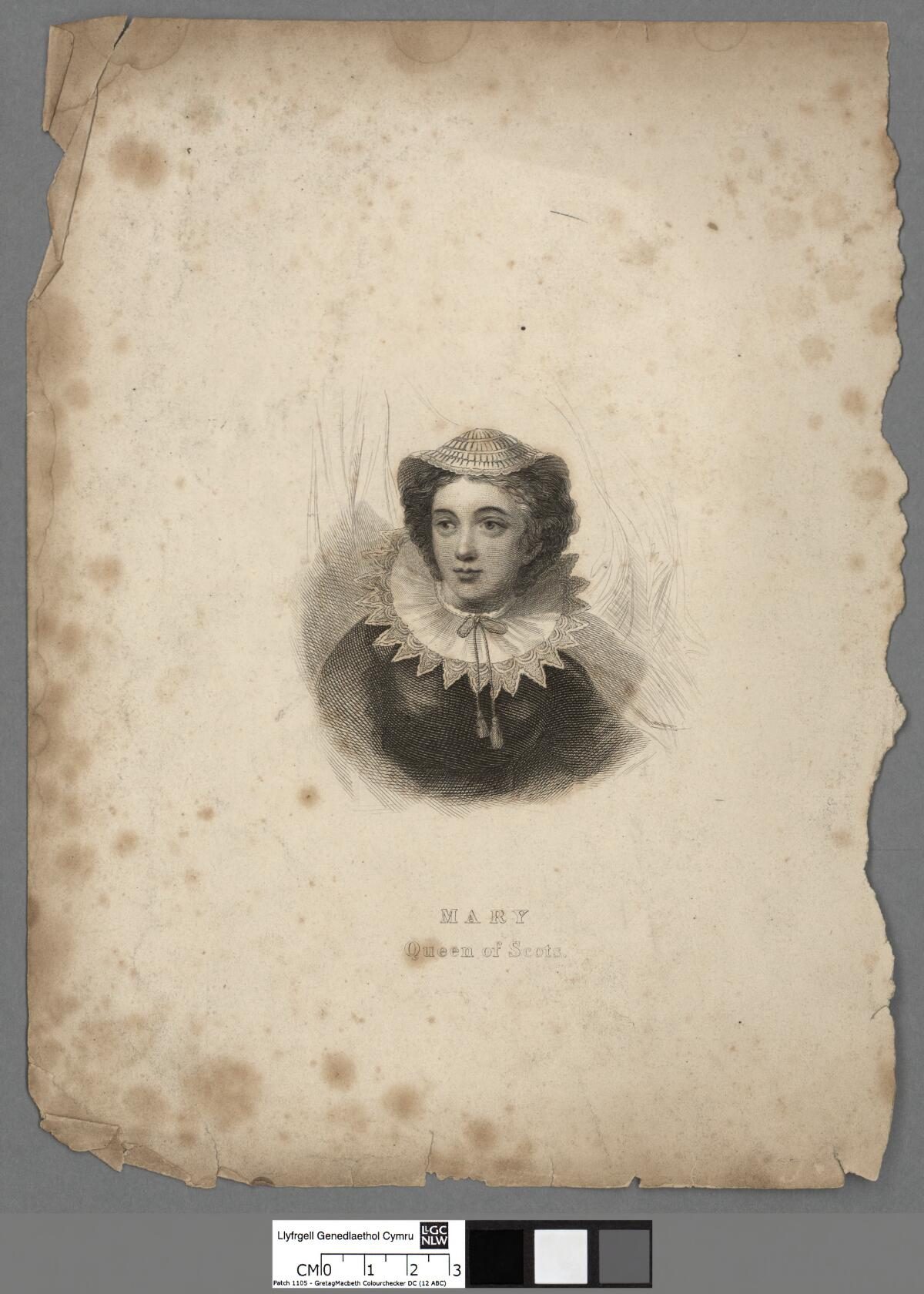
For nineteen years, Mary Queen of Scots sat in English captivity with no throne, no army, and no freedom. But she had a needle. With it, Mary wove a world of rebellion, embedding her embroideries with coded symbols and secret messages. These were more than just the idle musings of a queen stripped of power—they were carefully constructed acts of defiance, weaving her experiences, beliefs, and secret hostilities into the folds of her gowns. Through this artful rebellion, Mary charted a uniquely feminine form of resistance that continues to capture the fascination of historians and royal enthusiasts alike.
The Grand Battle of Two Queens
The unfolding tapestry of Mary Queen of Scots’ life threads together the glamour of renaissance courts with the raw human drama of political struggle. Mary was born to be a queen and kept her title of Queen of Scots from just six days old. Her life was set against the backdrop of Scottish and English political tension and a court filled with ambition, intrigue, and danger. Her marriage alliances, first with the French Dauphin and later with Henry Stuart, Lord Darnley, were politically charged unions intended to cement her claim to both the Scottish and English thrones.
The drama and rivalry between Mary and her cousin Elizabeth I added layers of intrigue to Mary’s story. Elizabeth, a master of statecraft and maternal successor to the House of Tudor, viewed Mary both as a legitimate cousin and a potential usurper. Their rivalry transcended the pages of political history, developing into a personal duel for power. In an era when regal power was embodied by the monarch, a dispossessed Mary posed both a dynastic threat and a painful reminder of a claim over English rule.
Captivity and Creation
Mary’s life took a cruel turn in 1567 when a series of misfortunes—including the murder of her second husband, Lord Darnley—forced her to abdicate the Scottish throne. Seeking the refuge of her cousin, Mary was instead imprisoned by Elizabeth, spending nearly two decades in confinement at various castles across England. Yet captivity did not silence Mary.
Denied the conventional symbols of power—courts, armies, and councils—Mary's needlework became a medium for political expression and resilience. Though she lacked the outward authority of a monarch, she turned to embroidery as a means of communicating with the world beyhond. Her intricate tapestries featured symbols, flowers, and animals that spoke their own language. The unicorn, for instance, a frequent motif in Scottish heraldry, symbolized purity and power, weaving Mary's own narrative strength into each piece.
The Code in the Cloth
Mary’s embroideries were not merely about aesthetics but were richly encoded with allegories. In one gown, she stitched the image of a phoenix rising from the flames—symbolizing rebirth and the resilience of monarchy. Her embroideries featured meticulously crafted designs of thistles (for Scotland), and roses (commonly associated with England), showing her intertwining allegiances and aspirations.
Historians have also discovered subtle portraits of those she considered adversaries, built discreetly into floral designs. Some think of these as hidden jabs at Elizabeth I and Mary's other enemies—effigies shielded in silk that uttered silent resistance and enduring defiance. The precise intent behind these symbols remains a source of scholarly debate, but their impact as instruments of subversion within her constricted world is universally acknowledged.
A Queen's Legacy
Mary’s artistry in captivity not only communicated her identity but also allowed her to navigate the constraints placed upon her. While other means of dissent were denied, her needle and thread became powerful tools of autonomy and legacy. Historians have sought to trace her intricate works, preserving them as artifacts of an erstwhile queen’s resilience and ingenuity.
In today’s world, Mary's needlework presents a striking example of how the human spirit can transcend bars and blinds. Her embroideries are celebrated for their aesthetic brilliance and as a testament to the indomitable nature of regal resolve. Through her embellishments, she reminded history that the pen is not the only powerful instrument—the needle, too, can sew a story with threads of silent defiance and a pattern of enduring hope.
Reflection Through the Threads of Time
Mary Queen of Scots’ ambitions and tribulations resonate beyond her era, continuing to captivate contemporary audiences fascinated by tales of royal individualism and courage. Her legacy is painted not just in the lineage of British monarchy, but within the vibrant tapestries that captured her inner world—evidence of a queen stripped of worldly power, yet regal in her resolve to tell her story.
In the grand chronicles of the British monarchy, Mary's needlework serves as a reminder of the myriad ways royals have navigated their complex roles. Her story—woven into fabric—reminds us of the resilience required of those born into royalty, and how, through simple threads, an enduring tapestry of courage and defiance was crafted for the ages.
📷 Photo: Unknown authorUnknown author. Public domain via Wikimedia Commons.