Queen Mary's Secret That Kept Her Sane During the Blitz
The Unexpected Evacuation of a Royal Matriarch
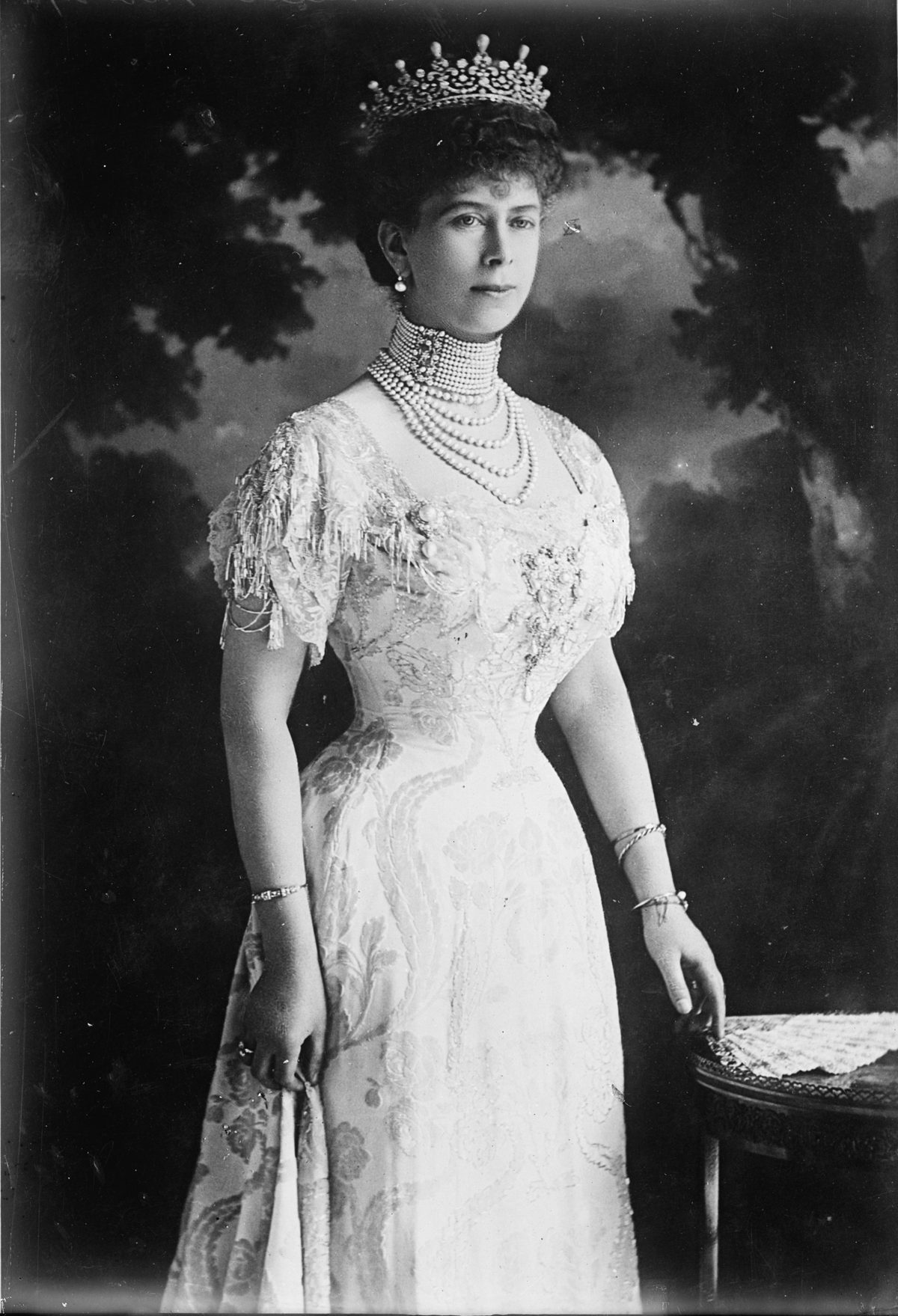
The relentless drone of enemy bombers above the grey skies of London forced many to seek refuge during the Blitz, but perhaps none faced this upheaval with the fortitude and grace of Queen Mary. At the age of 73, the Dowager Queen, mother of King George VI and grandmother to the young Princess Elizabeth, found herself in an unanticipated sanctuary away from the London she cherished. Evacuated in 1940 for her safety, she settled at Badminton House, the grand estate of her niece the Duchess of Beaufort. While some might expect a royal in her twilight years to withdraw quietly, Queen Mary defied all expectations, embarking instead on a most unexpected crusade.
A Regal Retreat with Purpose
The regal atmosphere at Badminton House, situated in the gentle hills of Gloucestershire, provided a picturesque backdrop for Queen Mary’s stay. As grand and storied as the house was, its allure could not distract her from the turmoil engulfing her beloved nation. Her hosts, the Duke and Duchess of Beaufort, surely anticipated a peaceful stay; however, Queen Mary was a woman of action. Quickly deciding that idleness was not an option, she set about crafting a daily routine that involved more than leisurely walks or afternoons by the fire.
Every morning, Queen Mary would gather the local villagers and rally them towards a singular and somewhat peculiar goal—clearing the ivy that clung stubbornly to the ancient walls surrounding the estate. Her determination was indefatigable; she approached the task with a vigor and commitment that belied her years. For Queen Mary, this wasn’t mere busywork. It was a symbol of resistance, a small but significant gesture of defiance against the chaos encroaching on British soil.
A Queen's Labor of Love
Those who participated in Queen Mary’s labor would witness firsthand her resilience and indomitable spirit, qualities that had long defined her formidable presence within the royal family. But why ivy, one might ask? To the queen, the creeping plant represented the encroachment of time, slowly threatening the landmarks of history and tradition she held so dear. Hence, the act of removing it was not only physical labor but a metaphor for maintaining heritage and stability amidst uncertainty.
Yet, Queen Mary was aware that this task offered more than personal solace; it became a source of morale for those around her. The villagers, staring down the realities of war every day, found unexpected inspiration in the royal’s dedication. It was not a time for grand gestures but small acts of service and unity, knit together by a queen who led by example. Her presence in the village, sleeves metaphorically rolled up and hands busy with work, was a powerful reminder of the monarchy’s enduring commitment to the nation’s spirit.
Legacy and Lessons of Resilience
Queen Mary’s actions during those war-torn days at Badminton are hardly found in textbooks, but her steadfastness and poise resonate with historical warmth and wisdom. In confronting fear and uncertainty, her strategy was beautifully simple: connect with the land, engage with the community, and fight back the encroaching chaos in any way possible. Her approach speaks volumes about her character and the role she believed the monarchy should play—not detached observers, but active participants in the life of the nation.
Today's royal family continues to uphold Queen Mary’s values through their enduring association with philanthropic efforts and community involvement across the globe. While the world has changed dramatically since the days of the Blitz, the essence of her actions—bringing humanity, courage, and continuity—remains profoundly relevant.
In Queen Mary's story, we find not only a historical footnote but a timeless message of perseverance. Her seemingly simple act of clearing ivy became a metaphor for combating adversity on both personal and communal fronts. As men and women everywhere face their own forms of uncertainty, the legacy of Queen Mary’s quiet resistance stands as a beacon of determination and hope.
📷 Photo: Bain News Service; this edit (clean up, contrast & sharpness, slight crop and downsample) by mixpix 23:28, 5 January 2008 (UTC). Public domain via Wikimedia Commons.