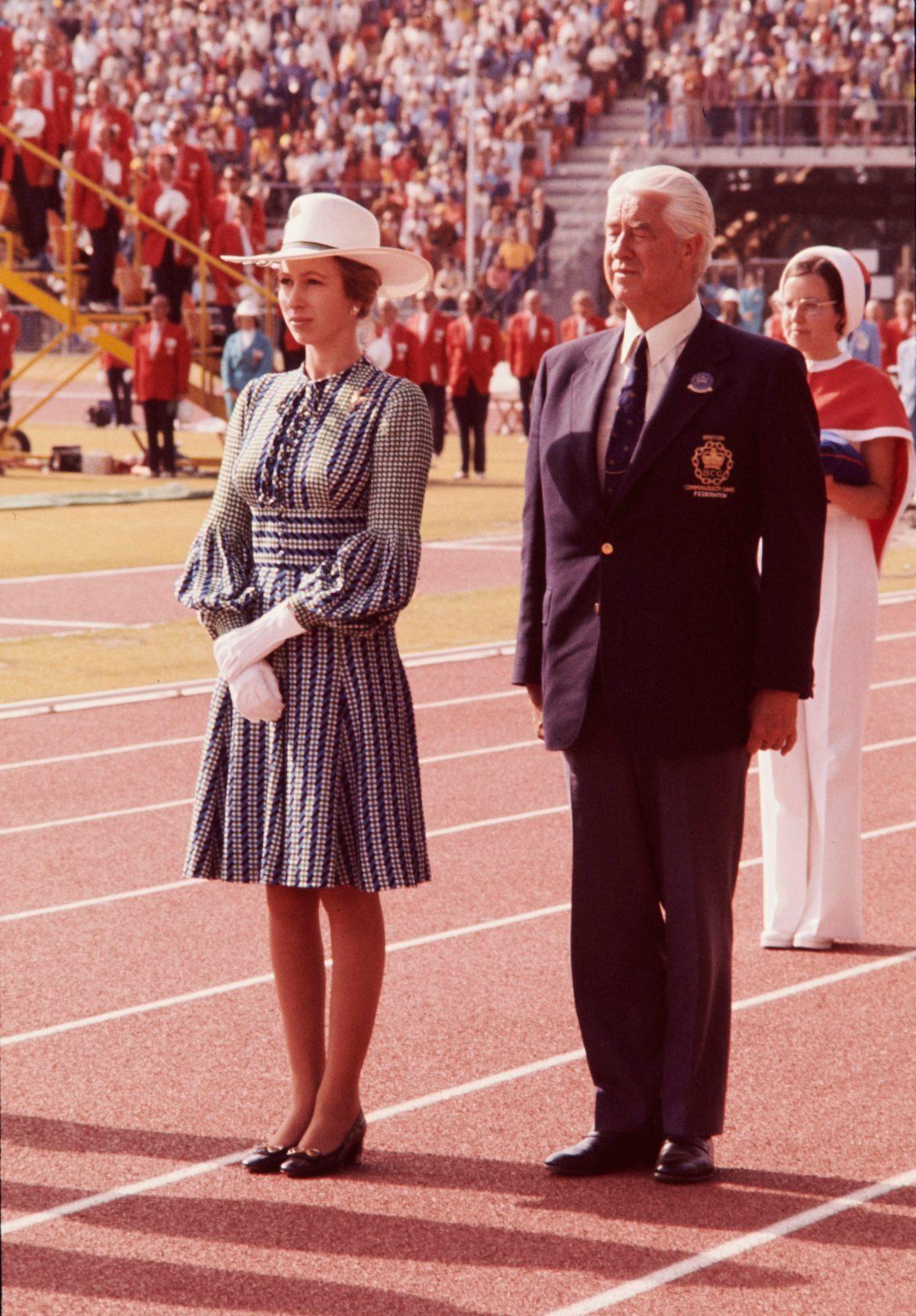
In a world where titles often took precedence over talent, one royal defied tradition at the grandest athletic stage. This is the tale of Princess Anne, who, in 1976, chose to ride into Olympic history not as a royal, but simply as 'Anne Phillips.' Stripped of the privileges her lineage offered, and daringly pregnant with potential controversy, she competed not just against the world's best but also her own legacy. What unfolded next defined more than just an equestrian event—it illuminated the character of a woman determined to be recognized for her skills rather than her status.
The Reluctant Royal on Horseback: A Legacy of Equestrian Passion
For Princess Anne, the love of horseback riding was more than just a princely pastime. It was a devotion nurtured by her mother, Queen Elizabeth II, who herself was a passionate equestrian. From earliest childhood, Anne was immersed in the world of horses, a world that valued grit and grace over the pomp and circumstance she knew at the palaces. Her journey to the 1976 Montreal Olympics was not an overnight success. It was a tapestry woven through years of dedication, discipline, and a deep-seated love for the sport.
Initially, Anne was known for her remarkable achievements in the equestrian sphere, notably winning the European Eventing Championship in 1971. Her entry into the Olympics was an affirmation of her credentials, not as a royal, but as an accomplished rider on the international stage. Despite being titled as the Princess Royal, it was as fundamental to Anne’s character to pursue her passion without the trappings of royalty. It was this steadfast resolve that began her journey towards Montreal.
A Lifelong Love Rekindled in Montreal
When Princess Anne arrived at the 1976 Olympics, it was under the pseudonym 'Anne Phillips,' stemming from her marriage to Captain Mark Phillips, an acclaimed equestrian in his own right. This choice was emblematic of her approach—letting her talents, not her title, speak for her. The decision to forego bodyguards further underscored her determination to compete as an equal, distancing the spectacle of royalty from the rugged demands of the equestrian events.
The three-day eventing discipline she participated in is renowned for its grueling demands—a true test of horse-and-rider synergy. Anne's equestrian journey was not solely a royal pursuit. It reflected her desire to connect with the sport on a purely human level. Riding Goodwill, her trusted steed, Anne met the challenges head-on, exuding the competitive spirit and resilience she had honed over years.
Triumph in the Face of Adversity
Princess Anne’s Olympic performance was an odyssey through trials and triumphs. The courses were punishing, and the competition fierce. Yet, even as she finished without medaling, her participation held immeasurable value—a testament to the spirit of sport itself. Anne later described it as one of the proudest moments of her life, not because of her rank, but for the effort and determination it encapsulated.
The Olympic Games are more than just records and rankings. They are about the camaraderie and human spirit that bind athletes across borders. Anne’s presence at the games was a poignant reminder that nobility lies as much in embracing challenges as it does in ceremonial crowns. Her resolve to compete equally—and controversially without the emblem of her royal stature—spoke volumes of her character.
A Legacy That Resonates Through the Ages
Princess Anne’s Montreal saga is a chapter that resonates far beyond the realm of sports. It reverberates as a powerful illustration of how duty and passion can coexist within the framework of royal life. Her choice to participate as 'Anne Phillips' underscores a royal’s potential to transcend the ceremonial expectations placed upon them, aspiring towards personal goals and passions.
Today, we regard the British monarchy not only for its historical significance and stately grandeur but also for the individual stories that define its members. Anne’s Olympic journey is a reminder that royalty is not a monolith—it is an anthology of personal pursuits, of daringly challenging conventions, and finding commonality with the world at large. In 1976, Mont Royal wasn’t just a venue—it was a stage where a princess embraced her humanity, shedding royal vestiges to stand shoulder-to-shoulder with the world’s athletes.
As we reflect upon Princess Anne’s Montreal experience, we are struck not only by her courage but by the enduring messages she imparts, even decades later. In today’s world, where privilege and persistence often intersect and clash, Anne stands as an unwavering herald of hard work. Her legacy is one of humility and determination—values that continue to inspire and elevate the very idea of royalty beyond its titles.
📷 Photo: Archives New Zealand. CC BY 2.0 via Wikimedia Commons.