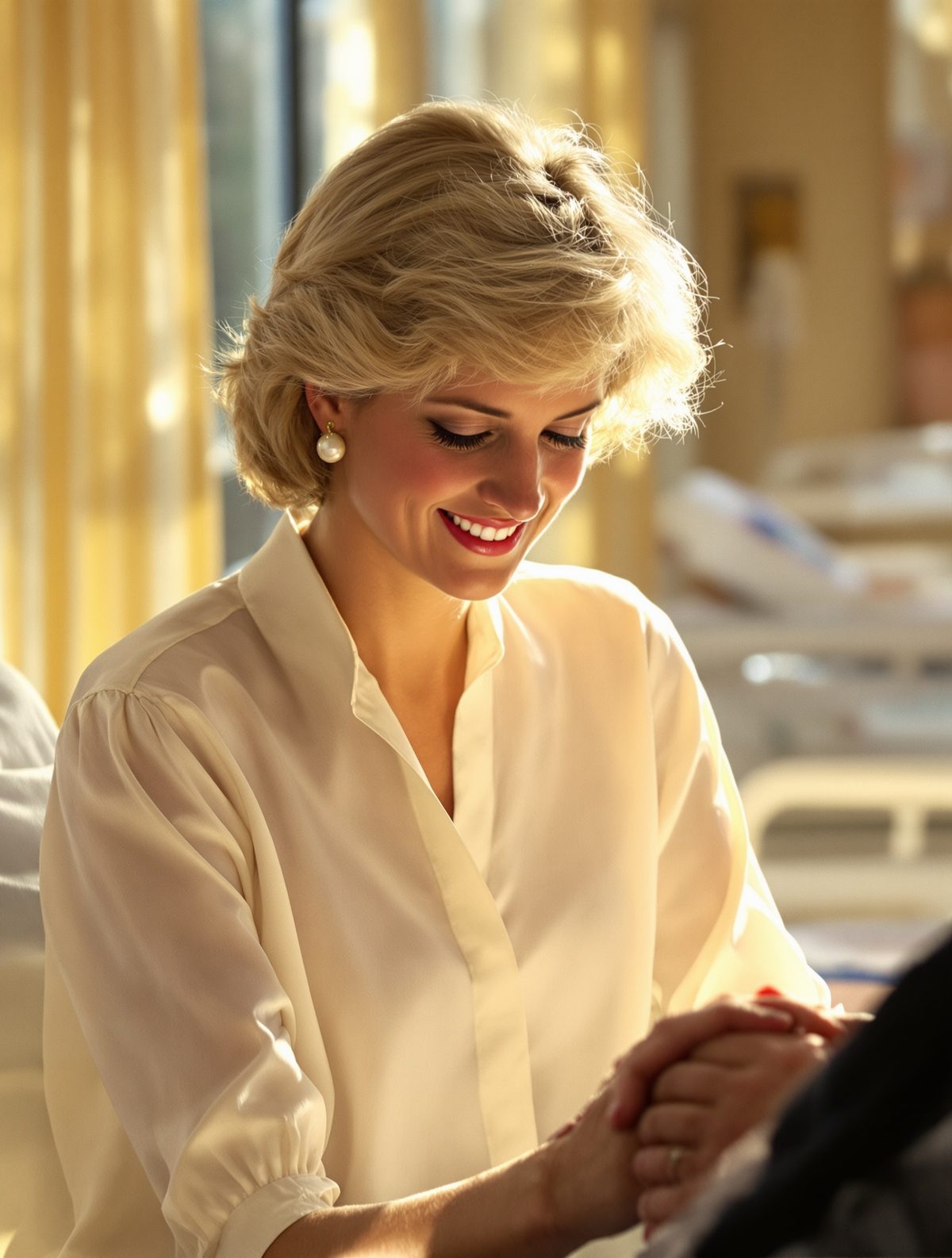
In the mid-1980s, the world watched with fascination as Princess Diana navigated her role as the Princess of Wales. With each public appearance and charitable endeavor, she magnetized the globe, transcending royal protocol with her genuine warmth and charisma. Yet, amidst the flurry of royal duties and global attention, Diana found time for the smallest gestures — including a handwritten reply to a child’s crayon letter, an act that etched her indelibly into the hearts of people everywhere.
A Special Connection: Diana and Her Young Admirers
During her time as a royal, Princess Diana received an avalanche of correspondence each week, with letters arriving by the thousands at Kensington Palace. The vast majority of these were directed to her staff, whose responsibility it was to provide gracious responses, acknowledging heartfelt greetings and well-wishes. However, Diana held a particular fondness for the letters sent by children, seeing them as unfiltered expressions of warmth and innocence.
The children who wrote often did so with crayon and colored pencils, offering up shaky stick figures or sincere expressions of admiration. Far from being lost in the sea of royal correspondence, these letters were cherished by Diana. Many nights, when the palace halls echoed only the sounds of its ancient structure, Diana would personally sift through these letters, absorbing the innocent words of her youngest fans.
In a world bound by formalities and tradition, Diana’s personal touch bridged such divides with poignant simplicity. She understood the impact of a personal connection and believed in spreading joy, especially to those who looked up to her as a symbol of grace and compassion.
The Letter That Became a Treasure
Among the many letters that caught Diana’s attention was a wobbly crayon drawing from a seven-year-old child. This particular child, living in a quaint English town, had depicted Diana standing under a big yellow sun, her unmistakable hair framing her face. Beneath the drawing were the words, “To Princess Diana, Love from a Little Friend.”
Perhaps it was the vivid yellows of the sun or the earnest simplicity of the message that resonated with Diana. Either way, instead of passing it along for a standard reply, she decided to write back personally. The letter she crafted was simple, yet heartfelt. In her distinctive script, Diana expressed her thanks and admiration for the child’s artistic efforts, a gesture that was as genuine as it was unexpected.
For the child, this reply wasn’t just a letter from a royal figure; it was a touch of magic, an affirmation of being seen and appreciated by a princess. This cherished exchange was carefully preserved by the child's family, becoming a priceless heirloom passed down through generations.
A Royal Philosophy of Kindness
Such gestures illustrate a cornerstone of Diana’s legacy: her unwavering commitment to kindness. Unlike her predecessors who often adhered strictly to royal decorum, Diana embraced an approach grounded in empathy and humanity. It was the human stories of those she met that she carried with her, each interaction enriching her mission to connect with others in meaningful ways.
In a palace known for its grandeur and storied traditions, Diana’s personal touches served as a reminder of the power of human connection. Her letters to children and her spontaneous hugs during official visits redefined the monarchy’s relationship with the public, transforming it into one that felt approachable, even familial.
The Enduring Impact of Diana’s Gestures
The ripples of Diana’s compassion can still be felt today, echoing in the actions of those she inspired and affecting how the broader community engages with the monarchy. Each simple act of kindness by Diana laid a foundation for a more personable royal family, one that continues to evolve and hold a balanced relevance between tradition and modern duty.
This legacy of warmth and connection has not only shaped the public's view of the monarchy but also served as a model for the current generation of royals. Many aspects of Diana’s approach can be seen in the charitable endeavors and public engagements of her children and their families. The ethos she championed — viewing each individual as significant and worthy of attention — remains an integral part of how we understand the contributions of the modern royal family.
Princess Diana's unexpected reply to a child’s crayon letter underscores the enduring symbolism of her life: compassion knows no boundaries. As we reflect on her lasting influence, we’re reminded that small acts of kindness are transformative — not just for individuals, but for society as a whole. In embodying the spirit of connection and empathy, Diana left behind a tapestry of love and care that continues to inspire the world, illustrating the timeless truth that the most profound legacies are often written in the smallest, most heartfelt gestures.
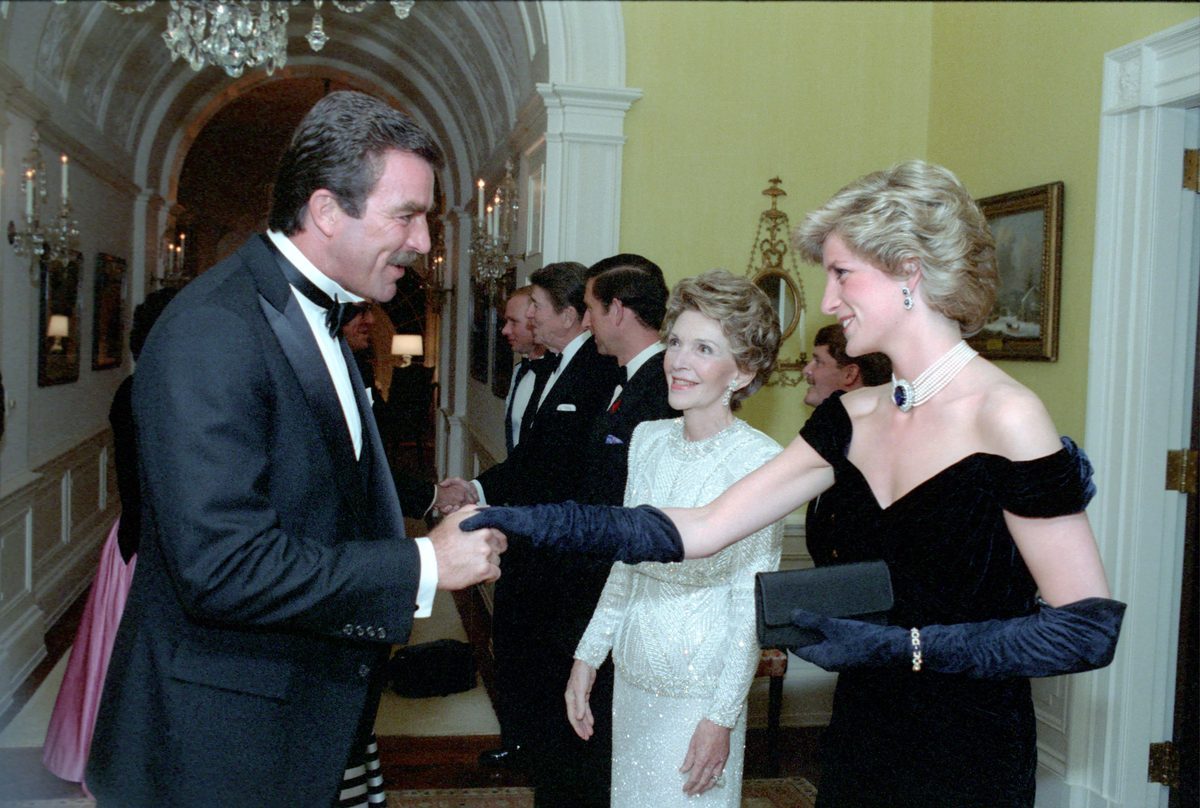
📷 Photo: Series: Reagan White House Photographs, 1/20/1981 - 1/20/1989 Collection: White House Photographic Collection, 1/20/1981 - 1/20/1989. Public domain via Wikimedia Commons.