When the marble sculpture was unveiled at the Royal Academy's 1881 summer exhibition, art critics were immediately captivated. The piece, signed simply "L.S.," demonstrated such technical mastery and artistic vision that reviewers praised the mysterious sculptor's exceptional talent. What none of them realised was that they were admiring the work of Princess Louise, Queen Victoria's fourth daughter, who had been quietly revolutionising the art world under her carefully chosen initials for years.
In an era when royal ladies were expected to dabble in watercolours as a genteel pastime, Princess Louise was secretly building a professional artistic career that would have scandalised Victorian society had they known the truth. Her clever deception allowed her work to be judged purely on its merit, free from the prejudices and expectations that came with her royal birth.
The Royal Rebel's Artistic Awakening
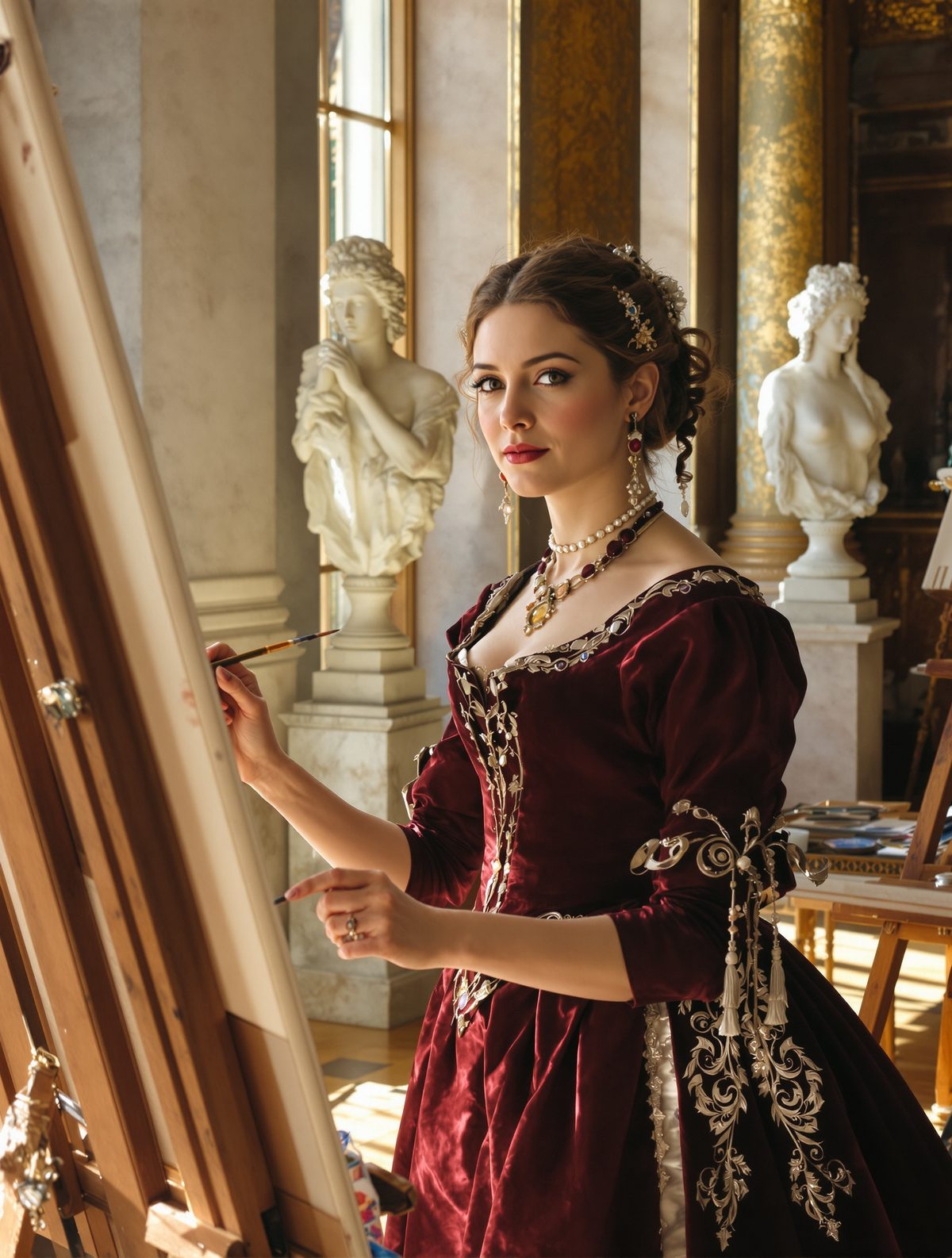
Born in 1848, Princess Louise Caroline Alberta was always the most unconventional of Queen Victoria's daughters. While her sisters followed traditional paths of royal duty and advantageous marriages, Louise harboured ambitions that extended far beyond the drawing rooms of Windsor Castle. From an early age, she displayed a remarkable talent for both painting and sculpture that went far beyond the expected accomplishments of a Victorian princess.
Her artistic education was surprisingly progressive for a royal lady of the time. Queen Victoria, despite her conservative reputation, recognised her daughter's exceptional abilities and arranged for Louise to study at the National Art Training School (now the Royal College of Art). This was revolutionary—no royal princess had ever received formal artistic training alongside commoners. The Queen's decision reflected both her recognition of Louise's talent and her surprisingly modern views on education for women.
Under the tutelage of renowned sculptors including Sir Edgar Boehm, Louise honed her skills in marble carving and bronze casting. Her fellow students had no idea they were sharing studio space with royalty, as Louise worked under careful supervision and with utmost discretion. The princess threw herself into her studies with a dedication that impressed even her demanding instructors.
The Secret of the Mysterious "L.S."
The initials "L.S." became Princess Louise's artistic alter ego, allowing her to exhibit and sell her work without the complicated dynamics of royal patronage. The "L" naturally stood for Louise, while the "S" represented "Saxe-Coburg-Gotha," her family's German surname before it was changed to Windsor during the First World War. This simple signature became her passport to artistic freedom.
The strategy was brilliant in its simplicity. Victorian art critics and collectors, predominantly male and often dismissive of women artists, found themselves praising work they might have approached with scepticism had they known it came from a royal lady's hand. The mysterious L.S. was judged purely on artistic merit, and the work consistently received glowing reviews.
Louise's sculptures commanded impressive prices—hundreds of pounds each, substantial sums in Victorian money. Wealthy collectors competed to acquire pieces by the enigmatic artist, never suspecting they were purchasing works by Queen Victoria's daughter. The princess quietly deposited the proceeds into her personal accounts, achieving a level of financial independence almost unheard of for royal ladies of the era.
Her paintings, too, found eager buyers among London's art-loving elite. Working primarily in oils, Louise created landscapes, portraits, and genre scenes that demonstrated both technical skill and genuine artistic vision. Gallery owners were delighted to represent the mysterious L.S., whose work sold reliably to discerning collectors.
Breaking Royal Protocol with Brush and Chisel
Princess Louise's secret artistic career represented a radical departure from royal expectations. Victorian royal ladies were meant to be ornamental—beautiful, accomplished in ladylike pursuits, and devoted to duty and family. Professional ambitions, particularly in something as bohemian as the art world, were simply not considered appropriate.
The princess's choice to work in sculpture was particularly daring. Sculpture required physical strength and stamina, with artists spending hours wielding heavy tools and working with resistant materials. It was considered decidedly masculine, making Louise's mastery of the medium all the more remarkable. She became proficient in marble carving, bronze casting, and clay modelling—skills that required years of dedicated practice.
Her most ambitious work was the statue of Queen Victoria for Kensington Palace's grounds, completed in 1893. This official commission allowed Louise to work openly for the first time, though even then, many were surprised that a princess could create such a masterful piece. The statue remains one of the most celebrated portraits of the late Queen, capturing both her majesty and humanity with remarkable skill.
Louise's artistic rebellion extended beyond her choice of medium. She mixed with artists, writers, and intellectuals—a bohemian crowd that was quite different from typical royal circles. While maintaining perfect discretion about her identity when selling as L.S., she gradually became known in artistic circles as a princess with genuine talent rather than mere royal pretensions.
The Legacy of a Royal Artist
When Princess Louise's true identity as L.S. eventually became known—though exactly when remains unclear from historical records—it created something of a sensation. Art critics who had praised the mysterious sculptor's work found themselves having to reconcile their admiration with their preconceptions about royal artistic abilities. Most, to their credit, acknowledged that their praise had been well-founded regardless of the artist's identity.
The princess continued creating art throughout her long life, living until 1939. Her later works were exhibited openly under her real name, though they never quite captured the same excitement as those mysterious pieces signed L.S. Perhaps there was something thrilling about the secret that added to their allure, or maybe Louise herself found the work more satisfying when it was judged without the complications of her royal status.
Princess Louise's artistic achievements went far beyond her own personal satisfaction. She became a patron of young artists, particularly women seeking to establish themselves in a male-dominated field. Her example helped pave the way for future generations of royal women to pursue their own professional interests and talents.
Princess Louise's ingenious deception reveals something profound about both artistic merit and royal expectations. By hiding her identity behind simple initials, she proved that talent transcends titles and that true artistic worth cannot be determined by birth or social position. Her story resonates particularly strongly today, as modern royals increasingly seek to balance public duty with personal fulfillment and professional achievement. The rebel princess who signed her masterpieces "L.S." blazed a trail that contemporary royal women continue to follow, pursuing their own passions while serving the Crown with dignity and purpose.