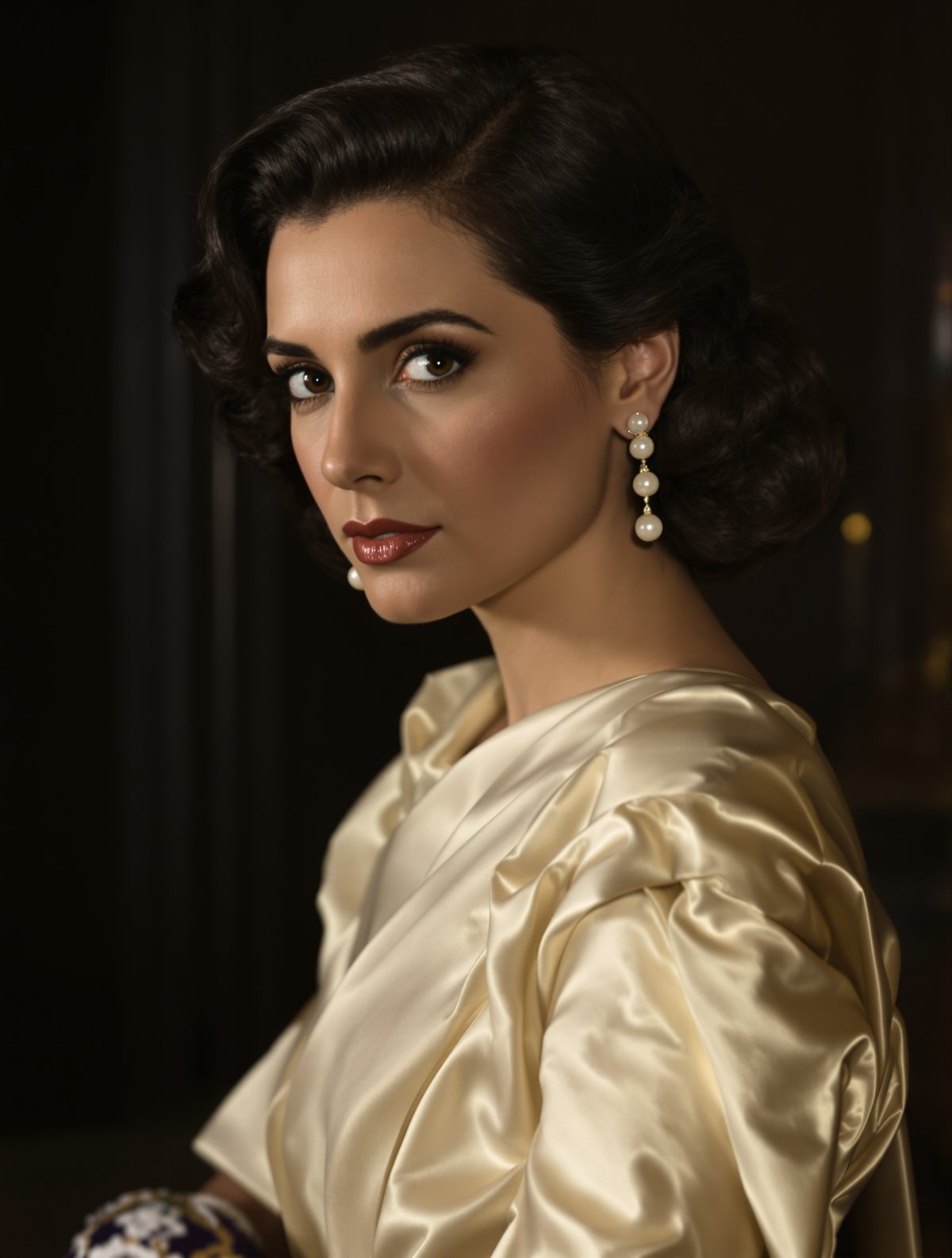
In the dim, restrained light of wartime Britain—an era shrouded in austerity, rationing, and sacrifice—there glimmered unexpected pockets of elegance, orchestrated by none other than the royal family. At the heart of this stylish defiance was Princess Marina, Duchess of Kent. Her grace and ingenuity became symbols of resilience, especially through her remarkable act of transforming a humble necessity of war—a parachute—into a gown of unparalleled beauty and sophistication. Here was fashion not just as adornment, but as a quiet rebellion against the drabness imposed by war.
Wartime Austerity: Curtaining the Glamour
The Second World War had made its grim entrance into British daily life, carrying with it severe restrictions on luxury items—including silk. For civilians and royals alike, the days of opulent evening wear and sumptuous fabrics seemed like a distant memory. Fashion houses had shuttered their doors or pivoted to utility wear, and the country's focus on the war effort translated into strict fabric rationing regulations set by the British government.
In this constrained environment, the sartorial habits of the royals became a subject of great public interest. Every fabric decision was scrutinized, and any semblance of luxury could be met with criticism. Yet, amidst the fabric scarcity and societal shifts, there emerged stories like that of Princess Marina. The Duchess of Kent, with her consummate sense of style, navigated these challenges with an elegance that spoke volumes of her royal stature and her individual fortitude.
Princess Marina: A Royal's Ingenuity
Princess Marina was not just any royal figure; she was a queenly presence with a distinctly continental flair. Born a princess of Greece and Denmark, her marriage to Prince George, Duke of Kent, had brought her to British shores. With her continental upbringing, she possessed an appreciation for the finer things, balanced by an innovative spirit capable of making the most out of a limited wardrobe.
Unable to access the sumptuous, body-hugging materials she once wore, Marina took an ingenious step. She repurposed and remade her existing designer gowns, many crafted by the renowned couturier Molyneux. With threads carefully unpicked and fabrics cleverly repurposed, Marina displayed a commitment to maintaining regal elegance, regardless of obstacles.
The Parachute Transformation: A Dress That Defied
One of her most inventive contributions to wartime fashion was the creation of a gown from a silk parachute. Parachutes, made from the finest silk available during the war, were often salvaged and repurposed by enterprising individuals. The transformation of a parachute into a gown was not just a practical choice—it was an act of defiance against the grey blanket of wartime privation.
No ordinary dress, this gown was something more—a statement of resilience and adaptability. In the hands of Princess Marina, the parachute silk threaded its way into a sophisticated ensemble, marked by a subtle sheen and flowing form. This dress, both in its material and its narrative, encapsulated the spirit of the era: resourceful yet undeniably chic.
The Human Touch: Beyond Royal Glamour
To modern audiences, the idea of a princess dressing in parachute silk might seem a charming anecdote from a bygone era. Yet, it was much more than a fleeting fashion note. During these times, British citizens idolized the royal family not just for their status but for their role in boosting national morale. By donning a gown fashioned from parachute silk, Princess Marina connected with her people in a profound and accessible way. She became not merely an untouchable figurehead of style but a relatable, inspirational symbol of good humor, optimism, and adaptability.
The choice resonated with a wartime populace who thrived on stories of community spirit and shared sacrifice. Just as they were encouraged to "make do and mend," here was a royal doing the same—albeit under more glamorous circumstances.
The Legacy of Innovation in Royal Fashion
Decades later, Princess Marina’s parachute gown serves as a testament to the lasting allure of innovation within the royal family. Her story has become a part of the fabric of royal legend, celebrated not just for its elegant outcome but for the spirit of creativity and resilience it embodied. In many ways, the resourcefulness Marina displayed parallels the modern royal emphasis on sustainable fashion and environmental mindfulness.
Today, the world looks to the royals not just for pageantry and tradition, but for leadership in social responsibility. The way Princess Marina repurposed materials during the privations of war is echoed in the contemporary efforts of royals who champion sustainable practices and conscientious consumerism. Her wartime gown stands proudly in its time, while its legacy continues to influence and inspire.
In these reflections on wartime resilience and stylish resourcefulness, Marina’s story invites us to consider how we, too, can find beauty and dignity, even in adversity. Her parachute dress is a timeless symbol and a poignant reminder that elegance and strength are often knit together most beautifully in the face of great challenges.