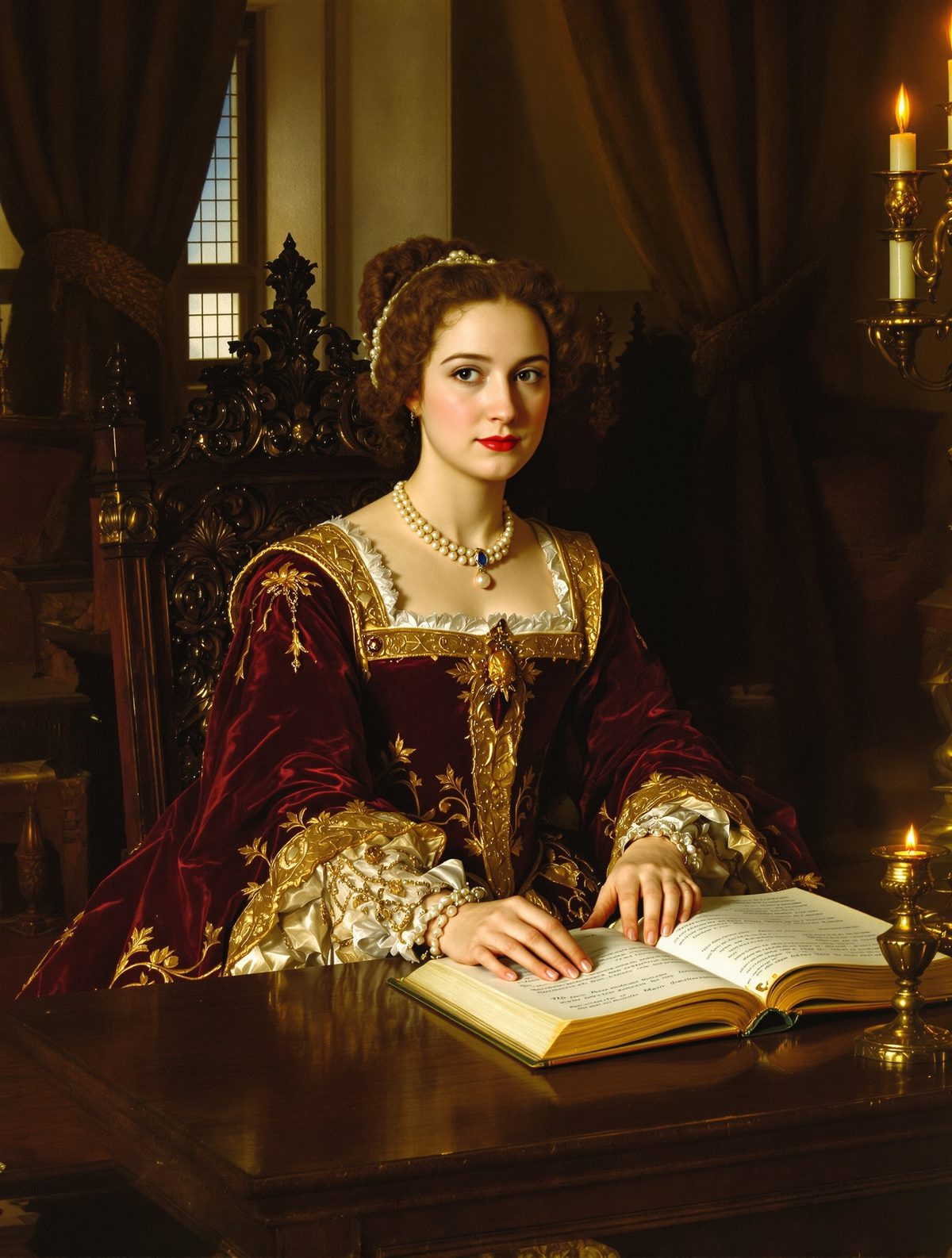
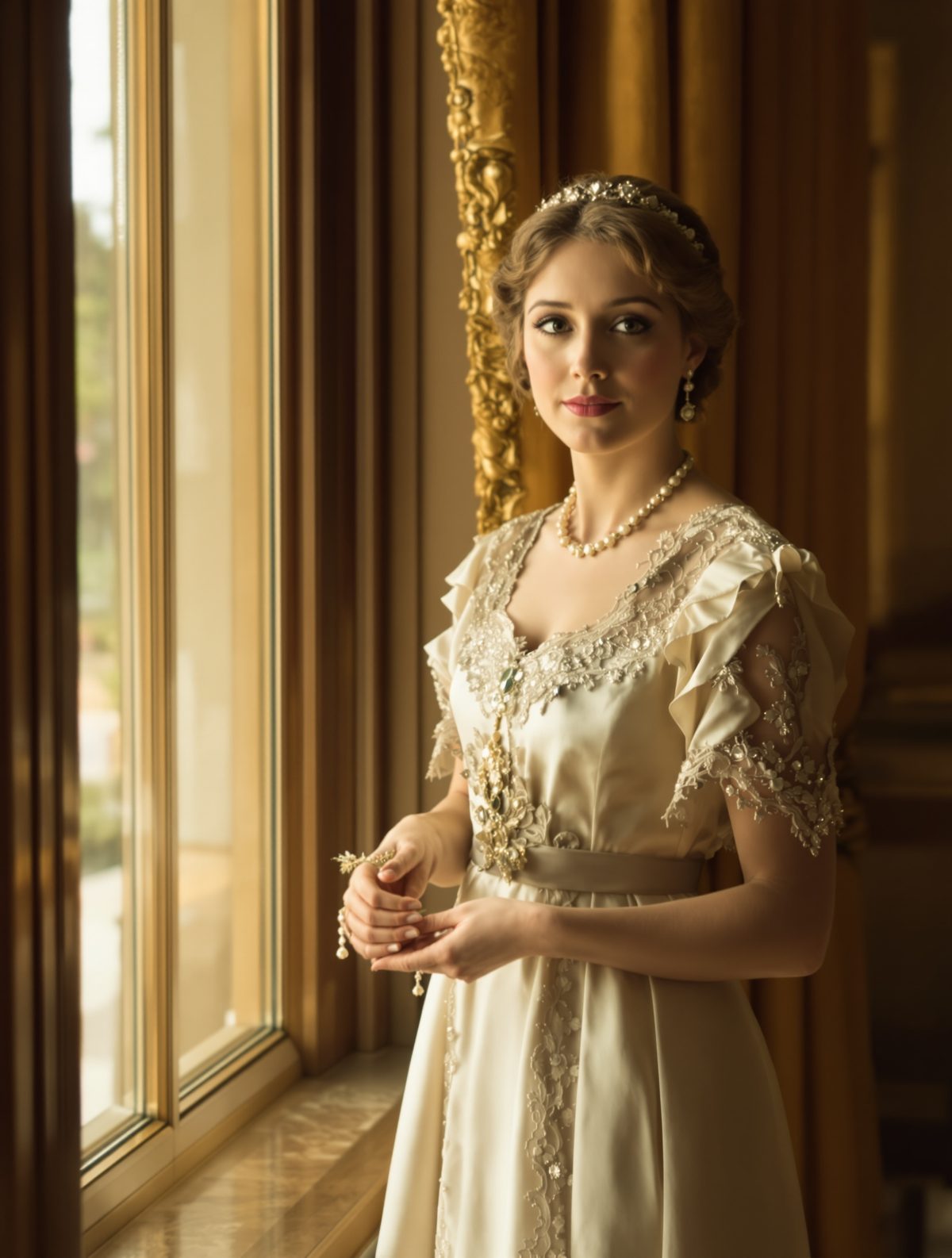
In the glittering world of early 20th-century royalty, where duty trumped desire and tradition bound every breath, one young princess dared to choose love over lineage. Princess Patricia of Connaught, granddaughter of the formidable Queen Victoria, shocked the Royal Family to its very core in 1919 when she made a decision that was nothing short of revolutionary: she completely renounced her royal title to marry the man she loved. In doing so, she transformed overnight from Her Royal Highness Princess Patricia into plain Mrs. Alexander Ramsay—a commoner by choice.
A Princess Born Into Duty
Born in 1886 at Buckingham Palace, Princess Victoria Patricia Helena Elizabeth was the youngest child of Prince Arthur, Duke of Connaught, and Princess Louise Margaret of Prussia. As Queen Victoria's granddaughter, Patricia—known affectionately as "Patsy" within the family—grew up surrounded by the pomp and privilege that defined royal life at the height of the British Empire.
Her childhood was spent between the grand corridors of royal residences and the sun-drenched landscapes of Canada, where her father served as Governor General from 1911 to 1916. It was during this Canadian sojourn that Patricia truly came into her own, displaying a refreshing informality that endeared her to the Canadian people. She was patron of Princess Patricia's Canadian Light Infantry, a regiment that bore her name and carried her personal cipher into battle during the Great War.
Unlike many of her royal contemporaries, Patricia possessed an independent spirit that occasionally chafed against royal protocol. Those who knew her described a young woman of considerable intelligence and warmth, with a mischievous streak that delighted those around her. She was artistic, accomplished, and—most dangerously for a royal of her era—increasingly convinced that happiness mattered more than duty.
Enter Commander Alexander Ramsay
Alexander Ramsay was everything a suitable royal suitor was not. The third son of the 13th Earl of Dalhousie, he was technically of noble birth but possessed no significant titles, wealth, or prospects that would typically attract royal attention. What he did have was a distinguished naval career, having served with honor during the Great War as a commander in the Royal Navy.
The couple's romance appears to have blossomed during the war years, though the exact details of their courtship remain tantalizingly private. What we do know is that by 1918, Patricia had made up her mind: she would marry Ramsay, regardless of the consequences. This was no fleeting infatuation but a deep, abiding love that she deemed worth any sacrifice.
The challenge was immense. Under the Royal Marriages Act of 1772, Patricia required the sovereign's consent to marry—and marrying a commoner, even one with naval distinction, was virtually unheard of in royal circles. The Royal Family had spent decades carefully orchestrating marriages that would strengthen political alliances and maintain the monarchy's prestige. Patricia's choice threatened to upend centuries of tradition.
The Unprecedented Decision
What happened next was nothing short of extraordinary. Rather than abandon her love or attempt to negotiate a compromise that might diminish Ramsay's status, Patricia chose a third option that stunned even the most progressive members of the Royal Family: she would renounce her royal title entirely.
On February 27, 1919, Princess Patricia signed documents that stripped her of her royal style and status. She was no longer "Her Royal Highness" but simply "Lady Patricia Ramsay"—and even that courtesy title was granted only through special remainder in recognition of her father's ducal status. More remarkably still, she relinquished any claim to the throne for herself and her future children, effectively removing her entire line from the succession.
The wedding took place at Westminster Abbey on February 27, 1919—the same day as her renunciation. It was a relatively modest affair by royal standards, though still magnificent enough to reflect Patricia's birth. King George V himself gave the bride away, a gesture that spoke to the family's ultimate acceptance of her decision, even if they couldn't quite understand it.
Contemporary accounts describe Patricia as radiant throughout the ceremony, displaying none of the nervousness one might expect from a bride making such momentous sacrifices. She wore a gown of silver and white, with the Connaught diamond tiara glittering one final time on her royal head. By the ceremony's end, she was simply Mrs. Ramsay, and she appeared to embrace her new identity with genuine joy.
Life as a Commoner
The transformation from princess to commoner was more than symbolic—it was practical and profound. Patricia and Alexander settled into a quiet life that was remarkable primarily for its ordinariness. They lived modestly by royal standards, with Alexander returning to his naval career and Patricia embracing the role of a naval wife.
The couple had one son, Alexander Arthur Alfonso David Maule Ramsay, born in 1919. True to her word, Patricia ensured that her child bore no royal titles and held no place in the line of succession. Young Alexander would grow up as a gentleman commoner, though his royal connections undoubtedly opened certain doors.
Despite her renunciation, Patricia maintained warm relationships with the Royal Family. She was frequently invited to family gatherings and state occasions, though she attended as Lady Patricia Ramsay rather than as a princess. Her decision, initially seen as scandalous, gradually came to be viewed as romantic and even admirable—a princess who had chosen love over duty and found happiness in the bargain.
Alexander Ramsay went on to have a distinguished career, eventually becoming an admiral. The couple's marriage proved enduring and happy, lasting until Alexander's death in 1972. Patricia herself lived until 1974, spending her final decades as a beloved figure who bridged the gap between the old royal world and the new.
Legacy of Love Over Duty
Princess Patricia's decision to renounce her title for love represents a fascinating turning point in royal history. In an era when duty was everything and personal happiness was considered secondary, she chose a different path—and in doing so, helped pave the way for the more flexible approach to royal marriages we see today.
Her story resonates particularly strongly in our current age, when members of the Royal Family routinely marry for love rather than political advantage. From Princess Margaret's tragic romance with Peter Townsend to Prince Harry's marriage to Meghan Markle, the tension between royal duty and personal happiness continues to captivate public imagination. Patricia's example suggests that sometimes, the bravest choice is to step away from the gilded cage entirely.
The woman who became Lady Patricia Ramsay proved that there could be life—and genuine fulfillment—beyond the confines of royal duty. In choosing love over lineage, she not only found personal happiness but also challenged the monarchy to consider whether rigid adherence to tradition was always worth the human cost. Her legacy reminds us that even in the most traditional institutions, love sometimes finds a way to triumph over convention.