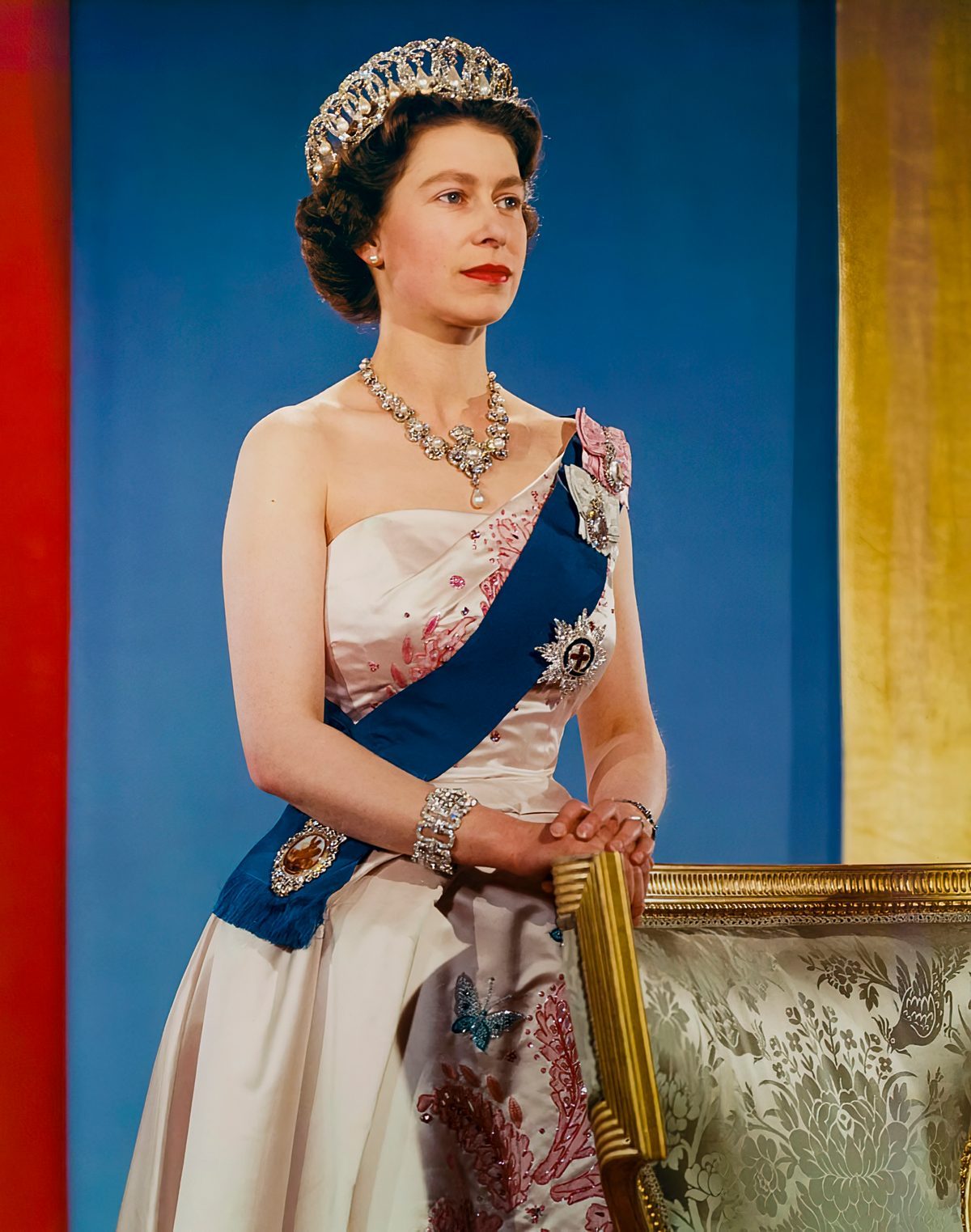
Eight pounds of solid gold. An untested young queen. Days before the world watched her walk into Westminster Abbey, Elizabeth II quietly rehearsed in private — wearing the crown around Buckingham Palace to build the strength and stillness that millions would witness on 2nd June 1953. It was a preparation steeped in tradition and expectation but executed with a simplicity that spoke to Queen Elizabeth's characteristic resolve and humility. She was 27 years old, facing a role that called for grace under the weighty splendor of history.
The Weight of Monarchy
The coronation of Queen Elizabeth II on 2nd June 1953 was a majestic affair, but beneath the dazzling veneer of opulence was a woman coming to terms with the tangible weight of her destiny. The center of the ceremony, St Edward's Crown, weighs a daunting eight pounds, a fact Elizabeth II confronted with practical determination. Days before her coronation, Elizabeth practiced wearing the crown—a symbol not merely of her reign but of centuries of British monarchy intertwined with the myths of yore. However, she faced this symbol alone in the palace corridors, a private figure rehearsing a very public role.
The crown itself is a remarkable piece of history, dating back to 1661, redesigned after Oliver Cromwell's seas of republican austerity. Cast in solid gold, it is set with 444 precious and semi-precious stones, offering a dazzling effect that is, quite literally, weighty. Queen Elizabeth's dress rehearsal was not just about managing the physical weight of the crown but also the invisible weight of expectations, legacy, and service to which she committed her life.
Queen Elizabeth's Quiet Resolve
With every step in those gilded halls, the young Queen was aware of the monumental role she was preparing to undertake. The Privy Council, fascinated and at times bemused by Elizabeth’s focused training, had little insight into these private practices. Her footsteps—deliberate and persistent—echoed through Buckingham Palace, skimming the marble and carpeted halls where other monarchs had tread before her. In one hand, she clutched a newspaper fashioned into a makeshift crown, a comedic semblance of the royal diadem she would soon bear. In those moments, far from the demanding gaze of subjects and officials, the young queen immersed herself in a world of quiet determination.
The preparations were not without their quirks and challenges. Queen Elizabeth found herself walking the corridors with articles about her own impending ceremony tucked beneath a paper crown. This blend of regal irony was part and parcel of Elizabeth's unique approach—grounded and humble, yet resolutely regal. There were no crowds, no media glitz, only Elizabeth and the idea of a monarchy stretching endlessly behind and before her.
Court, Community, and Ceremony
Buckingham Palace in 1953 was a hive of activity, humming with the excitement and tension befitting such a tremendous occasion. The Coronation Committee, courtiers, and a swathe of advisors worked meticulously to perfect an event observed by millions worldwide, cultivating a ceremonial cohesiveness that would convey both tradition and modernity. Behind this immense show of regal grandeur, some 8,251 attendees awaited their place within Westminster Abbey. The abbey itself, lush in its thousand-year history, stood as the eternal venue for such royal rites.
In the days preceding the coronation, while the young queen paced quietly with her newspaper crown, the palace rang with the instructions of couturiers, tailors, and ceremony officials. The royal household was in a relentless surge to ensure that every sequin of attire, every orchestral note, and every choral anthem resonated with perfection. Yet, through it all, Elizabeth’s thoughtful presence remained central, navigating her responsibilities with an astute poise.
The Human Story Behind the Crown
Beyond the pageantry, Queen Elizabeth II's path to the throne was deeply human. The coronation rehearsals reflected a uniquely personal journey intertwined with a public spectacle. Awareness of her obligations and her own father’s fleeting reign underscored every step. Unlike the ceremonial rehearsals, this private ritual drew no audience. It was not just about the pomp but understanding the physical act of donning the crown as an embodiment of stewardship—an act redefining both personal identity and national symbol.
Throughout all rehearsals, Elizabeth balanced a future of sovereign duties with her personal roles as daughter, mother, and wife. Prince Philip played a vital role, supporting her with quiet assurance. The eagerness and trepidation of her children lent another layer to her experience—an acknowledgment of monarchy’s lineage entangled with domesticity.
Legacy and Reflection
Queen Elizabeth II’s private rehearsals before her coronation exemplified a unique blend of royal responsibility and deeply personal fortitude. St Edward's Crown, the gleaming symbol of her duties, represented not merely a diadem of authority but a commitment to the unexpected longevity and societal evolution her reign would encounter. Elizabeth’s methods, her embrace of practical and humble preparation, reflected the same dedication viewers would see for decades to come.
The world has since changed, but the fundamental principles of duty and service remain unwavering. Queen Elizabeth II’s reign—a beacon throughout decades of change, began with the modest rehearsal walk in the quiet corridors of Buckingham Palace. It was here that Elizabeth crafted a space between grandeur and humility. So, in revisiting those early pathways of sovereign duty, we are reminded not only of the tradition but of the careful human touch with which the Queen approached her reign—a legacy of strength resonating beyond the milestones of time.
Through the lives she touched and the transformative chapters she witnessed, Queen Elizabeth II’s rehearsal with a newspaper crown is a profound reminder of the delicate intersection between the weighty crown and the human spirit beneath it, inspiring not only admiration for her legacy but a perennial insight into the meaningfulness behind a monarchy still held dear.
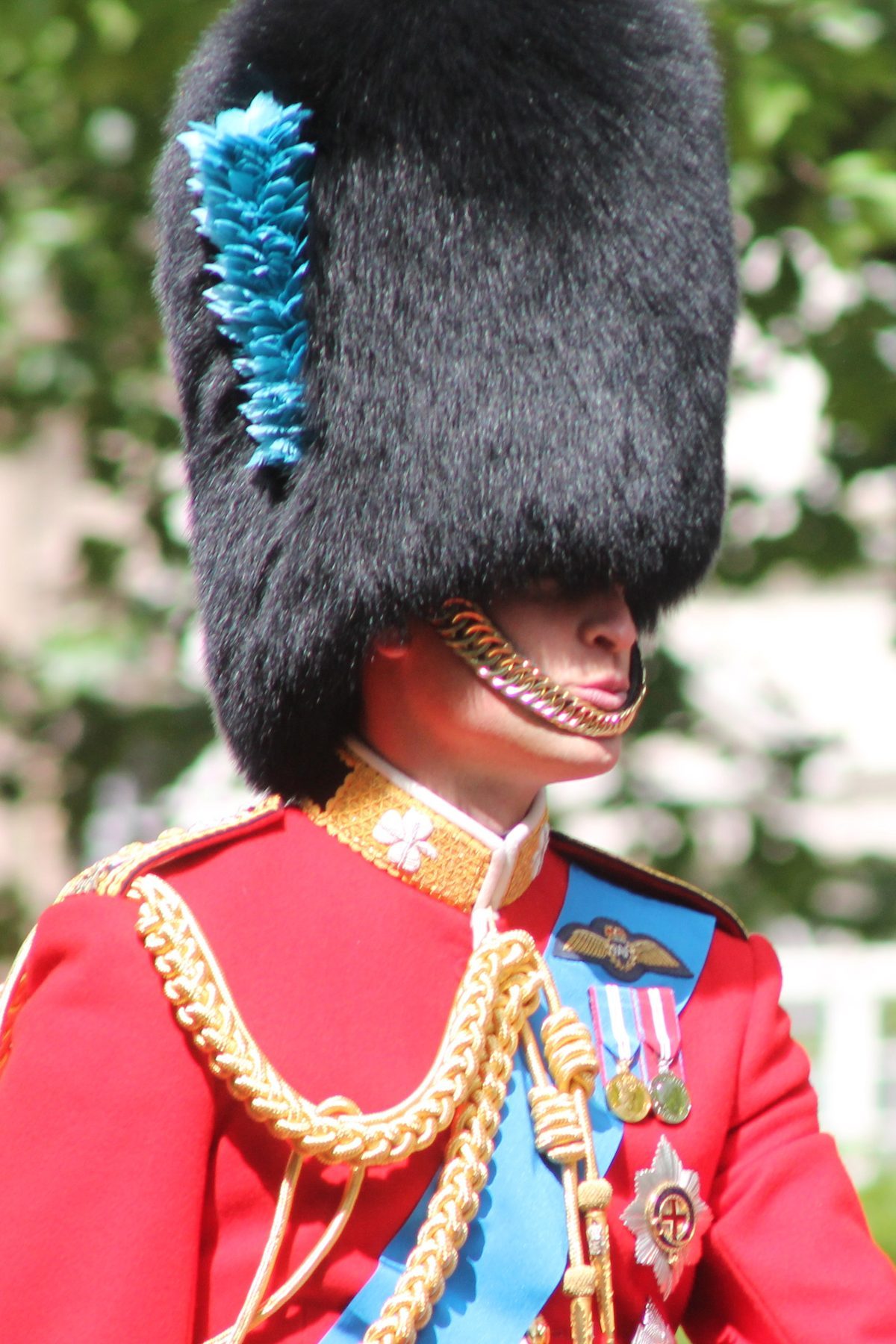
📷 Photo: Donald McKague. Public domain via Wikimedia Commons.