The Seeds of Empathy sown in a Young Princess
She was only thirteen years old, yet even then, the young Princess Elizabeth exhibited the seeds of empathy and understanding that would later define her reign. In the summer of 1939, as Europe trembled on the precipice of war, a youthful Elizabeth took it upon herself to write a letter, not out of duty but from her heart, to Prime Minister Neville Chamberlain. Little did she know that her heartfelt words would provide solace to a man weighted by the burdens of impending war. Chamberlain cherished this letter until his death, a testament to its impact.
This unassuming act provides a quaint glimpse into the early formation of a queen who would become synonymous with unwavering duty. From the plush interiors of Royal Lodge at Windsor, the young princess reached out with a raw and innocent perspective often lost on the adult world. It is an enduring story that highlights the human side of monarchy — where genuine emotions and connections supersede protocol and decorum.
A Princess Beyond Protocol
At 13, Elizabeth was merely beginning to understand the intricate world she was born into. The life of a young royal was full of grandeur, with lessons in history, languages, and art, and whispers of responsibility that she would one day shoulder. Yet amidst this rigorous grooming for a future none could predict, Elizabeth remained a child, keenly observant and naturally compassionate.
The royal household in 1939 was in a state of vigil; the winds of change and potential war were consuming the thoughts of world leaders and royalty alike. Despite the turmoil, Elizabeth's actions were untainted by fear or expectation. She wrote candidly to Chamberlain, an overture not dictated by advisors or palace aides but fueled by genuine curiosity and nascent empathy. This was not a missive from a monarch-to-be but a gentle reaching out from one human to another.
The Weight of the World on Chamberlain’s Shoulders
Neville Chamberlain, then Prime Minister, faced one of the most challenging periods in modern history. His strategy of appeasement had averted war for a short time but faced intense scrutiny as hostilities loomed ever closer. Politically and personally, Chamberlain trudged under the weight of difficult choices and judgments; leadership heavy with criticism and expectations.
It is in this between time of history and diplomacy that Elizabeth’s unexpected letter landed in Chamberlain’s possession. Perhaps it was the innocence of the prose or the sincerity of sentiment that led him to keep the letter, preserving it as a rare gift of kindness. It painted a scene much different than the official correspondence and hard policy sheets that filled his days.
The Royal Family's Quiet Strength in Turbulent Times
The British Royal Family, even before Elizabeth ascended to the throne, stood as a symbol of steadfastness in crises. King George VI, Elizabeth’s father, was himself a beacon of quiet strength, bearing the burden of kingship amidst the backdrop of the world's tumults. Behind him, the Queen Mother shone as the epitome of resilience and support.
Through the example of her parents and the embracing environment of the royal court, young Elizabeth absorbed values of unwavering duty and quiet compassion. The war, looming or declared, did not dim the spirit of this royal family who offered always a public face of calm assurance. It was from such an environment that Elizabeth’s compassion flowed naturally.
The letter was perhaps a small step but indicative of the spirit of unity and understanding that defined the royals and by extension, reassured a nation on the brink.
A Legacy of Compassion and an Unseen Heirloom
In Elizabeth's letter to Chamberlain, one can see the early markings of a lifelong legacy that she would carry forth onto the world stage. It was a simple act, yet filled with more depth and human connection than an entire treaty's worth of paragraphs. The unscripted wisdom of a child, unhampered by the intricacies of statecraft, provided warmth to a man who knew so little of it in those dire times.
Chamberlain passed away in 1940, yet it is known the letter remained a part of his cherished possessions. It wasn't the political or ceremonial correspondence that he held onto but this simple message from a young princess moved by a world in turmoil. It was a vivid illustration of how personal gestures remain at the heart of royal duty, and how empathy, however young or old, transcends circumstances.
This moment from 1939 resonates even today as an integral part of the traditions upheld by the modern royals. As we reflect upon these small, yet meaningful intersections of humanity amidst protocol, it becomes evident how they shaped the longstanding adoration and respect for the monarchy. Such moments, tender and profoundly human, are the true heirlooms that persist beyond the crowns and thrones.
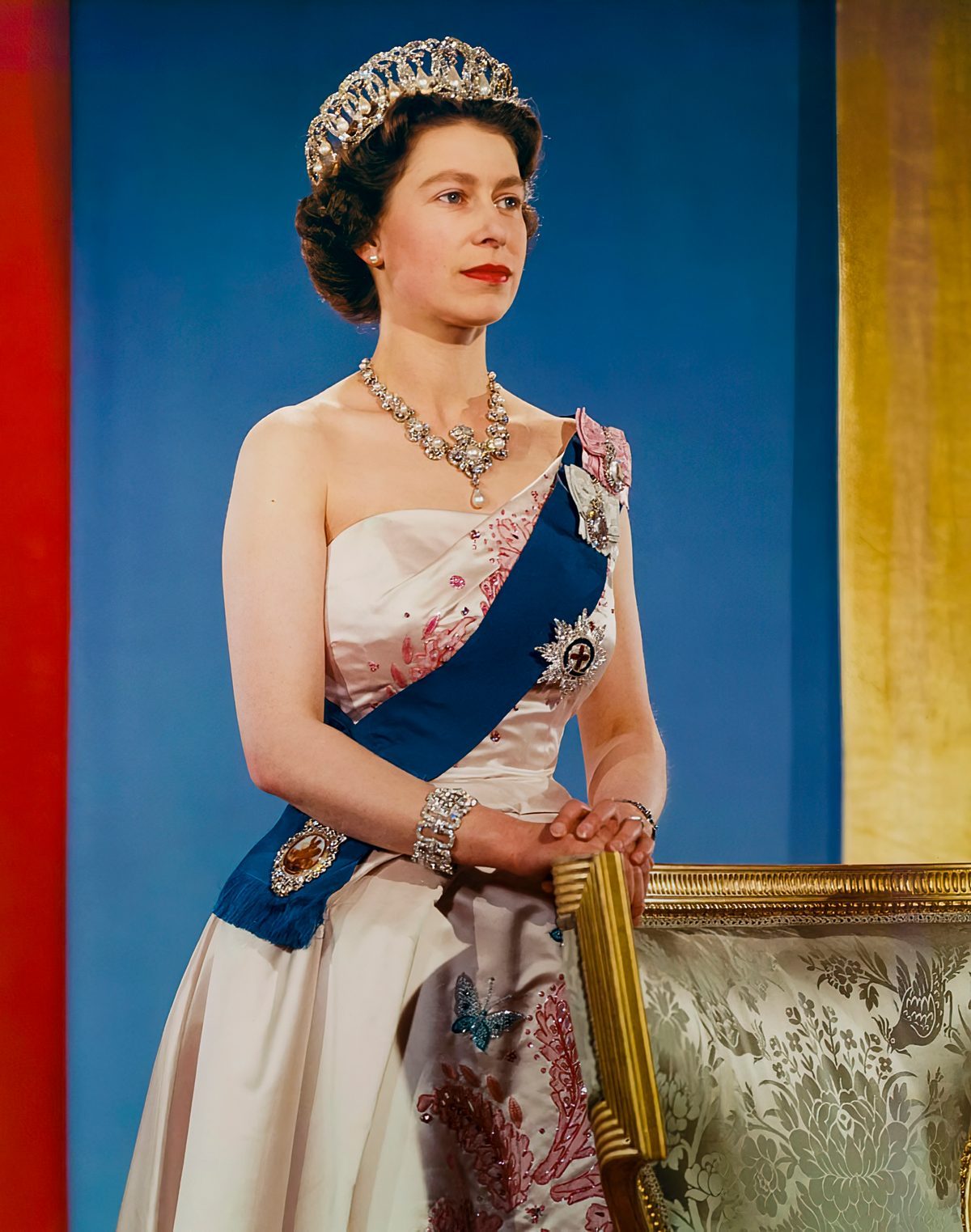
📷 Photo: Donald McKague. Public domain via Wikimedia Commons.