The Historic Meeting That Was Nearly a Century in the Making
For years, the mere thought of a British monarch visiting Ireland seemed improbable, if not impossible. The history between the two nations was fraught with tension and misunderstandings, shaped by years of colonial rule and the tumult of the Irish War of Independence. Yet, in a moment that caught the world by surprise, Queen Elizabeth II stepped onto Irish soil in May 2011. Her visit, the first by a reigning British monarch in 100 years, was more than symbolic; it was a profound gesture of reconciliation and a milestone in Anglo-Irish relations.
As Queen Elizabeth II landed in Dublin, the air was thick with anticipation. Would the visit be marked by protest or acceptance? Would it stir the ghosts of conflicts past, or lay the foundation for future peace? The world watched closely, but it was what happened at the Garden of Remembrance that etched this visit into the history books. The Queen, known for her steadfast composure, performed an act that reverberated with meaning: she bowed her head in tribute to Irish rebels who had once fought against British rule. Then she turned to Irish President Mary McAleese and offered her hand.
The Royal Gesture That Changed the Narrative
The handshake between Queen Elizabeth II and President Mary McAleese could have been a simple diplomatic formality, yet it resonated deeply. For many, this single gesture symbolized the potential for healing wounds and bridging divides. The Queen, a figure synonymous with stately decorum and tradition, demonstrated remarkable adaptability and empathy at a crucial moment.
In the context of royal protocol, this handshake was groundbreaking. Traditionally, royal interactions are tightly choreographed, every movement scrutinized and every gesture calculated. But in this instance, protocol served the greater purpose of unity, speaking volumes about the Queen's own ability to evolve with the times. Within the confines of royal history, her actions in Dublin suggested a new path forward—a modern monarchy with the capability to unify and heal.
The Human Story Behind the Royal Arrival
Understanding the significance of this visit requires delving into the human aspect of the royal experience. Queen Elizabeth II, now an enduring emblem of resilience, was no stranger to tumultuous times. Her reign had weathered wars, societal shifts, and personal challenges. Yet, through it all, she maintained her steadfast duty to represent not just her kingdom, but the Commonwealth as a force for good.
In the weeks leading up to the visit, speculation abounded. Would the Queen address contentious historical issues? How would she balance remembrance with reconciliation? True to her character, Queen Elizabeth took the time to learn about Ireland's history and engaged with its people directly. The visit encompassed not just ceremonial tasks but private moments of connection, underscoring her genuine interest in fostering enduring peace between the two nations.
A Century of History in a Single Act
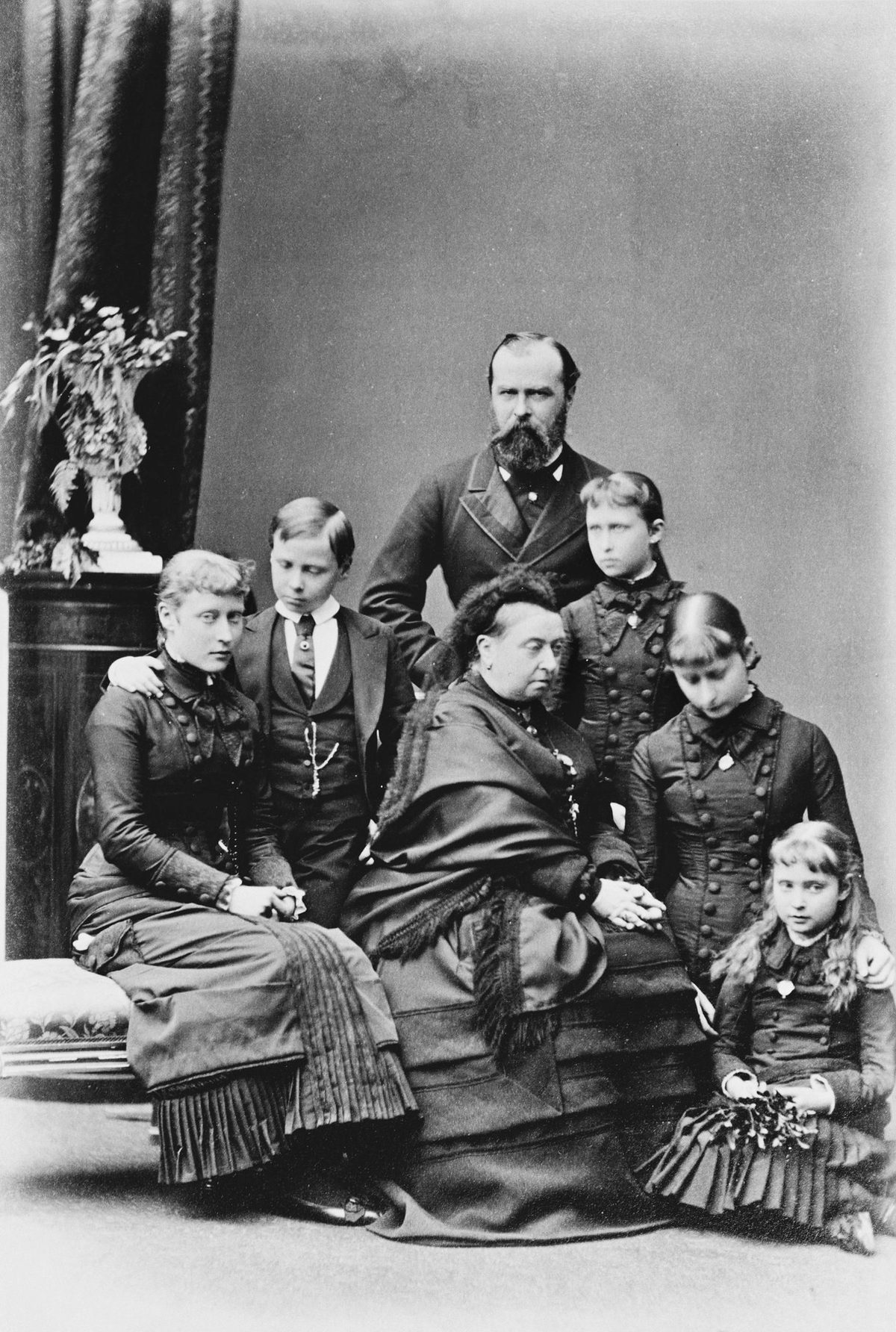
Queen Victoria was the last British monarch to officially visit Ireland in 1900, but much had changed in the intervening years. Ireland had transformed dramatically from a nation under British rule to an independent republic. This evolution was not without its struggles, as the path to self-governance was marked by bloodshed and resistance against colonialism.
Given this backdrop, Queen Elizabeth II's presence in Dublin served as a powerful reminder of how far both countries have traveled since those fraught times. Her act of laying a wreath at the Garden of Remembrance, a place that honors those who had fought for Irish independence, was a heartfelt acknowledgment of shared history and mutual respect. The Queen’s actions did not seek to erase history's pain but to honor it, valuing both sides of a complex narrative.
Epilogue: The Enduring Power of a Monarch’s Touch
The visit ended amid applause and a sigh of relief from both sides of the Irish Sea. Queen Elizabeth II’s handshake with President Mary McAleese was more than a diplomatic courtesy; it marked a turning point, an opportunity to step forward together into a more harmonious future. The strength of the monarchy lies not just in its lineage or tradition, but its capacity to adapt, empathize, and lead by example.
Today, as discussions about national identities and sovereignties continue worldwide, the Queen’s historic visit to Ireland serves as a testament to the enduring power of human connection. Her actions remind us that history is written not just in grandiose events, but in the quiet, powerful gestures that signal hope, understanding, and most importantly, a willingness to extend a hand across the divide.
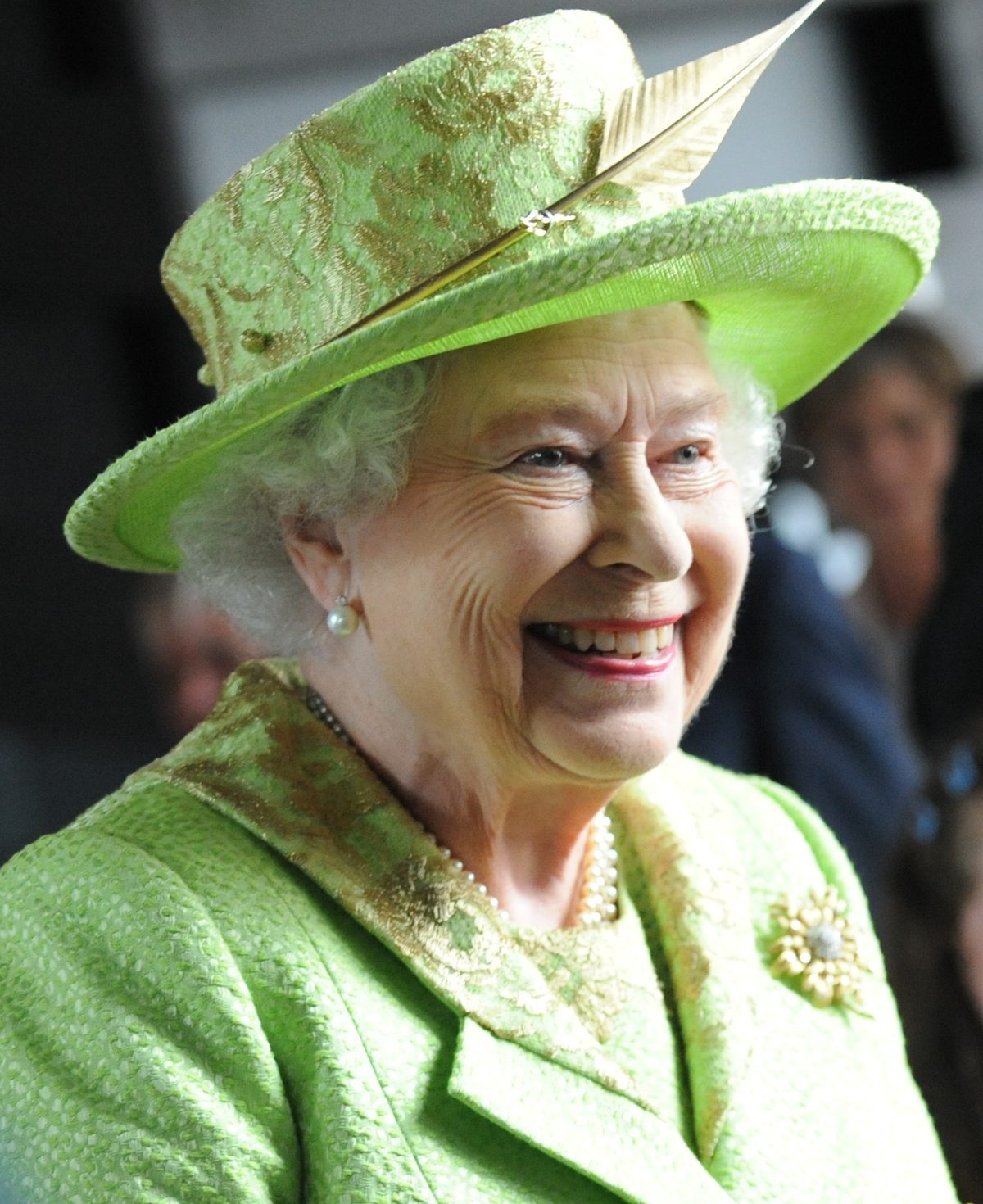
📷 Photo: Titanic Belfast. CC BY 2.0 via Wikimedia Commons.