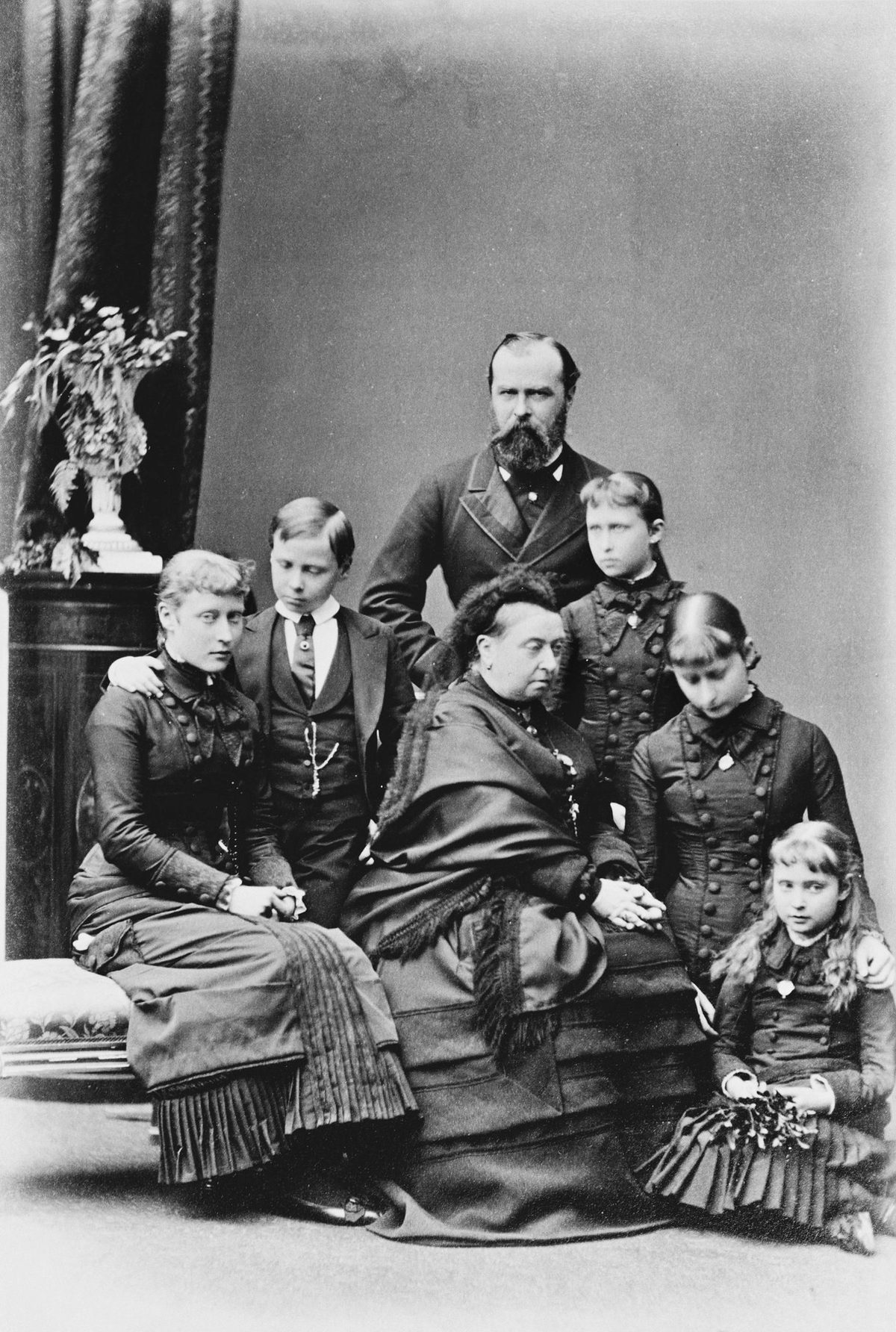
Queen Victoria's Secret Funeral Wish Defied Her Own Family
The Whispered Plans of a Monarch
For four decades, beneath the grandeur and relentless expectations of the Victorian era, Queen Victoria harbored a secret. It was a carefully guarded plan, penned down over 68 pages. Her family, used to her formidable presence and unyielding traditions, would come to learn of it only upon her departure. The Queen, who presided over the British Empire for 63 years, had meticulously planned her funeral with one singular, heartfelt demand: to be rejoined with her beloved Prince Albert in a manner clothed in personal significance rather than public pageantry. In a bold break from tradition, she specified a white coffin—eschewing the solemn black typically reserved for royal funerals. Her plans stirred shock, respect, and revealed the depth of her devotion long after her reign had ended.
An Eternal Love Stitched into Time
The love story between Queen Victoria and Prince Albert is one of the shimmering threads woven through the fabric of British history. Their marriage was not just a union of two royal houses, but a profound partnership that fueled a remarkable period of progress. When Prince Albert died in 1861, a mere 21 years into their marriage, Victoria was consumed by grief. The Queen famously wore black mourning attire for the rest of her life, a testament to a love that transcended mortality.
Victoria's funeral plans, however, marked a radical departure from this somber narrative. Her wish for a white coffin symbolized a desire for reunion rather than despair. It was to be a celebration of crossing into eternity with her beloved. Her instructions extended beyond the symbolic color of her burial, demanding that Prince Albert’s dressing gown—a garment he was accustomed to wearing during their quiet evenings together—be placed beside her in the coffin, a timeless token of their shared life.
Her Family's Awakening
The revelation of Victoria's 68-page funeral instructions was a shock to her family, who were accustomed to the Queen's exacting ways but had perhaps underestimated the extent of her private preparations. At a time when royal funerals were expected to be opulent public events, meticulously orchestrated to underscore the continuity and unrivaled elegance of the monarchy, Victoria's approach was startlingly intimate.
The Victorian court was studded with custom and ceremony. Yet here, amidst the expected protocols, Victoria introduced an unexpected counterpoint. Her plans were deeply personal and infused with sentimentality—a realm where the public queen had seldom ventured. It was as if she had crafted a final chapter of her life, hidden beneath the layers of a public reign, revealing only at its end the depth of her humanity—layered with grief, love, and hope for a reunion beyond this world.
Tradition vs. Personal Desires
Queen Victoria's insistence on a white funeral defied the royal conventions of the time. The truth was that Victorian funerals, especially for the royal family, were steeped in rigidly-held traditions designed to project continuity and dignity. Public mourning was an essential aspect of royal death, meant to bind a nation in a shared expression of loss— an echo of the Queen's own perpetual mourning of Albert.
However, Victoria's funeral plans were not without precedent in a broader historical context. The diminutive yet formidable monarch drew inspiration from multiple cultural touchpoints: the English emphasis on “angels in white” to denote purity and the deeper symbolism of white in Victorian mourning culture, which sometimes represented the purity of the soul’s departure to the eternal realm.
Perhaps unbeknownst to many, Queen Victoria's funeral request carried a weight that was not purely emotional but rather a historical challenge—a challenge against the somber constraints of her epoch's traditions. It was a highly personal vision, delicately stitched from her decades of ruling and mourning, embodying a reconciliation between her public duties and private passions.
Legacy, Memory, and the Present
Victoria's funeral directions did not merely serve as a reunion with her beloved Albert; they served as an enduring reminder of the love that fueled her reign and the woman hidden behind the monarch. As her family navigated the Queen's final instructions, they were reminded not only of her widow’s heart but of the complexities hidden in her rulership—it all underscored an enduring, human legacy that endures today.
Today, as admirers of the monarchy draw upon the past, Queen Victoria's poignant plans offer a unique lens through which to view royal history. Her bold move to prioritize personal joy over tradition in her final wishes resonates with a modern monarchic narrative that balances inherited duty with personal conviction. It reminds us that behind the regal façade, the narratives of love, longing, and personal identity intertwine with the gilded cogs of history.
Standing as a testament to eternal love, Queen Victoria's secret funeral wishes transformed a seminal moment of her era into a powerful, lasting testament of personal autonomy—capturing the hearts of those who continue to cherish the stately legacy of the British monarchy.
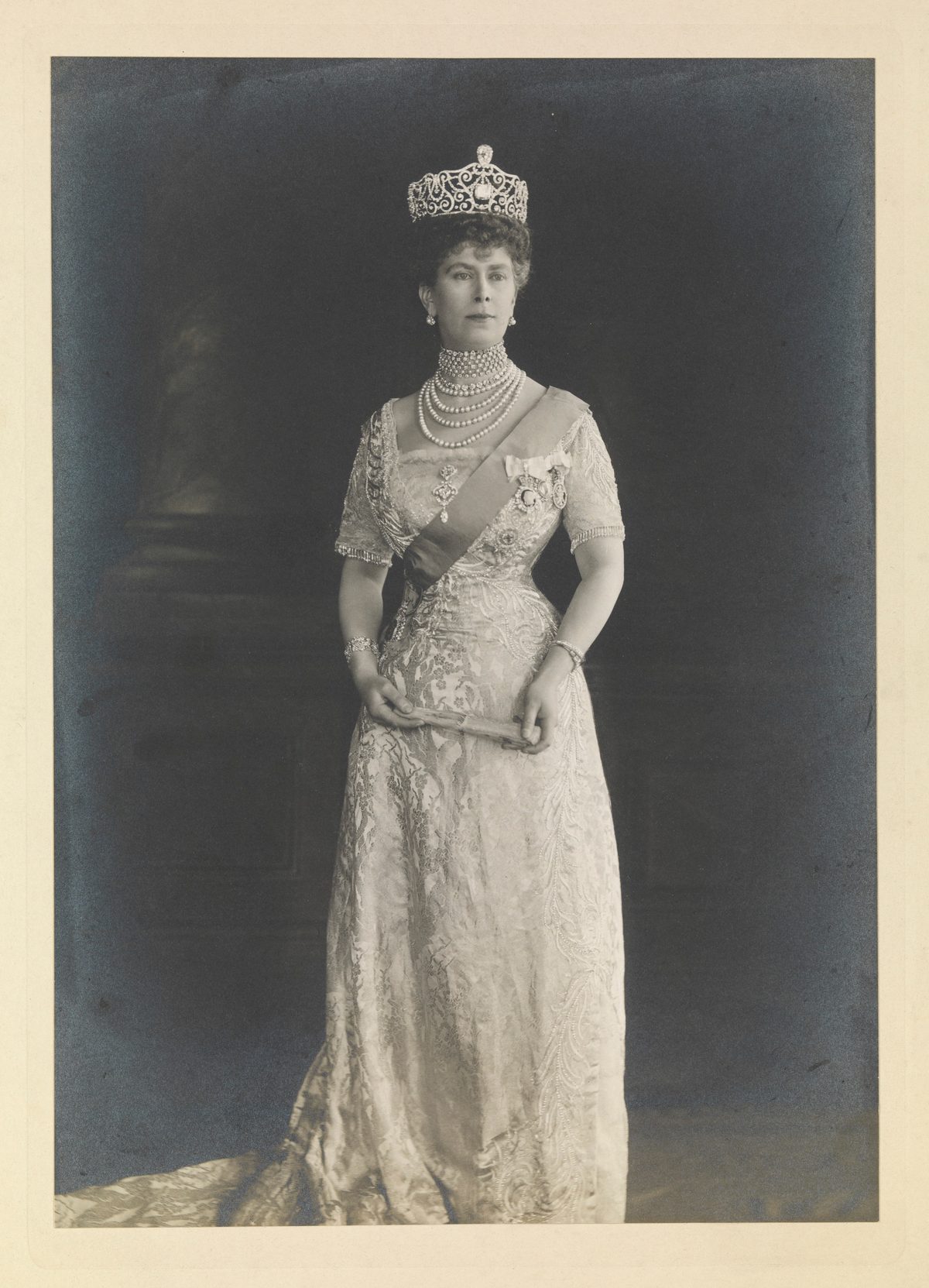
📷 Photo: William & Daniel Downey. Public domain via Wikimedia Commons.