In the Shadow of Duty: A King's Final Decision
In the twilight days of September 1951, the opulent halls of Buckingham Palace witnessed an intimate scene that would mark the beginning of the end for King George VI. Handed a consent form for risky lung surgery, the ailing monarch faced more than just a medical decision; it was a moment that revealed his quintessentially royal character. Facing the gravity of his situation, he picked up his pen with the quiet resolve that defined his reign. The formidable responsibility of kingship colored his every action, even as he pondered the very real possibility that he might not survive the procedure. If he couldn't deliver the upcoming speech for the State Opening of Parliament, who would step into his shoes? Duty, once again, steered his choices. This small yet momentous act was emblematic of a life ruled by service and sacrifice.
A Steadfast Monarch Amid Uncertain Times
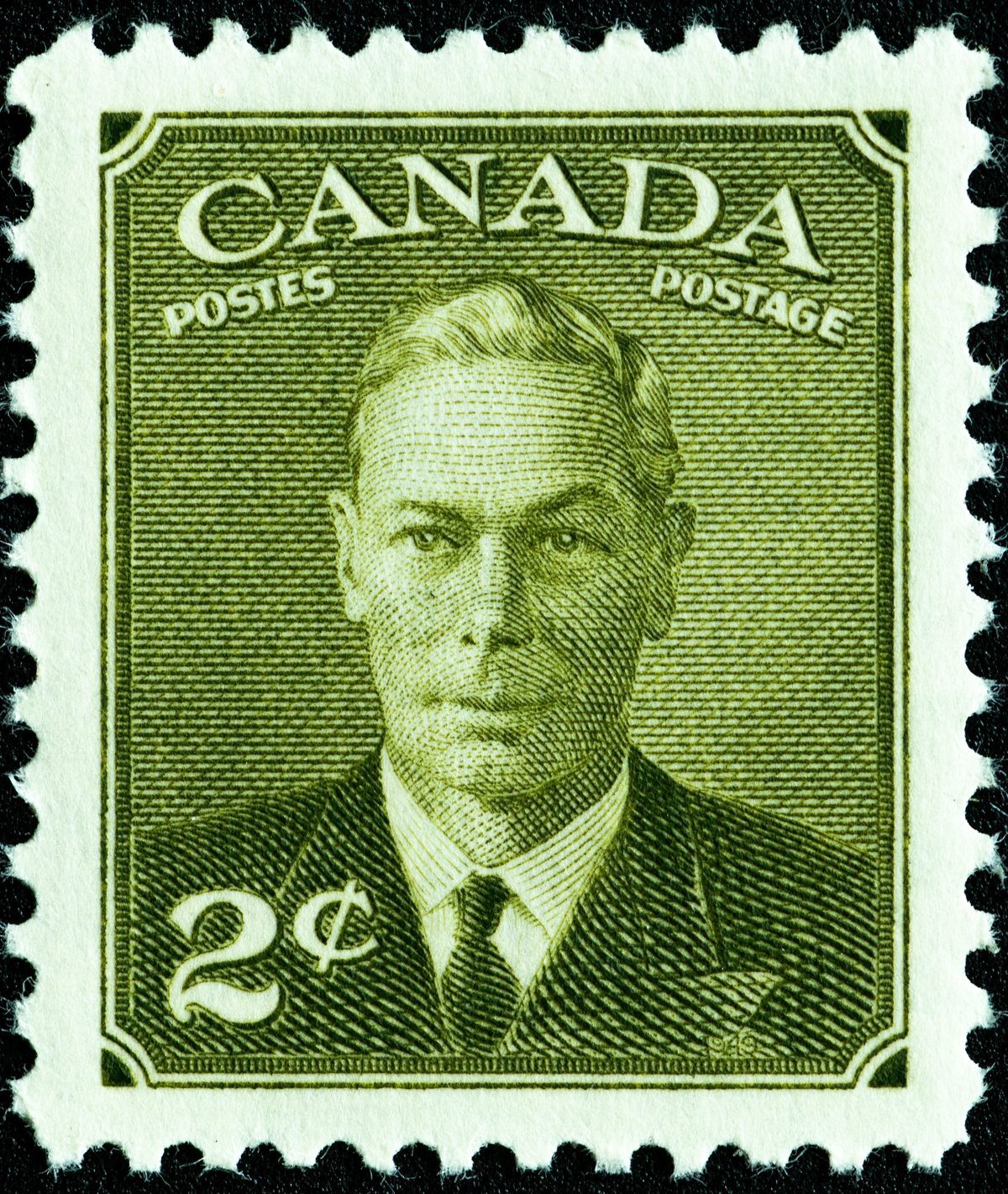
The diminutive yet dignified King George VI, born Albert Frederick Arthur George, ascended to the throne under extraordinary circumstances in 1936, following the abdication of his brother, Edward VIII. Leading through the turbulence of World War II, George VI embodied the steely resolve and quiet strength of the British spirit. As the nation’s beacon during those dark times, he was no stranger to resilience in the face of adversity. Yet, by 1951, the King's health was precariously perched, weakened by a myriad of ailments exacerbated by years of intense smoking.
In Dr. Harington's clinic, the King received a stark diagnosis: lung cancer, untreatable by current medical standards. Surgeons advised that a risky operation to remove the affected lung was his best chance at extending his life. The gravity of this choice wasn’t lost on the King, yet he approached it with the same gravity and dedication as he had every royal duty.
A Surgery Clouded by Portents
On the morning of September 23rd, the King underwent the delicate surgery at a time when the medical field was still in its embryonic stages of dealing with such complex issues. Nurses and surgeons moved with purpose in the makeshift operating theatre prepared within the royal residence. The risk was significant; surgery on the royal was akin to wagering the stability of a nation. Dr. Price Thomas, a leading thoracic surgeon, spearheaded the operation, aware of its profound implications not only for his patient's life but for the Commonwealth as a whole.
Despite the operative success in removing the lung tissue, George VI was noticeably weakened in the aftermath. Nevertheless, the King's questions to his physicians and advisors never wavered from the core of his concern: the continuity of his regal duties. Even as his health faltered, the resulting decisions centered around trust, legacy, and ensuring his responsibilities as a ruler were fulfilled.
The Royal Family Rallies
Within the private enclave of the royal family, the aftermath of the surgery prompted introspection and unity. Queen Elizabeth, later the Queen Mother, remained a pillar of unwavering support and compassion. Princess Elizabeth, too, took on a more pronounced role, reflecting the gradual preparations for her future reign. At George VI’s side, it was a family driven by commitment to each other and the empire.
During this time, the King's dependence on his family grew — a family rooted in tradition yet adaptable to the needs of their beloved patriarch. This period marked not just a transition in leadership but also a profound testament to the enduring bonds that sustained the monarchy's public and private personas.
A Legacy Compared with Today
Ultimately, the King’s health did not recover. On February 6, 1952, he passed away at Sandringham House, marking the end of an era characterized by fortitude and humility. Yet, four months prior, with trembling hands, King George VI signed more than just a consent form; he signed his own death warrant, guided once again by the crown's unyielding call to duty.
The story of King George VI is one not only of royal pomp and circumstance but of the profound human experience masked beneath the regal trappings. His actions radiated the same values that continue to resonate within the monarchy today, highlighting the delicate balance of duty, sacrifice, and humanity that define the royal legacy.
As we look upon our modern monarchy, the echoes of his reign are felt in the resilience and service that characterize the Windsors. Through triumphs and tribulations, the tradition of quiet, steadfast commitment to the nation remains vibrant, carefully stewarded by those who bear the mantle of royalty, just as George VI did with such commendable grace.
📷 Photo: Hayden Soloviev. CC BY 4.0 via Wikimedia Commons.